
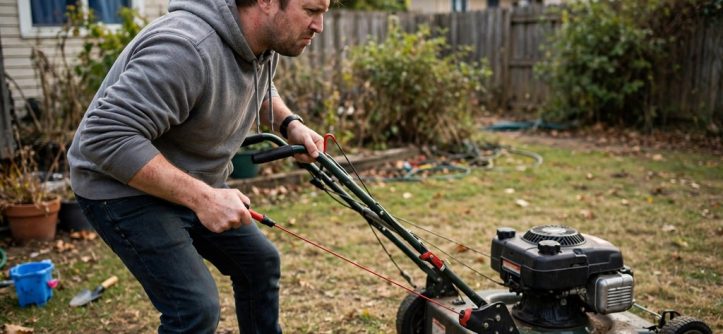
When a lawn mower won’t start, stale fuel, restricted air, or weak spark usually blocks combustion. Therefore, start with cheap and simple checks before you suspect deeper mechanical damage. This logical order restores many mowers quickly and prevents unnecessary part swaps.
First, listen closely and notice exactly what the engine does during each starting attempt. For example, coughing and sputtering usually point toward fuel delivery or carburetor trouble. Meanwhile, total silence often points toward a safety interlock, starter, or ignition fault. Broader lawn mower repair and maintenance habits also keep every system ready for reliable starts.
Lawn Mower Start Checks Begin With Safety
Always work outdoors or in a ventilated space away from sparks and flames. Also, let the engine cool completely before you touch fuel lines or fittings. Then disconnect the spark plug wire before inspecting anything under the deck.
Next, confirm the tank actually holds fuel and check the oil dipstick. Surprisingly, an empty tank or low oil level stops many engines outright. Also open the fuel valve if your mower uses a manual shutoff valve.
Also, pull the recoil cord slowly and note any sudden hard resistance. A jammed blade, packed grass, or internal damage can lock the crankshaft. Therefore, clear deck debris only after disconnecting the spark plug wire.
- Fuel level: Check the tank before you assume an internal fault.
- Oil level: Top up oil only to the dipstick range your manual specifies.
- Spark plug wire: Push the boot firmly onto the plug terminal.
- Fuel cap vent: Loosen the cap briefly and listen for rushing air.
Check Fuel First in Every Lawn Mower Start Test
Gasoline starts losing volatility quickly, especially during storage without stabilizer. Then stale fuel forms varnish and gum inside tiny carburetor jets and passages. Consequently, the engine receives too little fuel or receives contaminated fuel instead.
First, smell the fuel and note any sour or varnish-like odor. Next, drain questionable fuel into an approved container and refill the tank fresh. Finally, dispose of old fuel through local household hazardous waste channels.
Then trace fuel flow from the tank through the line and filter. Cracked lines leak fuel, while clogged filters starve the carburetor during starting. Also inspect the primer bulb and replace any bulb showing cracks.
Ethanol blends also absorb moisture and sometimes separate during long storage periods. Then water settles low and reaches the carburetor before usable gasoline. Therefore, fresh fuel and stabilizer prevent most repeat storage-related starting failures. Most lawn mower won’t start cases trace back to fuel, spark, or air.
Test Spark When Your Lawn Mower Will Not Start
Inspect the Spark Plug Without Guessing
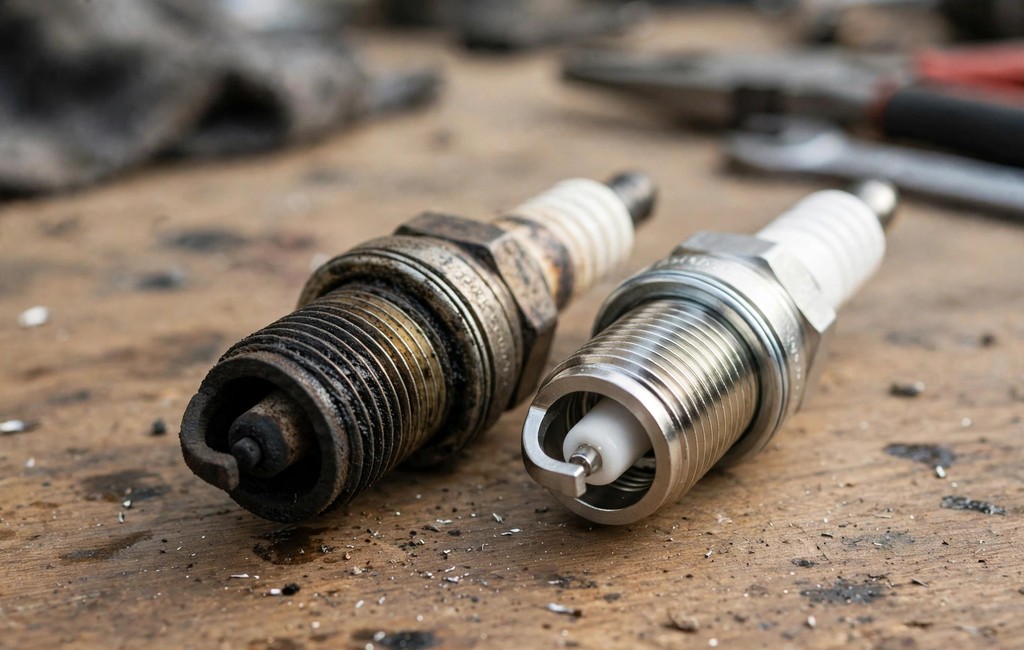
First, pull the plug boot free and remove the plug carefully. A healthy plug shows light tan or gray coloring around its electrode. However, black soot, oil fouling, or fuel wetness signals a starting problem.
Next, confirm the plug gap against the typical range in your manual. Then follow the guide to check or replace the spark plug before condemning the coil. Still, test spark safely with an inline tester if the plug looks sound.
Clean or Replace the Air Filter
First, remove the filter cover and lift the paper or foam element out. A clogged filter chokes airflow and creates an overly rich fuel mixture. Therefore, tap loose dust gently or replace a torn or oil-soaked element.
Meanwhile, wash foam elements only when your manual explicitly allows washing. Also, never run the engine without its filter during diagnostic testing. Finally, seat the cover fully because gaps admit dirt into the intake.
Also, inspect the intake area for grass, nests, or other obvious blockages. Rodents sometimes pack debris around filters during storage in sheds and garages. Therefore, clear every blockage and replace any filter housing showing damage. A methodical lawn mower won’t start check beats random part swapping every time.
Consider the Carburetor in Your Lawn Mower Start Diagnosis
The carburetor mixes fuel and air before the mixture enters the cylinder. However, stale fuel deposits often block its smallest jets first. Thus, fresh fuel alone cannot always clear established varnish inside passages.
A mower firing briefly then dying strongly suggests restricted fuel delivery. Next, use the guide to clean the carburetor step by step after confirming fuel flow. Still, avoid forcing wires through jets because soft brass damages easily.
Also check the float bowl area for leaks, corrosion, or trapped sediment. A sticking float or needle can flood the engine or block incoming fuel. However, manuals vary by model, so follow your model-specific disassembly sequence. Keep notes during a lawn mower won’t start diagnosis so each test teaches you something.
Check Safety Interlocks in the Lawn Mower Start Circuit
Modern mowers ground the ignition when operators release the bail lever. Therefore, hold the bail lever firmly against the handle during starting attempts. Also inspect its cable for stretching, rust, or loose mounting hardware.
For riding mowers, sit fully and disengage the blades before turning the key. Then set the parking brake because interlocks monitor brake and seat switches. Meanwhile, walk-behind models may also require correct choke or primer operation.
First, move the choke lever and watch its linkage travel fully. A stuck choke floods the engine or starves it during cold starts. Finally, wait several minutes after flooding before you try starting again.
For electric-start models, charge the battery and clean its terminal connections. Then inspect fuses and listen for a single click during starting attempts. Still, a silent starter often signals a switch, battery, or interlock fault. Seasonal storage causes more lawn mower won’t start trouble than any mechanical failure.
Recognize When the Fault Runs Deeper
Persistent silence after basic checks points toward ignition coil or starter faults. Meanwhile, a sheared flywheel key disrupts timing after the blade strikes debris. Also, low compression prevents ignition even when fuel and spark seem adequate.
Therefore, stop replacing parts randomly once fuel, spark, and air pass inspection. Instead, test each deeper system or book a qualified small-engine technician. This approach protects the engine and controls your total repair cost.
Use the Full Lawn Mower Start Diagnostic Order
First, confirm safety controls, fuel level, oil level, and plug wire seating. Next, replace stale fuel, inspect the plug, and clean the filter. Then examine fuel flow, carburetor deposits, interlocks, choke, and starting controls.
Finally, test ignition, timing, and compression only after those checks pass. This sequence prevents wasted effort because each result narrows the next test. Also, retest starting after each fix instead of changing several parts together.
Frequently Asked Questions
Why does my lawn mower crank but not start?
Usually, stale fuel, a fouled plug, or a clogged filter blocks combustion.
What is the first thing to check when a mower will not start?
First, check fuel freshness, fuel level, oil level, and bail lever position.
How long does gasoline stay fresh in a lawn mower?
Typically, untreated gasoline starts degrading within about thirty days during storage.
Can a dirty air filter stop a mower from starting?
Indeed, a severely clogged filter chokes airflow and makes the mixture too rich.
Why does my mower start then die immediately?
Often, carburetor deposits or restricted fuel flow starve the engine after starting.
Conclusion
In short, diagnose fuel, spark, air, and safety controls in that order. Then fix one confirmed fault at a time and retest the engine immediately. Start your checklist today and restore reliable starting before the grass grows longer.
Also, drain stale fuel, clean the filter, and inspect the plug first. These quick wins solve many no-start problems without special tools or guesswork. Finally, keep the manual nearby and follow its model-specific starting procedure closely. If your lawn mower won’t start after these checks, the fault likely sits inside the engine.


Leave a Reply