
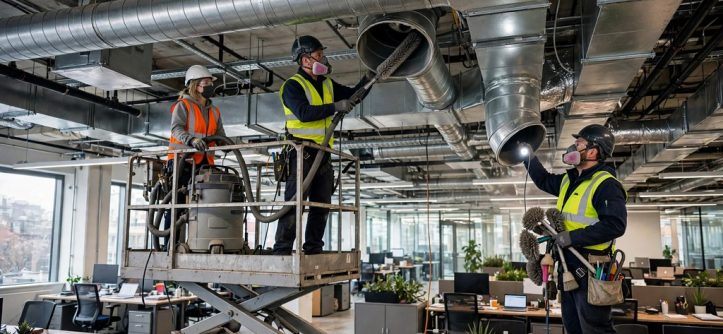
The complaint usually starts small. One tenant mentions a stale smell on the third floor. Another says the conference room feels stuffy. Then a ceiling diffuser drops a puff of gray dust onto a presentation. Suddenly the facility manager has a ventilation problem, a tenant relations problem, and a budget meeting to prepare for.
Commercial duct cleaning is not just residential work at a larger scale. Systems are bigger and more varied, buildings stay occupied, and documentation matters. Here’s what building owners and facility managers should understand before they request bids, so the project goes smoothly and delivers value.
How is commercial duct cleaning different from residential?
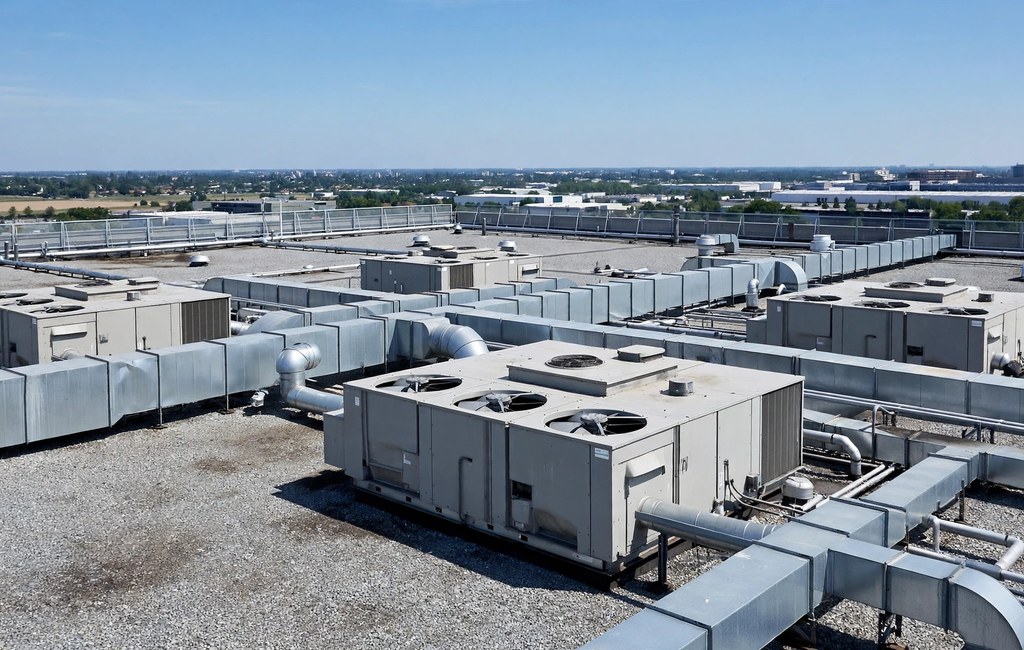
The scale is the obvious difference, but the more important ones are complexity and constraints. Commercial buildings may combine rooftop units, large air handlers, variable air volume boxes, long trunk lines, and ceiling plenums, often with fiberglass-lined ductwork. Work must be scheduled around business hours, tenants, and in some cases regulatory requirements. Contractors also need to produce records, not just clean ducts, because owners may need proof for tenants, lenders, or inspectors.
When does a commercial building actually need duct cleaning?
Most buildings shouldn’t clean on autopilot. These situations justify it:
- After construction or a major tenant build-out, when drywall and sawdust have reached the system.
- Following water intrusion, a roof leak, or a flood.
- When occupants report persistent odors, dust, or air quality complaints and filters and equipment have been ruled out.
- Visible contamination or mold in ducts, coils, or air handlers.
- Pest activity in ducts or plenums.
- Tenant turnover or change of use, such as converting an office to a lab or clinic.
- Facilities such as healthcare, food service, or schools, where indoor air standards and documentation carry extra weight.
What should the scope of work include?
A clear scope prevents arguments later. A thorough commercial scope typically defines:
- Which air handling units, rooftop units, and zones are covered.
- Supply, return, and exhaust ducts, plus plenums and diffusers.
- Terminal units such as VAV boxes, and whether coils and blower assemblies are included.
- The method for cleaning, which should involve source removal with negative air pressure and HEPA-filtered equipment, not just blowing air through the system.
- How porous liner and insulation will be assessed, since moisture-damaged or deteriorated material may need replacement instead of cleaning.
- Access panel installation and sealing.
- Post-cleaning verification and the form of the final report.
Is kitchen exhaust cleaning the same thing?
No, and this confusion trips up many managers. Commercial kitchen exhaust systems collect grease and are governed by fire code standards, including NFPA 96, with their own cleaning schedules and qualified contractors. A duct cleaning company serving your offices may not provide it. If your building includes restaurants or food service tenants, confirm who handles exhaust cleaning and make sure it’s documented separately.
How do you schedule work in an occupied building?
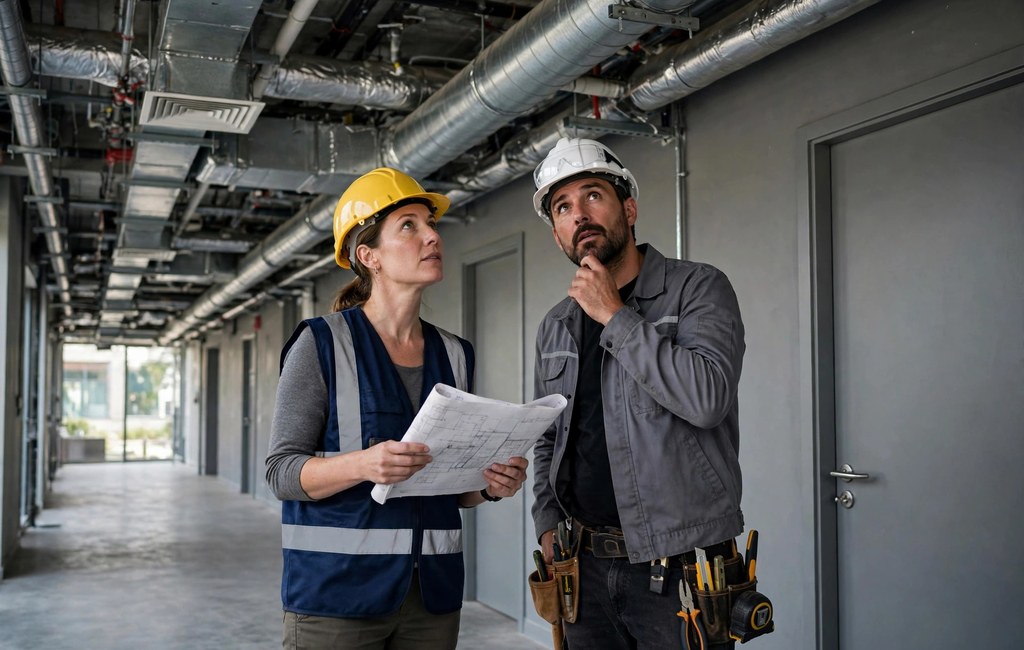
Plan around the people, not just the equipment. After-hours or weekend work is common, and phased schedules let you clean one zone at a time without shutting everything down. Notify tenants in advance with clear dates, expected noise, and any areas that need to be cleared. Ask the contractor how they control dust and odors in occupied spaces, how they protect ceilings and furnishings, and who is on call if an issue arises overnight.
How do you verify the work was done well?
Verification is where weak contractors tend to disappoint. Ask for before-and-after photos with location labels, and request a written report that matches work performed to the scope. Industry standards for assessing and cleaning HVAC systems include post-cleaning verification methods, such as visual inspection and a vacuum test on cleaned surfaces. Agree on the method before work starts, and who pays for re-cleaning if surfaces fail. Keep reports on file, because they support tenant communications and future maintenance planning.
What should you include in a bid request?
- Building type, square footage, and the number and type of air handling units.
- Duct construction details, including any internally lined sections.
- The reason for cleaning and any known problems, such as water damage or odor complaints.
- Access conditions, including ceiling types, rooftop access, and tenant restrictions.
- Schedule constraints and preferred working hours.
- Required insurance, certifications, and references from similar buildings.
- Reporting and verification requirements.
Comparing bids on the same scope is the only way to compare them honestly. Be wary of a bid that’s far lower than the rest, since reduced scope or rushed methods are common causes.
What are the red flags?
- A price quoted without a site walk-through.
- No negative air equipment or HEPA filtration.
- A refusal to provide references or proof of insurance.
- No plan for occupied-space protection.
- Claims that cleaning alone will resolve all air quality complaints, without checking filtration, ventilation rates, or moisture.
Frequently asked questions about commercial duct cleaning
How often should a commercial building clean its ducts?
There’s no single schedule. The right interval depends on building use, filtration, and condition. Many managers inspect periodically and clean when findings or events call for it.
Will cleaning disrupt my tenants?
It doesn’t have to. After-hours work, zoning, and clear tenant notices keep disruption low. Ask the contractor for a written plan.
Can cleaning fix indoor air quality complaints?
Sometimes, if contamination is the cause. Complaints can also come from ventilation rates, humidity, filtration, or building materials, so a good provider investigates before recommending work.
Do I need separate contractors for kitchen exhaust?
Usually yes. Commercial kitchen exhaust follows fire-safety rules and requires a contractor qualified for that work.
Planning a commercial duct cleaning project?
We’ll walk your building, review your systems, and provide a detailed, written scope with a schedule that works around your tenants. Contact our commercial team today to request a site assessment and a clear, comparable proposal.



Leave a Reply