
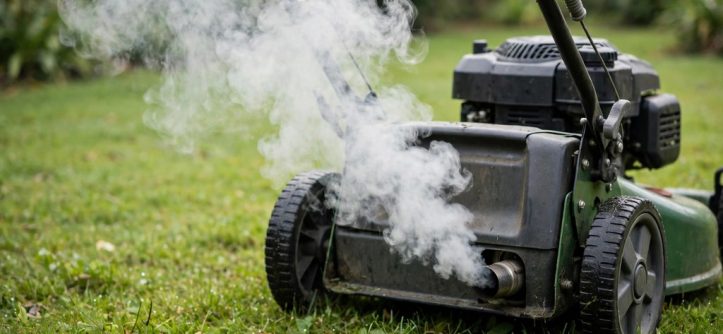
Lawn mower smoking causes reveal themselves through smoke color, which points straight to the fault inside the engine. White or blue smoke usually signals oil burning inside the combustion chamber. Instead, black smoke points toward excess fuel and badly restricted airflow.
First, notice whether the smoke clears quickly or continues without stopping. Brief startup smoke often burns away cleanly within a few minutes. However, continuous smoke warns you to stop and investigate the cause.
For example, tipping, overfilling, and worn internal parts push oil into combustion chambers. Meanwhile, a clogged air filter starves the engine of incoming air. This guide matches each smoke color to its cause and fix. Then you can act early and prevent small faults from becoming major damage.
Read the Smoking Color Clues on Your Lawn Mower
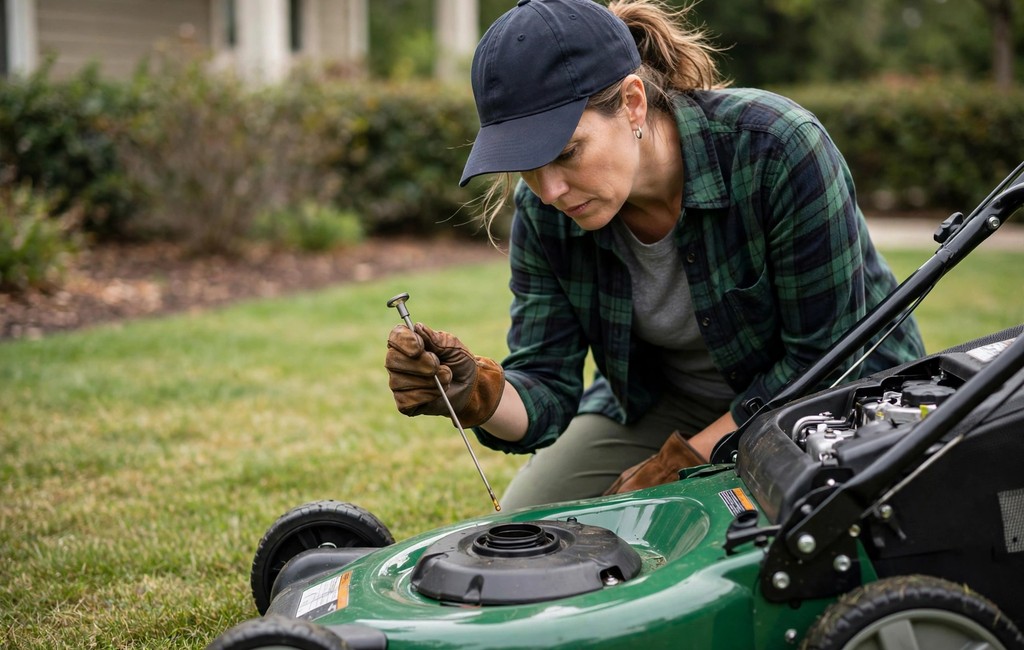
First, watch the exhaust closely outdoors in good, clear daylight. White and blue smoke often look very similar at first glance. Also, note the smell, timing, duration, and engine sound carefully.
Meanwhile, record exactly when the smoke starts during each mowing session. Smoke after tipping tells a different story from smoke under heavy load. In addition, a falling oil level between cuts strongly suggests internal oil burning.
White or Blue Smoke Means Burning Oil
Pale smoke appears whenever oil enters the hot combustion chamber directly. Then the engine burns that oil alongside fuel during normal running. Typically, a sharp and oily smell accompanies this pale exhaust smoke.
Black Smoke Means Too Much Fuel
Black smoke forms whenever fuel overwhelms the available air supply completely. The engine then leaves unburned carbon particles inside the exhaust stream. For example, one dirty filter often triggers this rich fuel mixture.
Why White or Blue Smoking Starts on a Lawn Mower
Tipping the mower sideways sends oil quickly toward the cylinder opening. Oil then slips past the piston rings into the combustion chamber. Next, startup burns that trapped oil and releases thick pale smoke.
Overfilled oil creates another common path toward unwanted mower smoke. Excess oil splashes upward and enters the engine breather system directly. From there, oil reaches the intake and then the combustion chamber.
Also, spilled oil on a hot muffler smokes almost immediately after startup. That surface smoke usually fades after the residue burns away completely. However, worn rings inside older engines create a lasting internal path.
Similarly, mowing across steep slopes can push oil toward one side of the crankcase. Oil then reaches places that normally stay dry during flatter mowing work. Also, small external leaks can drip oil directly onto hot exhaust parts.
- Tipping toward the filter: Oil soaks the filter and enters the intake quickly.
- Overfilling the crankcase: Excess oil builds internal pressure and escapes upward.
- Worn piston rings: Small gaps let oil pass the piston during running.
- Oil on the muffler: Spilled oil burns directly off the hot metal surface.
How to Fix White or Blue Lawn Mower Smoking
Start with basic lawn mower repair and maintenance checks before replacing any parts. First, park the mower outside on a firm and level surface. Then read the oil level carefully using the dipstick markings.
If oil sits above the full mark, drain the excess carefully. Next, wipe spilled oil from the muffler and engine housing. Also, inspect the air filter closely for dark oil soaking.
Afterward, run the mower briefly outdoors and watch the exhaust closely. Trapped oil often clears from the cylinder within several minutes. However, persistent smoke still suggests worn rings or deeper internal wear.
If the filter holds oil, replace it rather than washing it out. A soaked filter restricts airflow and can create black smoke too. Finally, book professional service when smoke returns despite correct oil levels. Most lawn mower smoking causes sit in the oil, fuel, or airflow systems.
Why Black Lawn Mower Smoking Starts and How to Fix It
A clogged air filter restricts fresh airflow into the carburetor throat. The carburetor then mixes too much fuel with too little air. As a result, the engine runs rich and produces black smoke.
First, remove the filter cover and inspect the filter element closely. Tap loose dirt away gently or replace a badly clogged filter. Also, check whether the choke plate opens fully during normal running.
If black smoke continues, the carburetor itself may need thorough cleaning. Follow a careful step guide to clean the carburetor before adjusting anything. Still, treat deeper fuel faults as a separate, focused repair job.
Meanwhile, a stuck choke keeps the mixture rich after the engine warms. Too much priming can also flood the carburetor with excess fuel briefly. Therefore, release the primer and let excess fuel evaporate before restarting. Simple observation narrows lawn mower smoking causes before you remove any part.
Brief Startup Smoke Versus Continuous Smoke
When Brief Smoke Usually Clears
A brief puff at startup often follows recent tipping or servicing work. For example, trapped oil inside the cylinder burns away during warmup. Then the exhaust should clear fully within a few short minutes.
When Continuous Smoke Needs Attention
Continuous smoke signals an active fault that needs attention. You should stop the engine rather than continue mowing through smoke. Also watch closely for power loss, sputtering, or rough engine running.
Smoke combined with stalling points toward a broader engine fault pattern. Read about a mower that dies while running for its matching symptoms. Then compare those listed causes carefully before you restart the mower.
Safety Checks Before Investigating Lawn Mower Smoking
Safety comes first whenever smoke continues well beyond normal startup. Always stop the engine and let it cool before investigating continuous smoke. Then disconnect the spark plug wire before touching engine parts.
- Level surface checks: Always check the oil level on a level surface.
- Correct tipping direction: Tip the mower only with the air filter side up.
- Ignition source control: Keep fuel and oil away from all ignition sources.
- Manual first guidance: Manuals vary by model, so confirm specifications there first.
Manufacturers build different engines with different parts and service steps. Therefore, confirm typical capacities and procedures inside your model manual. Specifically, follow the dipstick markings designed for your exact engine.
Hot mufflers and cylinder heads can burn skin long after shutdown. Therefore, wear gloves and keep loose clothing away from the engine. Also, keep children and pets well away from your work area. Seasonal neglect explains many lawn mower smoking causes that owners discover in spring.
Match the Fix to Lawn Mower Smoking Causes
Overall, pale smoke asks you to trace oil movement first. You should check tipping history, oil level, and filter condition together. In contrast, black smoke asks you to restore clean airflow first.
Then retest the mower briefly on a flat and open area. Write down whether the smoke clears, fades, or stays fully constant. Finally, use that simple record during any later service visit. Documenting lawn mower smoking causes helps you spot patterns across seasons.
Frequently Asked Questions
Why does my lawn mower smoke white after tipping it?
Tipping moves oil into the cylinder and muffler, and startup then burns that oil off.
Is it safe to keep mowing if my lawn mower is smoking?
No, you should stop, cool the engine fully, and investigate continuous smoke before mowing again.
What does black smoke from a lawn mower mean?
Black smoke means the engine runs rich, burning excess fuel with too little air.
How long should lawn mower smoke last at startup?
Brief startup smoke should clear within a few minutes after the engine warms up.
Can worn piston rings cause a lawn mower to smoke?
Yes, worn rings let oil pass the piston, enter the chamber, and burn continuously.
Conclusion
Overall, smoke color gives you a fast and reliable starting point. Check your oil level and air filter first before mowing again today. Then fix the matching cause and retest the mower outdoors carefully.
If smoke continues after basic checks, stop mowing and contact qualified service. Act now and protect your engine from further avoidable damage. Never ignore lawn mower smoking causes that grow stronger with every run.


Leave a Reply