
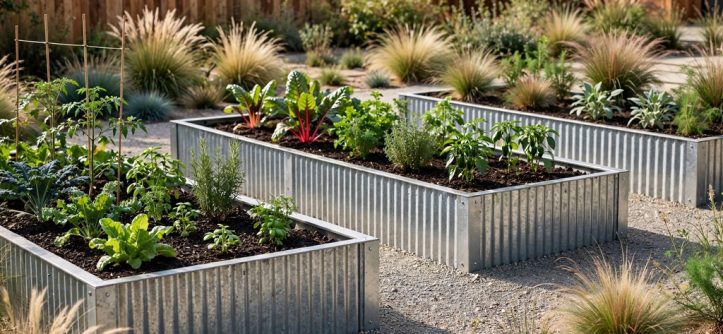
Corrugated metal garden edging gives modern yards a crisp, industrial border with clear structure. The ridged profile adds texture, holds soil in place, and separates planting areas from paths and lawns. Additionally, gardeners can bend strips into curves, straight lines, or neat tree rings with relative ease.
For example, metal garden edging creates texture through repeating ridges and shifting shadows along each border. Similarly, the raised strip draws a firm line between soft planting areas and firm walking paths. Meanwhile, plants spill gently over the edge without blurring the boundary or crowding the path.
Therefore, modern yards gain order without losing warmth or natural character. In contrast, plain borders often disappear beside bold planting and gravel surfaces. Finally, this guide explores practical ideas for beds, paths, curves, and finishes.
Why Corrugated Metal Garden Edging Suits Modern Yards
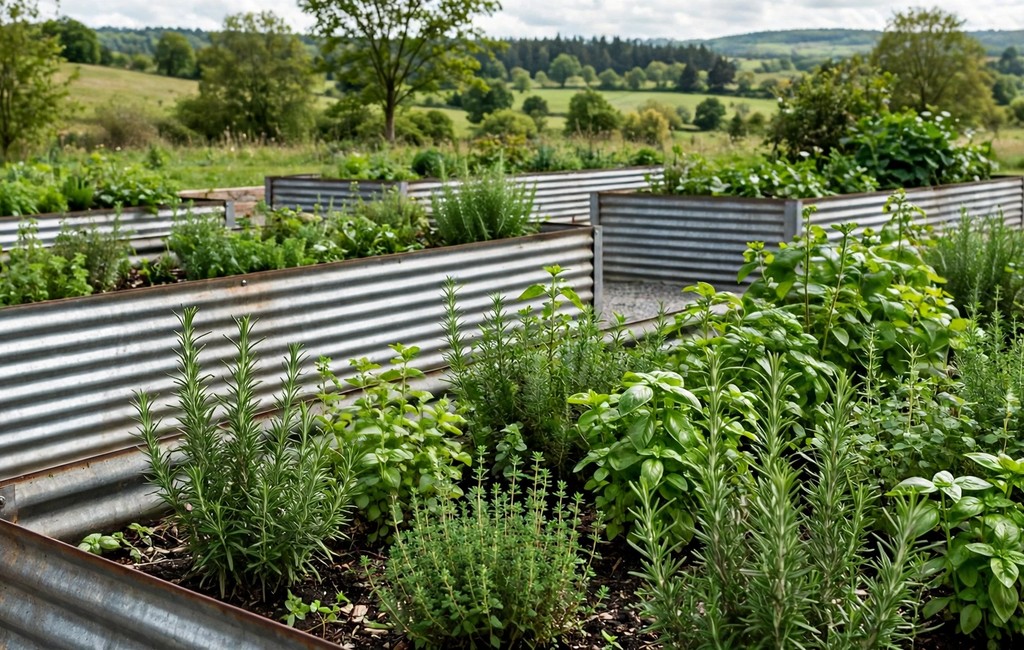
The repeating ridges catch light and shadow throughout the day in a subtle rhythm. For example, morning light sharpens each ridge, while evening light softens the overall profile. Additionally, the slim profile keeps attention on plants, gravel, and stone rather than the border itself.
Modern yards often pair strong geometry with loose, natural planting for visual balance. Similarly, corrugated metal echoes clean lines in patios, fences, and raised planters nearby. Moreover, gardeners can repeat the same finish across beds, paths, and tree surrounds for cohesion.
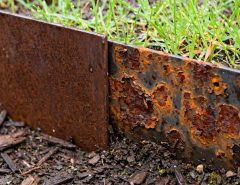
Galvanised steel offers a bright, industrial finish that suits pale gravel and concrete surfaces. In contrast, weathering steel develops a warm, rust-toned patina that complements green foliage beautifully. Therefore, you can match the finish to your planting palette, hard surfaces, and overall mood.
Corrugated Metal Garden Edging Design Ideas for Borders and Raised Beds
Low strips outline flower beds without blocking views across a small or open yard. For example, a low border frames lavender, grasses, and perennials while keeping mulch neatly contained. Additionally, the clean edge simplifies mowing, sweeping, and seasonal tidying around each bed.
Taller panels shape raised beds with strong sides and generous depth for healthy roots. Similarly, raised beds improve drainage, warm soil quickly, and ease planting, weeding, and harvesting tasks. Meanwhile, timber caps soften the top edge and create a comfortable perch for garden work.
Rectangular beds suit vegetable rows, herbs, and cutting flowers in an orderly kitchen garden. In contrast, square beds anchor corners, frame seating areas, and balance bold architectural planting. Finally, you can arrange several beds in parallel rows for a productive and highly walkable layout.
Shapes That Fit Paths and Planting Areas
Gentle curves guide visitors through a yard and soften the geometry of straight fences. For example, a sweeping curve around a lawn creates movement without sacrificing clarity or structure. Additionally, flexible strips follow curves smoothly and hold their shape after careful installation.
Straight runs suit formal paths, driveways, and narrow side yards with limited space. Similarly, straight edging aligns gravel, mulch, and paving into crisp, parallel bands of texture. Moreover, straight lines highlight specimen trees, sculptural shrubs, and bold architectural features nearby.
Circular rings define trees, feature shrubs, and focal points with a clean, finished outline. In contrast, angular beds add drama near patios and create striking contrasts with rounded planting. Therefore, you can combine circles, curves, and straight runs within one coherent landscape design.
Finishing Touches for Corrugated Metal Garden Edging
Pair corrugated metal with gravel for a light, permeable surface that drains well after rain. For example, pale gravel brightens shady corners, while darker gravel grounds bold modern planting. Additionally, mulch inside beds contrasts beautifully with metal ridges and rich green foliage.
Stone, timber, and concrete each add warmth or weight beside slim metal borders. Similarly, timber sleepers soften industrial edges, while stone adds rugged texture and natural variation. Meanwhile, concrete pavers sharpen path lines and reinforce the modern character of the design.
Keep the top edge level across each run for a professional and intentional appearance. In contrast, uneven edges distract the eye and weaken the crisp geometry of modern yards. Finally, trim grass runners regularly so lawns respect the boundary and beds stay tidy.
Care Tips That Keep Corrugated Metal Garden Edging Neat
Check each run after heavy rain and reset any strips that soil movement has loosened. For example, you can press shifted sections back into place and firm soil along both sides. Additionally, clear leaves and debris from path edges so ridges remain visible and attractive.
Weathering steel changes tone gradually as its protective patina deepens over time. Similarly, galvanised finishes age gracefully and retain a cool, industrial character outdoors. Moreover, you can rinse dusty panels occasionally to restore contrast and surface clarity.
Handle cut edges with care and fold or file sharp ends before placing strips near paths. In contrast, careless handling risks nicks, so you should wear gloves during installation and adjustment. Finally, inspect joints each season and tighten fixings so long runs stay straight and secure.
Frequently Asked Questions
Does Corrugated Metal Edging Suit Small Yards?
Yes, slim corrugated strips define small yards clearly without blocking views or crowding planting.
How Do You Bend Corrugated Metal Around Curves?
You bend flexible strips gradually by hand and secure each section firmly into prepared soil.
Will Weathering Steel Change Colour Over Time?
Yes, weathering steel develops a warm rust-toned patina gradually as it weathers outdoors naturally.
Can Corrugated Metal Edging Hold Mulch and Gravel?
The raised strip contains mulch and gravel effectively and keeps paths and beds separate.
What Plants Pair Well With Metal Edging?
Grasses, lavender, perennials, and herbs pair beautifully with crisp corrugated metal borders.
Conclusion
Corrugated metal brings texture, structure, and modern clarity to beds, paths, and tree surrounds. For example, you can start with one border, test the finish, and expand the design gradually. Additionally, pairing metal with gravel, timber, and stone creates a balanced and inviting yard.
Therefore, choose a finish that suits your planting, sketch your layout, and install one border this weekend. Similarly, small changes often transform a yard quickly, so enjoy shaping a cleaner outdoor space.

Leave a Reply