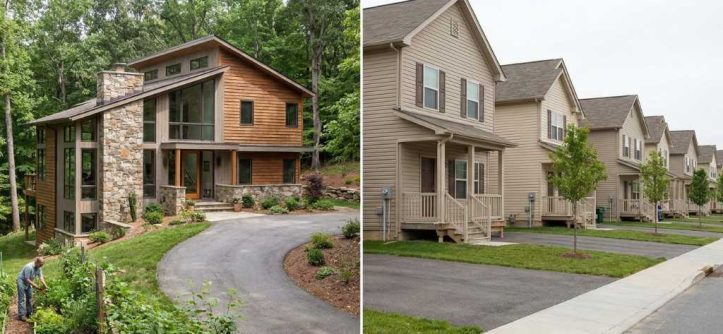
Custom home design gives you a fully unique layout built from scratch, while a production home comes from a builder’s existing catalog. Choose custom design if your lot or lifestyle needs are unusual. Choose a production home if speed and predictable cost matter most.
Deciding between these two paths shapes your entire building experience. Each option trades cost, time, and control differently. Understanding these differences helps you choose wisely from the start.
This guide compares both paths honestly and clearly. You will see where each option shines and where it falls short. By the end, your decision should feel much more obvious.
What A Production Home Actually Offers
Production builders construct the same floor plans repeatedly across a development. Buyers typically choose from a limited set of existing plans. Customization usually means selecting finishes rather than changing layouts.
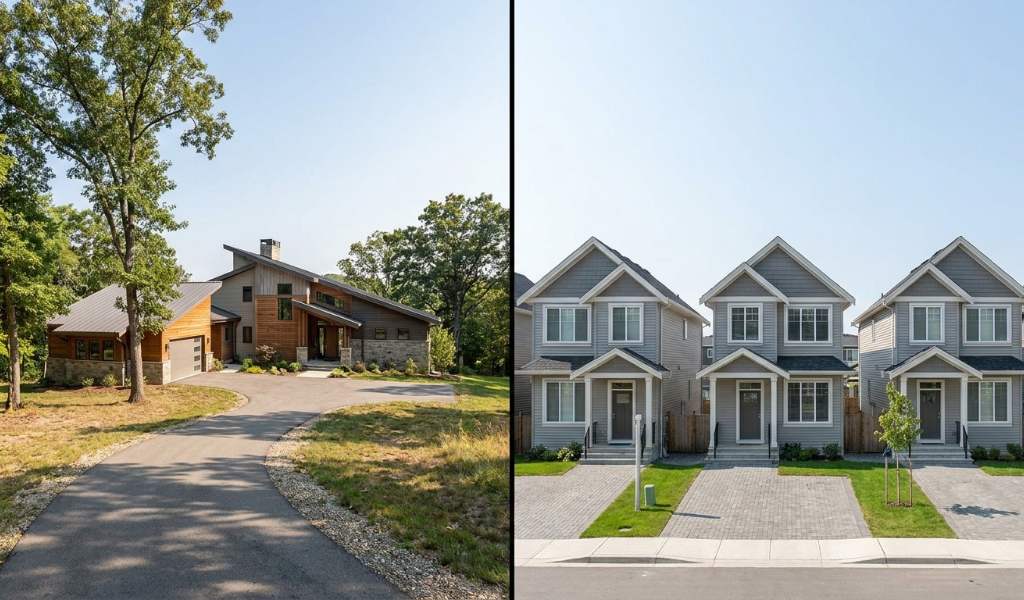
This approach keeps costs lower and timelines shorter overall. Builders already know their materials, labor needs, and schedules well. That familiarity translates into real savings for buyers.
The tradeoff is limited flexibility throughout the process. If the available plans fit your needs, this works beautifully. If they do not, you will spend the process compromising constantly.
What Custom Home Design Actually Offers
Custom home design starts with a completely blank page. An architect builds your layout around your lot, habits, and goals. Nothing here comes from an existing template or catalog.
This path gives you full control over every design decision. Every room, window, and material choice reflects your specific needs. Consequently, the final home feels deeply personal and tailored.
However, this freedom comes with added time and cost. Design alone can take several months before construction even starts. Many buyers find this tradeoff worthwhile for the right situation.
Comparing Cost Between Both Options
Cost differences between these paths can be substantial. Production homes generally cost less per square foot overall. Builder efficiencies and bulk purchasing help keep prices lower.
Custom home design typically costs more due to unique construction. Architectural fees add expense that production homes simply do not have. Materials and labor also cost more without repeated building efficiencies.
That said, custom design can sometimes match production costs. Simpler layouts without unusual features reduce the price gap considerably. Your final cost always depends heavily on specific design choices.
Comparing Timeline Between Both Options
Timeline expectations differ significantly between these two building paths. Production homes often finish within six to twelve months. Repetition and standardization help builders move quickly through construction.
Custom builds generally take much longer from start to finish. Design, permitting, and construction together often span two to three years. Unique designs simply require more time at every single stage.
If moving quickly matters most to you, production homes clearly win here. If you have flexibility, custom design opens up far more possibilities.
Comparing Control Over Design Decisions
Control represents the biggest difference between these two building approaches. Production homes offer limited input beyond basic finish selections. You are essentially choosing from a predetermined menu of options.
Custom home design flips this relationship entirely in your favor. Every decision becomes yours to make from the very beginning. This includes layout, materials, systems, and overall architectural style.
For buyers who value personalization deeply, this difference matters enormously. For buyers who just need a functional home quickly, it matters less.
How Your Lot Affects This Decision
Your specific lot often determines which path actually makes sense. Standard lots work well with most production home floor plans. Unusual lots frequently require solutions that only custom design provides.
Consider these common lot related factors:
- Steep slopes that standard plans cannot accommodate easily
- Narrow or oddly shaped lots needing creative layouts
- Significant views or privacy concerns requiring specific orientation
- Strict zoning rules limiting standard building footprints
If your lot fits neatly into standard categories, production homes remain viable. If your lot presents real challenges, custom design becomes increasingly necessary.
Questions To Ask Before Deciding
Before committing to either path, ask yourself several honest questions. Your answers will clarify which option truly fits your situation.
Consider asking:
- How flexible is my timeline for moving into a new home
- Does my lot fit standard production home floor plans comfortably
- How important is complete control over every design decision
- Am I comfortable with a potentially higher overall budget
Answering these questions honestly removes much of the guesswork. Most buyers find their decision becomes clear fairly quickly afterward.
Final Thoughts
Both production homes and custom home design lead to a finished house eventually. However, the journey toward that finished house looks very different. Your lot, timeline, and need for control should guide this decision.
Ready to explore your best option? Talk with a local builder or architect today to discuss your specific situation.
Frequently Asked Questions
Is a production home always cheaper than custom design?
Generally yes, since builder efficiencies and standardized materials help keep production home costs lower.
Can I customize a production home at all?
Yes, but customization is usually limited to finishes and a few predetermined layout options.
Which option takes less time to complete?
Production homes typically take less time since they follow established plans and construction processes.
Does my lot really determine which option works better?
Yes, unusual or difficult lots often require custom design solutions that standard plans cannot provide.
Is custom home design worth the extra cost and time?
It depends on your priorities, but many buyers find complete personalization worth the added investment.


Leave a Reply