
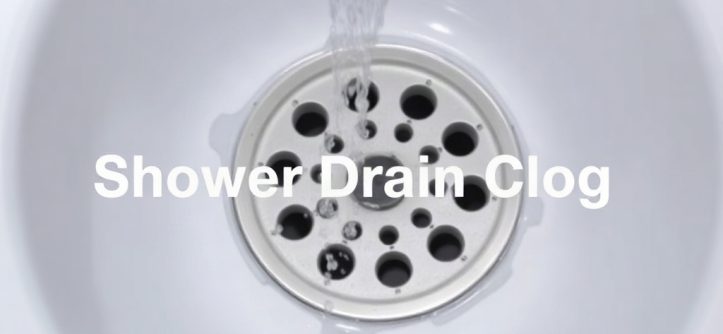
A shower drain clog rarely announces itself politely. You finish washing your hair, the water laps at your ankles, and you realize the drain has been slowing down for weeks without you noticing. Now you’re standing in two inches of soapy water, wondering whether to reach for a plunger, a snake, or a plumber’s phone number.
Quick answer: Most shower drain clogs come from a mat of hair, soap scum, and body oils trapped just under the strainer, and you can usually clear them with a drain snake or a hair-clog tool in under 15 minutes. Chemical drain cleaners are a last resort, not a first step. Prevention, meaning a good strainer and routine cleaning, saves far more time than any repair.
This guide explains how blockages form, why they deserve attention, and which habits keep your drain flowing. You’ll also learn the mistakes that turn a ten-minute fix into an expensive plumbing call, plus answers to the questions people ask most often.
What is a shower drain clog?
A shower drain clog is a slow (or total) blockage in the pipe that carries used shower water away. It forms when hair, soap residue, skin flakes, and oils collect faster than the drain can wash them through. Water then pools in the shower pan instead of draining away normally.
Shower drains are notoriously clog-prone for one structural reason: the trap. Every shower drain has a U-shaped pipe beneath the floor that holds a small amount of standing water. That water seal blocks sewer gases from rising into your bathroom, which is important. The trade-off is that the bend creates a natural collection point. Debris that flows past the strainer slows down there and settles.
What actually gathers inside the pipe
The material blocking a shower drain isn’t just hair, even though hair gets the blame. The real culprit is a composite:
- Hair forms a tangled net inside the trap.
- Soap scum (soap mixed with minerals in hard water) sticks to that net.
- Body oils and lotions glue the mass together.
- Skin flakes and lint bulk it out.
Each ingredient alone might wash through. Combined, they congeal into a sticky barrier that catches everything else. This is why a drain can clog even when you use a drain cover to catch hair, and why simply pouring hot water down rarely fixes an established blockage.
Different drains, different problems
Most homes have one of two drain types, and the fix differs slightly.
Comparison: standard drain vs. linear drain
| Feature | Standard round drain | Linear drain |
|---|---|---|
| Clog spot | Deep in the trap | At the surface grate |
| Common cause | Hair-and-scum mat in the U-bend | Build-up along the channel |
| Easy access | Needs a snake or tool | Grate lifts off for cleaning |
| Typical fix time | 10–20 minutes | 5–10 minutes |
Linear drains clog closer to the surface, so they’re easier to clear. Standard drains push debris into the trap, which is why a snake or hook tool proves so useful.
Soap scum forms less readily in soft water, so blockages build more slowly and often consist mostly of hair. In hard-water areas, expect a firmer, more stubborn mat that hot water alone won’t shift.
The key takeaway: know which drain you have and where the debris lives. That determines your tool and your timeline.
Why shower drain clog matters
A homeowner once told me she had ignored a slow shower drain for almost four months. Water eventually backed up into a hallway baseboard, and the repair bill included flooring, drywall, and a plumber’s visit. The slow drain was the warning; the damage was the cost of ignoring it. That story captures why a clog deserves attention long before the shower floods.
Stagnant water is also a hygiene problem. Standing water in a shower pan, combined with soap residue and warmth, creates a damp environment where mold and mildew thrive. You may notice a musty smell or dark staining around the drain flange. A clogged drain isn’t only inconvenient; it affects the cleanliness of the space where you clean yourself.
The hidden cost of waiting
Small problems escalate predictably. A partially blocked drain lets water trickle past the obstruction, and that trickle constantly wets the pipe joints and seals. Over time, pressure builds behind the clog. Water can find weak points in old pipes or grout lines and cause seepage into walls or ceilings.
Think about what a professional drain clearing costs compared with a full repair. Snaking a drain is a routine service with a modest price. Repairing water damage, replacing a section of subfloor, or treating mold requires far more money and disruption. The cheap fix happens early.
If water backs up in other fixtures when you run the shower, the blockage may sit in the main line, not just the shower trap. Stop using the shower and call a plumber. This can signal a sewage backup risk.
When a shower drain clog becomes urgent
Timing matters more than people expect. Treat a clog as urgent if water drains slowly for more than a few days, if the shower pan stays wet between uses, or if you smell something sour near the drain. Persistent gurgling after the water clears is another sign the trap is nearly sealed.
The takeaway: a slow drain is a signal, not an annoyance. Address it while it’s still a surface-level problem, and you avoid the expensive downstream consequences.
Best practices
The most effective approach combines a good defense with quick intervention. You don’t need fancy tools. A few simple habits and an inexpensive drain tool handle the vast majority of clogs.
Catch hair before it enters the drain
A mesh or basket strainer costs very little and catches the majority of hair at the surface. Empty it after every shower, or at least once a day. This single habit prevents most clogs from forming at all. Choose a cover that fits your drain opening snugly so hair can’t slip around the edges.
Clean on a schedule, not just when it’s blocked
A monthly routine beats emergency repairs. Lift the strainer, pull out visible hair with a tissue, and rinse the drain with hot water. A drain-cleaning tool, a simple plastic strip with barbs, pulls hair out of the trap without chemicals. Use it once a month and your drain will rarely surprise you.
Pour half a cup of baking soda into the drain, follow it with a cup of white vinegar, and wait 15 minutes before flushing with hot water. This loosens soap scum and freshens the smell. It won’t dissolve a hair mat, so use it as maintenance, not rescue.
Know which chemical cleaners are safe
Chemical drain cleaners are aggressive. They generate heat and can damage older pipes, especially PVC joints that have aged. Read the label for pipe compatibility and never mix products. Try better options first: a snake, a plunger, or a hair tool resolves most clogs without caustic chemicals.
Best-practice checklist for a healthy shower drain:
- Keep a hair strainer in place and empty it daily.
- Run hot water for 30 seconds after each shower.
- Use a drain tool monthly to pull trapped hair.
- Do a baking soda and vinegar flush every few weeks.
- Watch for slow drainage and act immediately.
The takeaway: prevention takes two minutes a week. That small investment eliminates most clog emergencies and keeps your pipes healthy for decades.
Common mistakes to avoid
Even careful people make errors when the drain slows down. Some mistakes damage plumbing, and others simply waste effort. Here are the ones that cause the most trouble, plus what to do instead.
Pouring chemical cleaner first
Reaching for a bottle of caustic cleaner seems like the obvious response. The truth is it often makes things worse. Chemical cleaners can’t dissolve a solid hair mat, and they sit against the obstruction where they generate heat. That heat can soften or crack older plastic pipes and damage metal fittings. Reserve chemicals for genuinely stubborn soap-scum buildup, and use a plumbing snake for hair.
Using the wrong tool for the blockage
A plunger can shift a surface obstruction, but it also drives water into the trap with force. Pushing hard on a seal that holds standing water can push debris deeper or loosen pipe joints. For most hair clogs, a drain snake or a barbed hair tool works better because it grips the material and pulls it out. Match the tool to the clog.
A straightened hanger can scratch the inside of plastic pipes and may push hair deeper into the trap. A proper drain tool costs less than a takeout meal and does the job without risk.
Ignoring the problem in a shared or rental unit
Renters sometimes hesitate to report a slow drain because they fear being blamed. That hesitation backfires. Small clogs are standard maintenance. Waiting turns a simple clearing into a water-damage repair, which does become a bigger conversation. Report slow drainage promptly and keep the strainer in place.
Overusing hot water as a sole fix
Hot water helps soften soap scum, but it doesn’t break up a dense hair-and-oil mat. Relying on hot water alone lets the clog grow while you convince yourself it’s handled. Combine hot water with mechanical removal for real results.
The takeaway: choose the right tool, act early, and skip aggressive chemicals. These choices protect your pipes and your wallet.
FAQ
Can I clear a shower drain clog without a plumber?
Yes, in most cases. A barbed hair tool or a hand snake handles common hair and soap clogs in under 20 minutes. Call a plumber if water backs up in other fixtures, if the drain stays blocked after two attempts, or if you notice a sewer smell.
How much does professional drain clearing cost?
Routine snaking is a modest service, and prices vary by region and access to the drain. Expect a service call fee plus labor. A single visit usually costs far less than repairing water damage, which is why homeowners should treat a slow drain as money you save by acting early.
Will a chemical cleaner damage my pipes?
Some can. Caustic cleaners generate heat that may harm older PVC joints and metal fittings, and repeated use erodes pipes over time. Use them sparingly and never mix brands. A mechanical tool is gentler and more reliable for hair clogs.
How often should I clean the shower drain?
A quick hair removal weekly, a deeper tool cleaning monthly, and a baking soda flush every few weeks keep most drains clear. Households with long hair or multiple daily showers should clean more often, perhaps every two weeks.
What if the shower still drains slowly after I clear it?
The blockage may sit deeper in the trap or further down the line. Try a longer hand snake. If the water still pools, the obstruction likely needs professional equipment, and a plumber can inspect the pipe for damage.
Conclusion
A shower drain clog is almost always a preventable problem. Hair, soap scum, and oils build up in the trap, and early action keeps that build-up from turning into water damage or a costly repair. The routine is simple: use a strainer, empty it daily, pull hair out monthly, and skip harsh chemicals unless nothing else works.
Your next step is concrete. Lift your drain cover today, remove any visible hair, and install a mesh strainer if you don’t have one. That small change pays off every time you shower. If water already pools around your feet, clear it now rather than waiting for it to get worse.


Leave a Reply