

Custom home design cost typically falls between eight and fifteen percent of total construction cost for architectural fees alone. Construction itself varies widely by region, size, and finish level. Most homeowners should budget significantly more than they first expect.
Many first time builders search for a single clear number. Unfortunately, that number simply does not exist for custom builds. Too many variables shape the final price tag.
This guide breaks down exactly where your money goes. It also explains which choices drive costs higher fastest. Understanding these factors now helps you plan a realistic, workable budget.
Design Fees Versus Construction Cost
These are two separate expenses that often get confused. Design fees cover your architect and engineering team. Construction cost covers the actual building of your home.
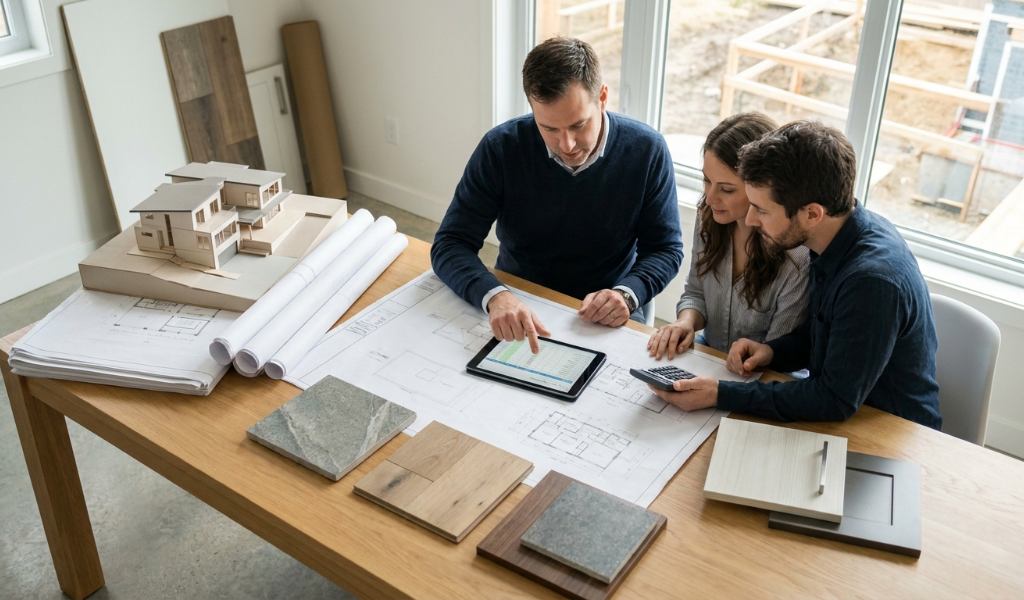
Architectural fees usually range between eight and fifteen percent of construction cost. Some firms instead charge flat fees for smaller projects. Always clarify which pricing method your architect uses upfront.
Construction cost makes up the much larger portion of your total budget. This number varies enormously depending on your specific location. Local labor rates and material availability both play major roles.
What Drives Custom Home Design Cost Higher
Several specific factors consistently push prices upward across different projects. Understanding these helps you control spending more effectively.
Common cost drivers include:
- Complex rooflines with multiple angles and intersections
- Difficult sites requiring excavation or retaining walls
- Large open spans needing extra structural engineering
- High end mechanical systems like full home automation
- Imported materials or custom fabricated cabinetry
- Change orders made after construction has already started
Each of these factors adds real cost beyond standard building expenses. Combining several of them can significantly increase your overall budget quickly.
Site Conditions And Their Impact On Budget
Your lot itself can dramatically affect total project cost. Steep slopes, poor soil, and high water tables all add expenses. These costs often surface before construction even begins.
Excavation and grading work can add significant upfront costs. Retaining walls become necessary on many sloped or uneven lots. Budgeting for site work separately helps avoid unpleasant surprises later.
Structural And Mechanical System Costs
Structural choices affect both safety and overall project price. Large open spans and cantilevers require extra engineering support. This additional engineering adds noticeable cost to your final budget.
Mechanical systems also influence pricing substantially throughout construction. Geothermal heating and advanced HVAC zoning both increase expenses. Standard systems remain considerably more affordable than premium alternatives.
Material Selection And Finish Levels
Materials represent one of the most flexible parts of your budget. Stock cabinetry costs far less than custom made millwork. Domestic stone remains more affordable than imported slab options.
Choosing finishes wisely can meaningfully reduce overall project expenses. Many homeowners successfully balance style with practical affordability. Prioritizing durability often saves money over many years ahead.
How To Build A Realistic Budget
Creating an honest budget starts well before design work begins. Working backward from your total available funds helps clarify priorities.
Useful budgeting steps include:
- Subtracting land cost if you do not already own it
- Setting aside architectural and engineering fees separately
- Reserving ten to twenty percent for unexpected expenses
- Calculating your remaining realistic construction budget
This structured approach keeps your project grounded in reality. It also prevents painful surprises once bidding begins. A clear budget early makes every later decision easier.
Why A Contingency Fund Matters
Custom builds involve far more unknowns than standard construction projects. A contingency fund protects you against these unexpected costs. Skipping this step often leads to serious financial trouble later.
Most experts recommend setting aside ten to twenty percent of construction costs. This fund covers surprises like permit delays or material price changes. Projects without this safety net frequently stall partway through.
Smart Ways To Control Costs Without Sacrificing Quality
Cutting corners randomly rarely produces good long term results. Instead, focus on changes that meaningfully reduce cost everywhere at once.
Effective cost saving strategies include:
- Reducing overall square footage where possible
- Simplifying rooflines and exterior footprints
- Choosing durable, moderately priced materials over premium imports
- Finalizing decisions early to avoid expensive change orders
Reducing square footage remains the single most effective cost lever available. It lowers expenses across foundation, framing, and finishes simultaneously. Simplifying your roofline also saves meaningful money with minimal visual impact.
Final Thoughts
Understanding custom home design cost early protects your budget and your sanity. Every decision from site selection to material choice affects your final number. Planning carefully now prevents painful surprises later during construction.
Ready to build your realistic budget? Talk with a qualified architect today to get accurate, personalized cost estimates.
Frequently Asked Questions
What percentage of construction cost goes toward architectural fees?
Architectural fees typically range between eight and fifteen percent of total construction cost.
What is the biggest factor that increases custom build costs?
Complex rooflines and difficult site conditions are among the biggest factors increasing overall costs.
How much contingency fund should I set aside?
Most experts recommend setting aside ten to twenty percent of your construction budget.
Does reducing square footage really save significant money?
Yes, reducing square footage lowers costs across nearly every category of construction simultaneously.
Are change orders really that expensive during construction?
Yes, changes made after construction starts almost always cost more than the same decision made earlier.

Leave a Reply