
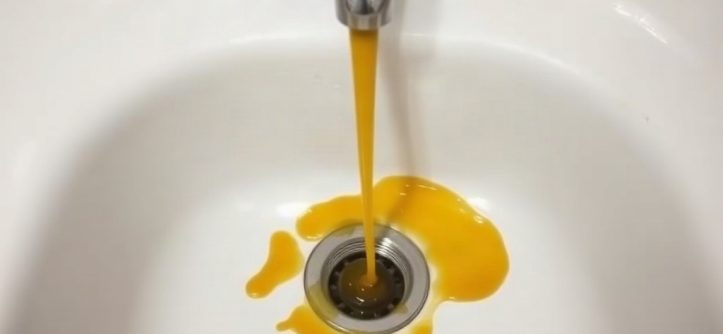
A slow-draining kitchen sink with a greasy film around the drain usually points to one problem: a kitchen sink grease clog. That slick, soapy buildup is fat and oil that cooled inside the pipe and stayed there. The water still trickles through, so many people wait weeks before acting.
Quick answer: Stop pouring grease down the drain and stop using chemical drain cleaners on a fat clog. Start with a pot of near-boiling water and a plunger, then move to a drain snake if the water still drains slowly. For a clog deep in the wall or a repeated blockage, call a plumber before the pipe backs up into the cabinet.
This guide explains how fat clogs form, why they damage pipes, and which habits keep your drain clear for good. You will also get a short troubleshooting path you can follow tonight.
What is kitchen sink grease clog?
A kitchen sink grease clog is a mass of cooled cooking fat, soap scum, and food particles stuck to the inside wall of a drainpipe. Grease leaves the pan as a warm liquid. By the time it travels a few feet down the pipe, the water has cooled and the fat starts to set. It coats the pipe like candle wax and narrows the opening a little more with every meal.
Three things make the buildup worse:
- Cooling water. Hot water keeps fat liquid; a lukewarm rinse lets it harden inside the pipe.
- Soap and detergent. These bind with fat and turn it into a sticky film that grabs coffee grounds and rice.
- Low flow. A slow trickle of water cannot push a heavy mass along, so it settles at the lowest point.
Where the clog actually forms
Most kitchen clogs sit close to the sink, in the P-trap or the short run of pipe before the wall. That section holds standing water, which cools fast. A clog deeper in the wall or in the main line usually means the problem has been building for months. The location matters because a trap clog is a quick fix, while a line clog needs a plumber.
Grease behaves like a liquid when warm and like a solid when cool. Your drain is the one place where it cools fast enough to harden against a surface, which is why the pipe wall collects a ring of fat rather than a loose blob.
Signs you have one
Watch for water that drains slower than it did a month ago, a gurgling sound as the sink empties, and a gray film on the drain stopper. A faint sour smell near the cabinet is another clue. These signals appear well before a full backup, which gives you time to act cheaply.
Key takeaway: fat hardens as it cools, and each rinse leaves another thin layer inside the pipe.
Why kitchen sink grease clog matters
Left alone, a kitchen sink grease clog does more than slow the drain. It narrows the pipe until water backs up into the cabinet or the dishwasher, and that cleanup is far messier than clearing the line. Fat also traps food scraps, which decay and produce odors that reach the whole kitchen.
The cost of waiting
Baking soda, vinegar, and a plunger often handle a fresh clog. Once fat has hardened into a solid plug, the job usually needs a drain snake or a plumber. In many homes the same drain clogs again within months because the pipe wall is still coated. Clearing the symptom without changing the habit means paying for the same visit twice.
Chemical drain cleaners deserve caution here. Many rely on caustic soda, which generates heat as it dissolves. Used on a fat plug in an older pipe, the heat can soften PVC joints or damage a metal trap. The chemicals can also splash back when they meet standing water. A plumber’s snake costs less than a repeat call and will not harm the pipe.
Combining two different chemical cleaners can cause a violent reaction. If one product fails, flush the drain with plenty of water and call a plumber instead of trying a second brand.
Damage beyond the drain
Grease does not vanish downstream. It cools again in the main sewer line and can join with other waste to form large blockages. Those blockages can push sewage back into your home or the street. Municipal systems spend significant budgets clearing fat from sewers, and some areas fine households that repeatedly cause blockages.
There is a fire and safety angle too. Pouring hot grease into a sink beside a lit burner can splash. Storing grease in a jar until it sets is safer for your hands and your plumbing.
Key takeaway: a fat clog is cheap to prevent and expensive to ignore, because the same layer of grease returns.
Best practices
Prevention takes one extra minute per meal and removes most clogs before they start. The habits below are simple and cost nothing beyond a jar or a can.
Keep fat out of the drain
- Pour cooled grease into a jar or tin, let it set, and toss it. Keep the jar under the sink so it is always within reach.
- Wipe greasy pans and plates with a paper towel before washing. That single step removes most of the fat that would otherwise enter the pipe.
- Scrape food scraps into the trash, not the sink. Coffee grounds, rice, and eggshells all bind with fat.
Use water correctly
Run hot water for 30 to 60 seconds after any greasy wash. This flushes fat through the trap while it is still liquid. A bowl of hot water with a drop of dish soap works well as a weekly flush. Avoid filling the sink with cold water and pulling the plug; a fast cold rush can set fat against the pipe wall.
Maintain the drain
Once a week, pour half a cup of baking soda down the drain, follow it with a cup of white vinegar, and let it fizz for ten minutes before flushing with hot water. This loosens film before it hardens. A drain screen catches food and hair and costs less than a coffee. Clean it weekly, because a clogged screen slows flow and lets grease settle.
If fat hardens in a jar on your counter within an hour, it will do the same inside a cool pipe. Treat any fat that passes that test as trash, never rinse water.
Key takeaway: wipe, toss, and flush with hot water; those three habits stop most kitchen sink grease clogs.
Common mistakes to avoid
Most repeat clogs trace back to a handful of habits. Fixing them costs little and saves repeated plumber visits.
Rinsing with cold water
Rinsing with cold water is the most common mistake. Fat needs heat to stay liquid, so a cold rinse sets it against the pipe wall. People often rinse with cold water because it feels gentler on the sink, but it works against them. Switch to hot water for greasy cleanup and save cold water for drinking.
Trusting “flushable” or “drain-safe” claims
Some products promise to dissolve fat. Many only soften the outer layer, leaving the core to harden again within days. Read the active ingredient. If the product contains caustic soda, treat it with care and never let it sit overnight in an old pipe.
Using a plunger on a fat clog without blocking the overflow
A plunger works by pressure, and the overflow hole lets that pressure escape. Cover it with a wet cloth before plunging. Otherwise, you are pushing air, not water, and the clog stays put. Plunge in short bursts, keeping the cup sealed.
Skipping the P-trap check
Many people call a plumber before checking the trap. The P-trap under most kitchen sinks unscrews by hand or with a pair of pliers. Place a bucket underneath, remove the trap, and clean it out. This clears a large share of clogs in minutes. Wear gloves, because the contents are greasy and smelly.
Pouring in a whole bottle of cleaner
More chemicals do not clear a clog faster. Excess cleaner sits in the pipe and can damage seals. Follow the label, and stop using the product if the water does not move after one treatment. If the drain still backs up, a snake is the better tool.
Key takeaway: cold rinses, oversized chemical doses, and unblocked overflow holes keep clogs alive; fix those three habits first.
FAQ
How do I know if the clog is grease or something else?
Grease clogs drain slowly and steadily and often carry a greasy film or sour smell near the drain. A hard blockage from a solid object usually causes a sudden stop, with no warning and no slow decline. If the water gurgled for days before stopping, fat is the likely cause.
Can I use boiling water on a grease clog?
Yes, for most metal or plastic kitchen pipes. Pour near-boiling water in stages, letting it sit for a minute between pours, and follow with a plunge. Skip boiling water if you have older glued joints or a flexible connector that feels soft, because heat can loosen them.
How much does it cost to clear one?
A drain snake rental or a hand tool costs little and handles most clogs. A plumber visit for a simple trap or line clearing typically runs from modest to moderate, depending on your area. A camera inspection or a main-line jetting job costs more.
Why does my sink clog again after I clear it?
The pipe wall stays coated with fat even after water flows. New grease sticks to that film and rebuilds the clog in weeks. Weekly hot-water flushes and wiping pans before washing break the cycle.
When should I call a plumber instead of DIY?
Call a plumber if water backs up in two fixtures at once, if the drain still runs slow after you clean the trap and snake the line, or if you smell sewage near the cabinet. Repeated clogs in the same spot also point to a problem beyond the trap.
Conclusion
Fat hardens as it cools, and your kitchen sink is the one place where it cools fast enough to coat the pipe. That is why the clog returns unless you change how you handle grease. Wipe pans, bin the fat, flush with hot water, and clean the trap before reaching for chemicals or a plumber. Tonight, start with one jar under the sink and a hot-water flush. Then check the drain screen and set a weekly reminder; small habits keep the line clear for years.


Leave a Reply