
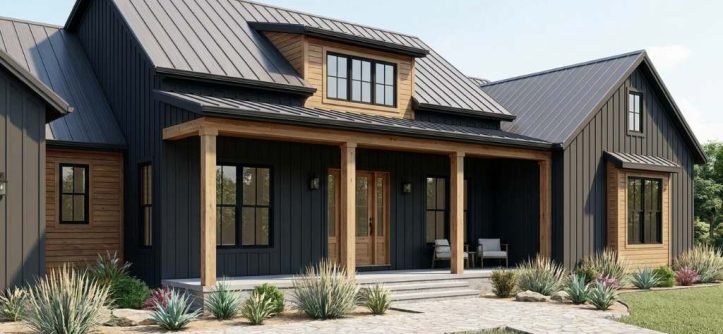
Custom home design trends right now favor flexible layouts, strong indoor outdoor connections, and built in accessibility features. These choices improve daily comfort and long term value. Smart buyers blend current trends with timeless, functional decisions.
Trends shift constantly across the home building industry. However, some patterns genuinely improve how people live day to day. Others simply reflect temporary style preferences.
This guide separates lasting trends from passing fashion. You will learn which ideas deserve real investment. By the end, your design choices will feel more confident.
Indoor Outdoor Living Has Become Essential
Large sliding or folding doors now connect kitchens directly to outdoor spaces. This creates seamless movement between indoor and outdoor areas. Many buyers now consider this feature nearly standard.
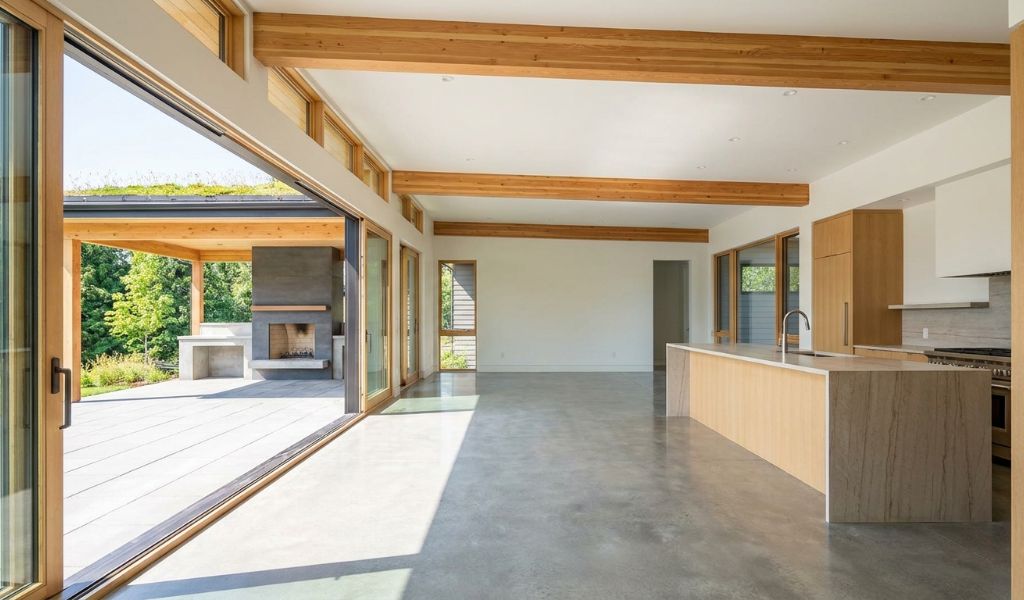
Covered outdoor living areas extend this connection even further. These spaces function well across different seasons and weather conditions. Consequently, outdoor areas see much more daily use.
Sightlines also matter significantly throughout this design approach. Kitchens, living areas, and backyards should feel visually connected. This creates a sense of expanded, flowing space.
Flexible Rooms Are Replacing Single Purpose Spaces
Formal living and dining rooms in custom home design often sit empty most of the year. Many homeowners now prefer flexible, multi-use spaces instead. These rooms adapt easily to changing daily needs.
A flex room might serve as a home office most days. Later, it could become a guest space or playroom. This adaptability reflects how modern families actually live.
Builders increasingly design these spaces with adaptability in mind. Movable furniture and flexible lighting support multiple possible uses. This trend shows no signs of slowing down soon.
Accessibility Features Are Being Built In Earlier
More homeowners now request accessibility features well before needing them. Zero step entries and wider hallways top this growing list. These choices support aging in place comfortably.
Primary bedrooms on main floors have also grown increasingly popular. This placement reduces reliance on stairs for daily living. Many younger buyers now request this feature proactively.
Building these features in from the start costs relatively little. Retrofitting them later proves far more disruptive and expensive. Planning ahead clearly makes practical financial sense.
Mudrooms And Entry Organization Remain A Priority
Dedicated entry spaces for shoes, bags, and gear remain highly requested. These areas handle daily chaos that formal entries cannot manage. Many buyers now prioritize this space above decorative rooms.
Well designed mudrooms typically include specific functional elements:
- Built in storage for shoes and outdoor gear
- Hooks or cubbies for backpacks and jackets
- Durable flooring that handles moisture and dirt easily
- Direct access between garage and main living areas
These practical spaces see daily use far more than formal rooms. Prioritizing function here consistently improves everyday household satisfaction.
Kitchens Are Absorbing More Household Functions
Modern kitchens now handle far more than cooking alone. Homework, remote work calls, and meal planning all happen there. This shift has changed how kitchens get designed significantly.
Larger kitchen islands now support multiple simultaneous activities easily. Built in desk nooks near kitchens have also grown popular. Acoustic separation from nearby offices helps prevent constant interruptions.
This trend reflects how central kitchens have become to daily life. Designing around this reality improves overall household functionality significantly.
Durable, Low Maintenance Materials Are Gaining Popularity
Homeowners increasingly choose materials based on long term performance. Appearance still matters, but durability now carries equal weight. This shift reflects growing interest in practical, lasting value.
Popular material choices now include:
- Engineered stone resistant to staining and scratching
- Factory finished siding requiring minimal ongoing maintenance
- Durable flooring that withstands pets and active households
- Low maintenance exterior materials suited to local climates
Choosing durability upfront often saves significant money over time. Reduced repairs and replacements add up considerably across many years.
Which Trends Deserve Real Investment
Not every trend deserves equal attention during your design process. Layout and structural trends matter most since changes later cost significantly more.
Focus serious investment on these lasting categories:
- Indoor outdoor connections built into the core layout
- Flexible room adjacencies planned from the beginning
- Accessibility features integrated into structural decisions
- Kitchen functionality designed around real daily use
Finish trends like paint colors remain easier to update later. Save your flexibility budget for these more adjustable choices instead.
Final Thoughts
Custom home design trends offer valuable insight into how people want to live today. However, lasting value comes from combining trends with timeless functional decisions. Choose wisely based on your actual daily habits.
Ready to incorporate these trends into your own project? Talk with your architect today about which features genuinely fit your lifestyle.
Frequently Asked Questions
What is the most popular current design trend?
Strong indoor outdoor connections through large sliding doors remain among the most requested features.
Should I prioritize layout trends over finish trends?
Yes, layout trends are expensive to change later, while finish trends remain easy to update.
Are accessibility features only useful for older homeowners?
No, many younger buyers now request accessibility features proactively for future flexibility.
Why are flexible rooms becoming so popular?
Flexible rooms adapt easily to changing family needs, unlike single purpose formal rooms.
Do durable materials really save money long term?
Yes, durable materials reduce repair and replacement costs significantly over many years.

Leave a Reply