
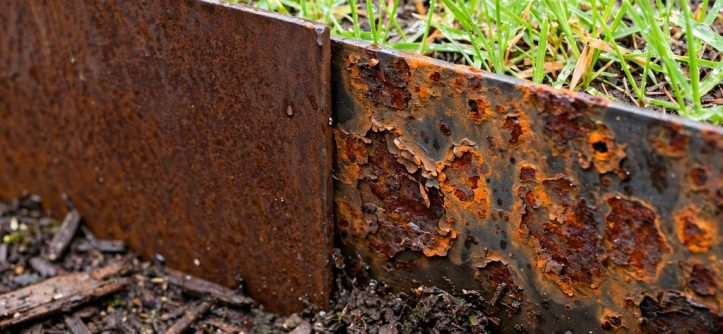
Metal garden edging rusts when moisture, oxygen, and soil salts attack bare iron surfaces. Therefore, damp soil, standing water, and coastal air speed up corrosion on unprotected edges. However, smart material choice, good drainage, and regular care greatly reduce rust damage.
Choosing the right metal garden edging starts with understanding three steel types. First, weathering steel, often called Corten steel, forms a dense rust patina over time. Next, galvanized steel uses a zinc coating to shield the underlying steel from moisture. In contrast, untreated steel lacks any protective layer and corrodes steadily after exposure.
Additionally, soil type, mulch contact, and sprinkler spray change how fast rust spreads. For example, heavy clay holds water against steel and keeps surfaces wet for longer periods. Meanwhile, loose, free-draining soil lets water move away and helps edges dry between rains.
Why Metal Garden Edging Rusts in Moist Soil
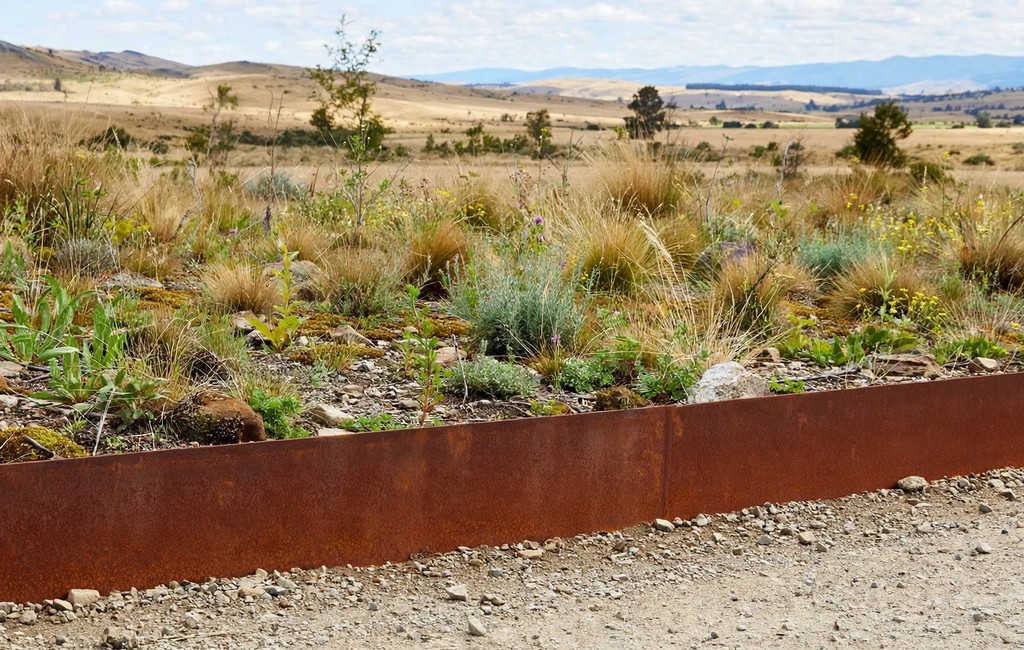
Rain, irrigation, and damp soil supply the moisture that corrosion needs to start. Oxygen then reacts with iron at the surface and creates iron oxide, or rust. As a result, a small scratch or bare spot can become a starting point for wider damage.
Soil chemistry also matters because salts, fertilizers, and acidic soil increase corrosion risk. Similarly, trapped mulch and fallen leaves hold moisture against steel and slow drying. Consequently, edges buried in constantly wet soil face much higher rust pressure than drier edges.
Temperature shifts add stress too, especially when frost, thaw, and wet soil expand together. Moreover, repeated wetting and drying cycles open tiny cracks in weak coatings over time. Therefore, gardeners should treat moisture control as the first line of rust defence.
How Different Metals Respond to Rust
Material choice shapes rust behaviour more than any single maintenance habit. For example, two edges in the same garden can age very differently after similar weather. Understanding each metal helps gardeners match edging to soil, climate, and nearby surfaces.
Corten Steel and Its Protective Patina
Corten steel belongs to the weathering steel family and develops a protective patina under suitable conditions. The patina forms as a dense oxide layer and slows further corrosion beneath the surface. However, the patina needs alternating wet and dry periods to stabilise properly. In contrast, constantly wet, shaded, or salt-heavy conditions can disrupt patina formation.
Additionally, early rust runoff can colour nearby surfaces before the patina settles. Gardeners should therefore plan a gap or gravel strip beside pale paving during early weathering.
Galvanized Steel and Its Zinc Barrier
Galvanized steel carries a zinc coating that acts as a barrier against moisture and oxygen. Zinc also protects nearby exposed steel by corroding slowly in place of the underlying metal. However, scratches, cuts, and drilled holes can expose bare steel and weaken local protection. As a result, prompt touch-ups matter most at joints, stakes, and cut ends.
Powder coating over galvanized steel adds colour and an extra shield against weather. Meanwhile, chips in powder coating need attention because moisture can enter underneath the coating. Similarly, abrasion from mowers, trimmers, and gravel can wear coatings at ground level.
Untreated Steel and Ongoing Corrosion
Untreated steel includes ordinary mild steel and lacks a protective alloy or coating. Therefore, rust on untreated steel tends to flake, expose fresh metal, and continue spreading. In contrast to Corten steel, ordinary steel gains no stable patina from surface rust. Consequently, untreated edges need a coating, regular inspection, and timely repair to survive outdoors.
For example, a painted mild steel edge lasts longer while its film stays intact. Once paint peels, moisture reaches bare steel quickly and rust spreads beneath nearby paint.
Drainage Problems That Speed Up Damage
Poor drainage keeps steel wet long after rain stops and raises corrosion risk sharply. For example, low spots, compacted clay, and blocked outlets trap water beside edging. Additionally, soil piled high against steel holds moisture and hides early rust signs.
Good drainage, meanwhile, gives water a path away from the metal face. A slight slope, loose topsoil, and a gravel strip beside edging all help surfaces dry. Similarly, clear joints and unblocked channels stop water pooling after heavy rain.
- Slope: Direct surface water away from steel edges toward open ground.
- Gravel: Place a narrow gravel strip beside edging to speed drying.
- Clearance: Keep mulch and soil below the top edge to reduce trapped moisture.
Coastal Exposure Where Metal Garden Edging Rusts
Coastal air carries salt particles that settle on steel and attract extra moisture. Salt, therefore, disrupts protective layers and speeds corrosion, especially on weathering steel. For example, sea spray, onshore wind, and salty soil all increase chloride exposure near coasts.
In coastal gardens, galvanized or stainless steel often handles salt better than weathering steel. However, even resistant metals need rinsing because salt deposits can build up over time. Additionally, gardeners should inspect coastal edges more often and repair coating damage promptly.
Protective Coatings So Metal Garden Edging Rusts More Slowly
Protective coatings work by blocking moisture and oxygen from reaching bare steel surfaces. Paint, powder coating, zinc, and rust-inhibiting primer each create a different type of barrier. For example, primer bonds to steel, paint seals the surface, and powder coating forms a film.
Surface preparation matters because coatings grip clean, dry, rust-free steel better. Therefore, gardeners should remove loose rust, dirt, and grease before applying any coating. Similarly, thin, even coats dry better and protect more reliably than one thick, uneven coat.
However, no coating lasts forever outdoors, especially at ground level where abrasion concentrates. Consequently, regular checks for chips, cracks, and peeling help gardeners recoat before rust spreads.
Rust Staining Where Metal Garden Edging Rusts
Rust staining happens when rain washes loose iron oxide from steel onto nearby surfaces. Pale paving, limestone, concrete, and light decking show these orange-brown marks most clearly. Additionally, staining often peaks during early weathering, before a Corten patina stabilises.
A gravel gap, setback, or drainage channel can catch runoff before it reaches paving. For example, a stone strip beside Corten edging gives rust particles somewhere harmless to settle. Meanwhile, prompt rinsing after rain can reduce fresh marks on sealed paving surfaces.
However, older or deeper stains may need gentle cleaning and patience, not harsh abrasion. Therefore, gardeners should protect sensitive paving during installation and early weathering stages.
Maintenance That Slows How Metal Garden Edging Rusts
Regular inspection catches rust early, when cleaning and touch-ups work well. For example, gardeners should check joints, stakes, cut ends, and ground-level sections seasonally. Additionally, clearing mulch, leaves, and soil from steel faces helps surfaces dry after rain.
Gentle cleaning with water and a soft brush removes dirt without stripping protective coatings. However, wire brushes and harsh chemicals can scratch coatings and expose fresh steel underneath. As a result, gardeners should choose mild cleaning methods and test any cleaner discreetly first.
Finally, recoat damaged spots promptly, reseat shifted sections, and restore drainage after storms. Similarly, trimming plants away from steel improves airflow and reduces trapped moisture.
Frequently Asked Questions
Why does metal garden edging rust in soil?
Soil moisture, oxygen, and salts attack bare steel and start corrosion.
Does Corten steel stop rusting completely?
No, Corten steel slows corrosion with patina but still corrodes slowly.
How can I prevent rust on metal garden edging?
Improve drainage, protect coatings, and inspect edges regularly for damage.
Will metal edging stain my paving?
Yes, rust runoff can stain pale paving, especially during early weathering.
Is metal edging suitable near the coast?
Coastal gardens need salt-resistant materials, rinsing, and frequent coating checks.
Conclusion
Rust damage rarely starts suddenly, so early material choice and moisture control matter most. Therefore, match steel type to soil, drainage, and coastal exposure before installation. Additionally, protect coatings, clear debris, and check edges after wet weather.
Inspect your edging this week, clear trapped mulch, and touch up any bare spots promptly. Finally, plan drainage and paving protection to keep metal edges strong for seasons ahead.


Leave a Reply