
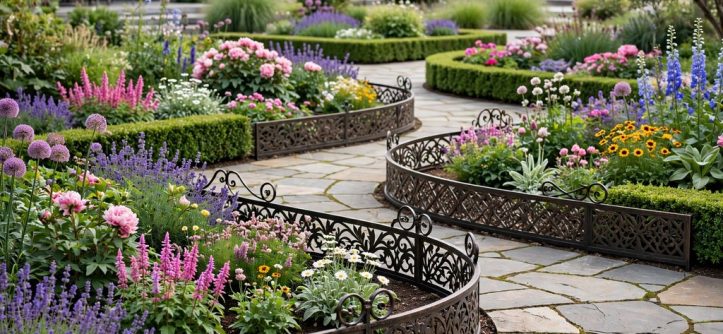
Decorative metal garden edging designs turn plain borders into stylish garden features. Patterned steel, ornamental ironwork, and elegant curves frame beds with clear definition. These borders also hold mulch, soil, and gravel firmly in place.
Decorative borders combine practical function with garden aesthetics in every season. A well chosen metal garden edging line keeps planting tidy while shaping visual rhythm. Additionally, crisp metal lines guide the eye along paths and toward focal plantings. Meanwhile, open patterns soften hard edges without hiding flowers or foliage behind them.
Gardeners can match bold patterns with modern planting or softer scrolls with cottage beds. Similarly, dark finishes recede quietly while lighter metals catch sunlight and draw attention. Careful placement therefore turns a simple border into a lasting design statement.
Patterned Steel Borders of Decorative Metal Garden Edging
Patterned steel panels bring rhythm, texture, and structure to flower beds and pathways. Designers cut floral motifs, geometric shapes, and flowing waves into flat steel panels. For example, repeating leaf shapes echo nearby planting while keeping the border orderly.
Laser cut panels cast delicate shadows across soil, mulch, and gravel during bright daylight. Additionally, varied cutout sizes create depth without blocking views of low growing plants. Gardeners often repeat one motif along a run for a calm and cohesive border effect.
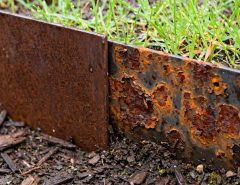
Corten steel offers warm rust tones that complement stone, timber, and natural planting schemes. In contrast, powder coated steel delivers crisp black, bronze, or green lines for formal gardens. Choose a pattern scale that suits the bed size and the surrounding garden features.
Decorative Metal Garden Edging Ornamental Ironwork
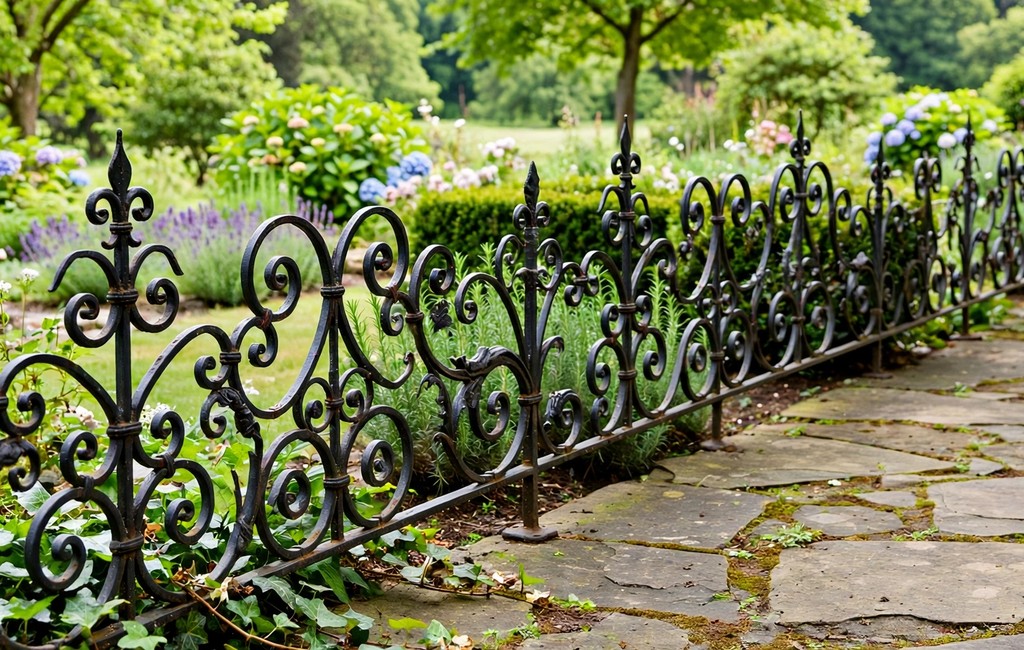
Ornamental ironwork suits cottage gardens, formal beds, and traditional front garden borders. Craftspeople forge scrolls, loops, and pointed finials into elegant panels with timeless character. However, ornate designs need open spacing so plants remain visible through the metalwork.
Scrollwork and Finial Details
Scrollwork adds graceful movement along straight borders and around curved flower beds. Finials crown each panel with small points, balls, or leaf shapes for refined detail. Similarly, looped tops soften taller panels and protect visitors from sharp metal edges.
Victorian Inspired Panels and Garden Character
Victorian inspired panels recall historic gardens with symmetrical scrolls and ornate flourishes. Gardeners pair these panels with roses, lavender, and clipped shrubs for classic garden charm. Next, repeat the same panel style at gates and corners for a unified garden composition.
Decorative Metal Garden Edging Curves and Flowing Lines
Curved metal borders guide visitors gently through gardens instead of forcing sharp corners. Flexible steel and aluminum strips bend smoothly around trees, ponds, and winding pathways. As a result, sweeping curves create movement and connect separate garden areas naturally.
Gardeners shape spiral beds, circular tree surrounds, and soft kidney shaped borders with ease. For example, a gentle curve around a seating area frames the space without closing it off. Meanwhile, tighter curves suit small courtyards where every planting area needs clear definition.
Scalloped top edges add a decorative wave along otherwise straight or gently curved runs. Additionally, raised curved profiles catch light and shadow throughout changing daylight hours. Keep curve radii generous so metal strips bend cleanly without kinking or buckling.
Creative Accents for Paths, Beds, and Patios
Decorative metal edging frames more than flower beds in thoughtful garden designs. Designers outline gravel paths, kitchen gardens, ponds, and patio seating areas with metal borders. Therefore, one consistent edging style can unify many different garden zones at once.
Low panels suit ground cover beds, while taller panels frame shrubs and ornamental grasses. In contrast, open lattice panels support climbing plants near seating areas and garden walls. Gardeners often mix heights carefully so taller accents highlight focal points without overwhelming beds.
Choosing Decorative Metal Garden Edging Finishes
Powder coated steel resists weather damage while offering clean colour and smooth surfaces. Galvanized steel protects borders in damp gardens where moisture lingers near soil and mulch. Aluminum stays light, resists rust, and bends easily around curves and planting beds.
Copper develops a rich patina that shifts gradually from bright tones toward soft green hues. However, copper suits smaller accents best because its warm tones draw strong visual attention. Similarly, stainless steel offers bright modern lines for contemporary patios and minimalist planting schemes.
Match metal finishes with nearby fences, furniture, lighting, and garden sculpture for harmony. For example, black metal echoes dark planters while bronze tones warm stone and timber features. Finally, inspect coatings regularly and touch up scratches promptly to preserve lasting beauty.
Planning and Placing Decorative Borders
Start by sketching bed shapes, path lines, and focal points on a simple garden plan. Next, mark border lines with string or garden hose before digging any shallow trench. Measure each run carefully so panels align neatly at corners, joins, and path crossings.
Set ground stakes firmly into prepared soil and check panel heights with a spirit level. Additionally, leave small gaps between panels where seasonal soil movement might shift borders. Backfill soil and mulch evenly against panels so roots stay contained and edges stay crisp.
Quick Ideas for Decorative Metal Accents
- Path accents: Frame gravel paths with low patterned strips for clear walking lines.
- Bed focal points: Highlight specimen shrubs with taller ornamental panels at bed corners.
- Pond surrounds: Outline water features with curved steel for smooth natural transitions.
- Patio borders: Separate seating areas from planting with open lattice panels and climbers.
- Tree surrounds: Circle tree bases with scalloped edging to contain mulch and protect roots.
Frequently Asked Questions
What Is Decorative Metal Garden Edging?
Decorative metal garden edging shapes stylish borders from patterned steel, ironwork, or aluminum panels.
Does Metal Edging Suit Curved Garden Beds?
Yes, flexible steel and aluminum strips bend smoothly around curves, trees, and winding pathways.
How Do I Choose a Pattern for My Garden?
Match bold geometric patterns with modern gardens and softer scrolls with traditional cottage planting.
Will Metal Edging Contain Mulch and Soil?
Yes, properly staked metal panels hold mulch, soil, and gravel firmly within garden beds.
How Do I Maintain Decorative Metal Borders?
Inspect coatings regularly, clear debris promptly, and touch up scratches to prevent rust damage.
Create Stylish Borders With Decorative Metal Edging
Decorative metal edging rewards careful planning with borders that look intentional and polished. Choose patterns, finishes, and curves that complement planting, paths, and outdoor living spaces. Additionally, repeat one style throughout the garden for calm visual rhythm and lasting cohesion.
Sketch your border lines today, choose a decorative metal style, and start your stylish border project.

Leave a Reply