



Living in Phoenix means enjoying lots of sun, monsoon seasons, and a warm climate that draws residents outside all year long. However, this environment also attracts a variety of pests, including scorpions, ants, cockroaches, and termites. Maintaining a pest-free home is essential not just for comfort, but also for health, and requires methods suited specifically to the local desert conditions. While many traditional pest control approaches rely on harsh chemicals, it’s possible to keep pests at bay using strategies that are safe for families and respectful of our arid environment. For more local advice and eco-friendly options, visit the website.
The unique landscape in Phoenix encourages homeowners to seek out pest solutions that minimize harm to native wildlife, pets, and the desert ecosystem. Whether handling common household invaders or more unique desert-dwellers like scorpions, the best approach takes local conditions into account and prioritizes long-term prevention over quick chemical fixes.
Integrated Pest Management
Integrated Pest Management (IPM) is widely recognized in Phoenix as a comprehensive way to address local pest concerns. This approach encourages homeowners to use a combination of tactics, such as regular monitoring, habitat modifications, and precise interventions, before ever considering chemical options. The IPM process begins by identifying the type of pests and understanding their life cycles within the harsh desert climate. Knowing when pests are most likely to invade, typically during the intense summer heat or after heavy rains, can help inform targeted action and minimize environmental impact.
IPM also emphasizes regular assessment, physical or mechanical controls, and, only when necessary, eco-conscious chemical treatments. This strategy reduces long-term infestation risks and makes the most of preventive practices, such as landscaping tips tailored to the Sonoran Desert environment.
Natural Repellents
Many natural substances have proven effective at deterring desert pests and can be safely used inside and outside Phoenix homes. For instance, peppermint, eucalyptus, and citronella oils can repel spiders, ants, and mosquitoes, common nuisances in Valley neighborhoods. Placing sachets of dried lavender or bay leaves in food storage areas also helps discourage pests such as pantry moths and weevils. Implementing these fragrant, plant-based deterrents can help reduce chemical exposure for people and pets, aligning with the growing demand for sustainability across Arizona communities.
Locally, some property owners also use chili powder or crushed red pepper around entryways and garden beds as a deterrent for ants and other crawling insects. Research has highlighted the potential for essential oils and similar natural approaches to play a significant part in modern pest management. For more information on plant-based pest repellents, check out Good Housekeeping’s guide on natural pest solutions.
Physical Barriers
One of the most reliable solutions in the desert is simply keeping pests from gaining access to your home in the first place. This means inspecting and sealing gaps around doorways, windows, plumbing, and utility lines. In Phoenix’s older adobe and stucco homes, foundation cracks and shifting can create unexpected new entry points. Using caulk, weatherstripping, or even steel wool (for rodents) effectively blocks these passages. Mesh screens on vents and windows, in good repair and fine enough to exclude small insects, are crucial, especially in the spring and early summer when activity peaks.
Landscape maintenance is another critical element; keeping yards clear of excess wood, debris, and unkempt vegetation minimizes harborage for termites, scorpions, and rodents. Homeowners should also avoid overwatering, as leaks and standing water attract mosquitoes and cockroaches. According to the Environmental Protection Agency, good sanitation and regular inspection are the cornerstones of effective pest prevention programs.

Biological Controls
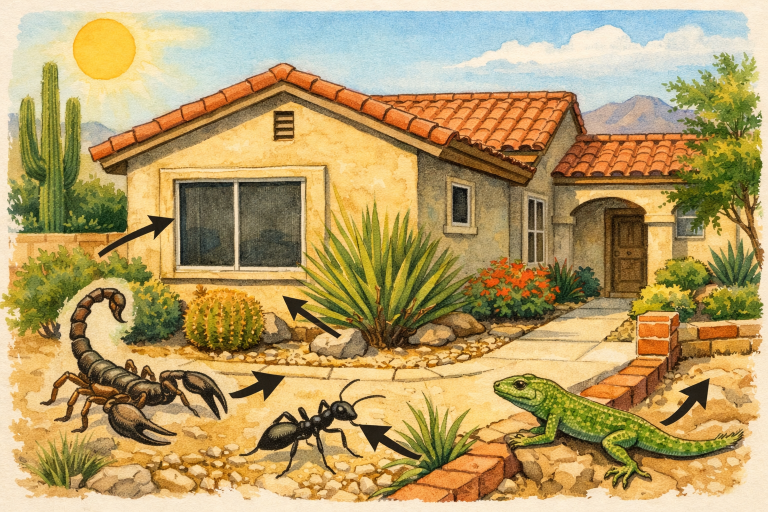
Encouraging or introducing beneficial predators into your landscape can be especially effective in Phoenix’s ecosystem. Ladybugs are voracious aphid-eaters and thrive in local gardens, while birds such as swallows and wrens are natural controllers of mosquitoes and other insects. Native lizards, notably the common Western fence lizard, also help manage insect populations and should be welcomed rather than removed.
Cautiously introducing predatory nematodes into soil can target pests such as grubs and certain types of termites, though it is important to select only non-invasive, locally adapted species to prevent disruption of native habitats. Always research compatibility with Arizona’s delicate desert biome before introducing any nonnative species.
DIY Solutions
Phoenix residents have developed many do-it-yourself pest control tricks that reflect the city’s self-reliant culture. Mixing vinegar and water creates an effective ant repellent for patios and baseboards. Diatomaceous earth, a mineral powder, can be sprinkled in crawl spaces or behind appliances to combat cockroaches and silverfish. Keep in mind that even natural solutions must be applied carefully, especially in homes with pets or young children.
For scorpion control, an especially Phoenix-specific concern, using sticky traps in garages and along baseboards can reduce populations over time. Homeowners are advised to wear gloves and use long tweezers when handling traps or clearing debris from the yard in order to avoid accidental stings.
When to Seek Professional Assistance
Despite best efforts at prevention and DIY management, some infestations may call for expert intervention. Persistent termite activity, large rodent incursions, or scorpion populations that seem impossible to manage can require specialized knowledge and equipment. When selecting a Phoenix pest control provider, look for those who use Integrated Pest Management or eco-friendly practices to protect your home and the environment. Many local companies now advertise green or least-toxic options tailored to Arizona’s needs, helping you maintain both peace of mind and environmental stewardship.
Conclusion
For Phoenix homeowners, choosing safe and sustainable solutions is not just smart, but necessary for the unique desert climate. By combining Integrated Pest Management, using natural repellents, establishing thorough physical barriers, and working with biological allies, you can keep your household protected without risking your family or the fragile Sonoran ecosystem. When needed, do not hesitate to consult a local professional who understands the intricacies of desert pest control so that you can enjoy a healthy, comfortable home year-round.






Leave a Reply
Cancel reply