


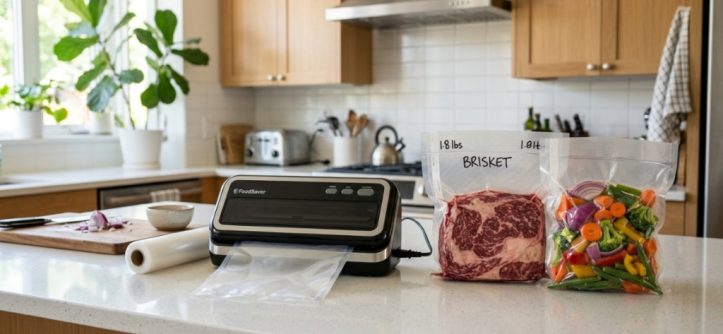
You buy beef in bulk from a local rancher in Lubbock, freeze fresh jalapeños from your garden in San Antonio, or stock up on Gulf shrimp when the price is right. But without a proper seal, your freezer turns into a science experiment. Freezer burn, lost flavor, and wasted money. The problem is real, and the solution is simpler than you think. Whether you are a hunter in the Hill Country or a meal-prepper in Houston, finding affordable vacuum sealers Texas families trust means knowing exactly what features matter for your climate and lifestyle. This guide walks you through every decision point so you buy the right machine the first time and never overspend.
What Makes a Vacuum Sealer Affordable Without Being Cheap?
An affordable vacuum sealer balances upfront cost with durability, performance, and long-term bag savings. Paying less than $50 often means weaker seals and higher bag waste, while spending over $200 adds luxury features you may never use.
Price Ranges and What to Expect
Under $60 models usually have manual operation, weaker motors, and require frequent resting between seals. Machines in the $70 to $120 range offer stronger suction, automatic sealing, and longer duty cycles. The sweet spot for most Texas households sits between $80 and $100.
Total Cost of Ownership
A cheap sealer that burns out in six months forces you to rebuy. Additionally, machines that don’t seal well waste bags. Calculate the cost of bags wasted per year (typically $10 to $25) and add that to the initial machine cost. This gives you the real price.
Feature Trade-Offs for Lower Prices
Affordable models often lack a pulse function for delicate foods like berries or bread, and they may have shorter sealing bars. However, most budget-friendly units still handle the bulk of common tasks: sealing meat, vegetables, and leftovers efficiently.
Which Features Actually Matter for Texas Homes?
Texas has diverse climates, from humid Coastal Bend regions to arid West Texas. Humidity affects how well bags seal, and heat impacts how long foods stay preserved. Focus on features that address these realities.
Moisture Handling Capability
Wet seal is the single most important feature for Texas kitchens. Juicy brisket, fresh tomatoes, and marinated meats release liquid. A machine without wet seal mode will suck liquid into the vacuum channel, ruining the seal. Look for a dedicated wet/dry switch or a removable drip tray.
Seal Width and Bar Quality
Narrow seal bars (under 2.5mm) are prone to leaking over time. A wider seal bar, around 3mm to 4mm, creates a stronger bond, especially important for heavier items like large roasts or whole chickens. Double seal lines add extra protection.
Duty Cycle and Motor Cooling
Texas summer kitchens get hot. A sealer with a short duty cycle (say, 30 seconds of use followed by 3 minutes of rest) will frustrate you when sealing 20 pounds of deer meat. Look for machines with at least a 30% duty cycle or active cooling fans.
How Do You Match a Vacuum Sealer to Your Specific Needs?
Your usage frequency and food type determine the best affordable model. A weekend griller needs different specs than a once-a-month bulk shopper.
For the Weekly Meal Prepper
If you seal chicken breasts, vegetables, and rice every Sunday, aim for a mid-range model with automatic bag detection and two seal modes. Prioritize ease of use over maximum suction power. A compact unit that stores easily in a drawer works well.
For the Hunter or Fisherman
Processing large quantities of game or fish demands a heavier-duty machine. Look for a model with a 12-inch or longer seal bar to accommodate large fillets or whole cuts. A pulse feature lets you vacuum delicate fish without crushing it.
For the Gardener or Farmer’s Market Shopper
Freezing blanched vegetables, fruits, and herbs requires precise moisture control. Choose a sealer with adjustable vacuum strength. High suction can turn soft produce to mush. A gentle vacuum mode plus wet seal function is ideal.
Can a Budget Vacuum Sealer Handle Sous Vide Cooking?
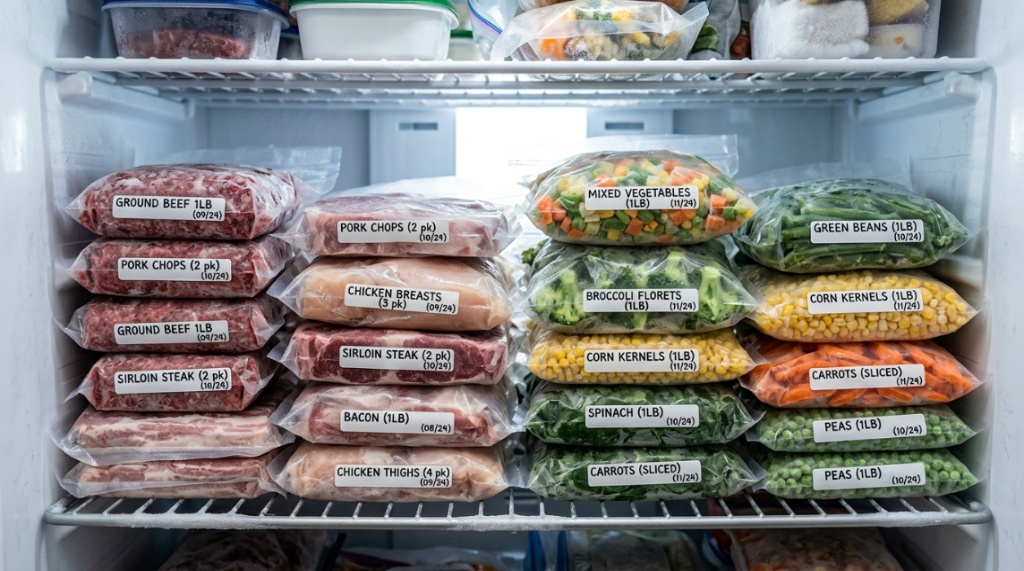

Yes, but with some limitations. Budget sealers under $100 can successfully seal sous vide bags as long as you follow proper technique. The main challenge is bag thickness and seal integrity under long, low-temperature cooking.
Required Bag Thickness for Sous Vide
Standard pre-cut bags sold for general vacuum sealing (typically 3-mil thickness) work fine for sous vide. However, cheap, thin bags (under 2.5-mil) may leak during extended cooks. Invest in at least 3-mil bags, or use rolls to cut custom lengths,
Investing in smart home appliances is one of the easiest ways to cut down on household expenses. Just like finding a budget-friendly way to preserve your food, choosing a quality Robot Vacuum for Pet Hair Without Wasting Money ensures your home stays clean without breaking the bank. Both tools focus on maximum efficiency for every dollar spent.
Sealing Wet Contents Safely
Marinated meats or items with added liquid require the wet seal function. If your budget sealer lacks a wet mode, freeze the liquid first or use a paper towel to absorb excess moisture before sealing. This prevents liquid from entering the machine.
Duty Cycle Consideration
If you seal multiple bags for a large sous vide batch, monitor your machine’s duty cycle. Overheating can cause weak seals that fail during a 24-hour cook. Let the machine rest after every 3 to 4 seals to maintain performance.
What Are the Common Mistakes When Buying a Cheap Vacuum Sealer?
Many shoppers focus solely on the lowest price and end up with a frustrating experience. Knowledge of these pitfalls saves you money and hassle.
Ignoring Bag Compatibility
Some ultra-cheap machines only accept proprietary bag rolls, forcing you to buy expensive refills. Always confirm if the machine works with universal bags. Most standard sealers use textured bags, but smooth bags require a different sealing system.
Skipping the Drip Tray
Machines without a removable drip tray are a nightmare to clean. Liquids inevitably end up in the vacuum channel, and without a tray, you have to disassemble the unit to wipe it out. This leads to mold, bad smells, and eventual breakdown.
Assuming All Seals Are Equal
A seal that looks strong right after closing can fail after a few days in the freezer. Test each new machine by sealing a bag with a damp paper towel inside and leaving it in the refrigerator for 24 hours. Check for air leakage or seal separation.
How Long Should an Affordable Vacuum Sealer Last?
With proper care, a well-chosen budget vacuum sealer lasts between 2 and 4 years. Cheaper plastic-gear models wear out faster, while those with metal gears or reinforced components extend lifespan significantly.
Maintenance Practices That Extend Life
Clean the drip tray after every use. Wipe the seal bar with a damp cloth to remove food particles. Store the machine with the lid slightly open to prevent gasket compression. Replace the foam gasket every 12 to 18 months if you use the machine heavily.
Signs of Impending Failure
When the vacuum pump struggles to remove air, or seals appear inconsistent (some tight, some loose), replacement time is near. A machine that requires manual pressure on the lid during sealing likely has a worn gasket or latch.
Warranty as a Quality Indicator
Manufacturers that offer a 2-year or longer warranty on budget models typically use better components. A 1-year warranty is standard but shorter than ideal for heavy use. Extended warranties from retailers can be worthwhile for machines under $80.
Which Bag Material Delivers the Best Value Over Time?
Bag cost per seal often exceeds the machine’s price within a year. Choosing the right bag type and size reduces ongoing expenses significantly.
Rolls vs. Pre-Cut Bags
Rolls offer more flexibility and less waste because you cut custom lengths. Pre-cut bags are convenient but often cost 30 to 50 percent more per seal. For frequent users, rolls are the clear economic winner.
Thickness and Durability
Standard 3-mil bags (2-ply) work well for most foods. Thicker 4-mil or 5-mil bags resist punctures better from sharp bones or frozen edges. However, thicker bags require a stronger machine to seal completely, so check your sealer’s compatibility.
Reusable Bag Options
Some budget-friendly reusable vacuum bags are available, but they seal less reliably than disposable types. For long-term freezer storage, stick with disposable high-quality bags. Use reusables for dry pantry items or short-term refrigerator storage.
Are There Differences Between Countertop and Handheld Sealers?
For Texas households doing bulk storage, countertop sealers are almost always the better choice. Handheld models serve niche roles but lack the power and seal quality for serious food preservation.
When a Handheld Makes Sense
Handheld sealers work well for snacks, leftover containers, or when you travel. They are compact and cost between $20 and $40. However, they cannot seal bags larger than about 12 inches wide, and the seals are generally weaker.
Countertop Advantages for Texas Living
Countertop models handle 8-inch or 11-inch wide bags, seal more reliably, and include features like wet/dry modes and adjustable suction. They also have larger vacuum motors capable of extracting air from bags filled with dense or irregular items.
Storage Considerations
If kitchen counter space is tight, look for a countertop model with vertical storage capability or one that mounts under cabinets. Some budget models are compact enough to fit in a deep drawer.
Where Should You Prioritize Your Budget?
Not all features are created equal. Allocate your budget toward the components that directly impact performance and longevity rather than frills.
Invest in Motor and Pump Quality
The vacuum pump is the heart of the machine. A stronger pump (measured in inches of mercury, Hg) removes more air, leading to better preservation. Look for at least 15 inches Hg for adequate performance; 20 inches Hg or higher is excellent.
Skip Digital Displays and Presets
Touchscreens and food presets (e.g., button for meat, button for vegetables) add cost but rarely improve results. Manual controls with a simple vacuum and seal button are more reliable and easier to repair. Save money by choosing analog controls.
Prioritize Build Materials
Plastic housings are fine, but check for metal-reinforced hinges and latch mechanisms. These parts experience the most stress. A broken latch renders the machine useless, so reinforced construction is worth extra dollars.
For many Texas families, the ideal balance of price and performance lies in mid-range models that include wet seal capability, a removable drip tray, and a 12-inch seal bar. These machines typically cost between $70 and $110 and provide reliable service for years. If you are ready to compare specific models that meet these criteria, explore this curated list of affordable vacuum sealers Texas shoppers recommend.
Frequently Asked Questions
Can I use any bag with my vacuum sealer?
Most budget sealers work with standard textured vacuum bags available at grocery stores or online. However, some ultra-cheap models require proprietary bags with specific ridges. Always check the product manual before buying bags in bulk.
How do I clean a vacuum sealer without damaging it?
Unplug the machine. Wipe the exterior with a damp cloth. Remove and wash the drip tray with warm soapy water. Use a soft brush to clean the seal bar and gasket. Never submerge the base in water.
Why does my vacuum sealer not seal wet foods properly?
Liquid in the seal area prevents proper adhesion. Use the wet seal function if available, or freeze liquid foods for 30 to 60 minutes before vacuum sealing. A folded paper towel at the top of the bag also absorbs excess moisture.
Is a more expensive vacuum sealer always better?
Not always. Expensive machines add features like built-in bag cutters, multiple preset modes, and stronger motors. But a well-chosen mid-range model performs 90% of the same tasks reliably. Evaluate your actual usage before upgrading.
How many bags can I seal in one session?
Check your machine’s duty cycle. Most budget models allow 5 to 8 seals before needing a 3-minute rest. For large batches, alternate between two machines or take frequent breaks to prevent overheating.
Can vacuum sealers be repaired?
Some common issues like a faulty seal bar or worn gasket are repairable with replacement parts. However, pump failure in budget machines often costs more to fix than replacing the unit. Minor repairs are worth attempting for machines under warranty.
Does altitude affect vacuum sealing?
Higher altitudes can reduce vacuum pump efficiency because of lower atmospheric pressure. If you live in mountainous parts of West Texas (above 4,000 feet), consider a machine with a higher maximum vacuum rating (20 inches Hg or above) to compensate.




Leave a Reply
Cancel reply