

If you share your home with a furry friend, you already know the struggle. Pet hair ends up everywhere — on the sofa, the carpet, and somehow even your dinner plate. A robot vacuum can be a real game-changer. However, with hundreds of models on the market, choosing the right one is not always easy. This guide will help you make a smart decision without spending more than you need to.
Why Pet Hair Makes Vacuuming So Hard
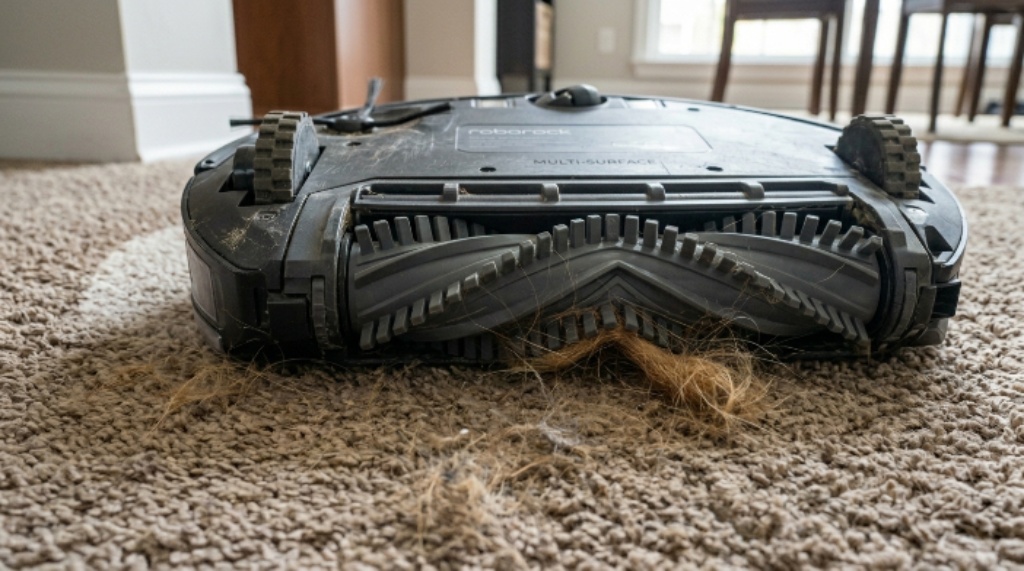
Pet hair behaves differently from regular dust and debris. It clings to carpet fibers, wraps around brush rolls, and floats back into the air if not captured properly. Short hair from dogs like Labradors spreads across hard floors, while long cat hair tends to tangle in rollers and clog filters fast.
Additionally, pet dander — the tiny skin flakes that come with pet hair — can trigger allergies. So a vacuum that only picks up visible hair but misses dander is not doing the full job. You need a machine that handles both. This is where the right automatic vacuum for pets truly makes a difference.
Key Features to Look for in a Robot Vacuum for Pets
Not all robot vacuums are created equal. Some are built for light daily cleaning. Others are designed to handle the relentless shedding of a golden retriever. Here are the features that matter most.
Strong Suction Power
Suction is measured in Pascals (Pa). For pet hair, look for at least 2,000 Pa. Models with 3,000 Pa or more will handle thick carpet much better. However, more suction usually means more noise and faster battery drain. Balance your needs with your home type.
Tangle-Free or Anti-Wrap Brush Rolls
Traditional bristle brush rolls are a nightmare for long pet hair. They wrap hair around the roller, which means you have to clean it manually every few days. Look for rubber brush rolls or “anti-tangle” designs. These flick hair into the dustbin instead of trapping it on the roller. This feature alone can save you hours of frustration every month.
HEPA or High-Grade Filtration
A vacuum that only traps hair but releases dander back into the air is actually making your allergy situation worse. HEPA filters capture particles as small as 0.3 microns. Therefore, they trap pet dander, pollen, and fine dust effectively. Always check whether the filter is washable or needs replacement, since replacement filters add to the long-term cost.
Large Dustbin Capacity
Homes with multiple pets or heavy shedders need a larger dustbin. A 0.3-liter bin fills up fast and requires frequent emptying. Aim for at least 0.5 liters. Better yet, consider a model with an auto-empty base station. These units empty the bin into a sealed bag automatically, so you only need to deal with the bag every few weeks.
Smart Navigation and Mapping
A robot vacuum that bumps around randomly will miss spots and waste battery. Models with LiDAR (laser-based) or camera-based navigation create a map of your home. This allows the vacuum to clean in neat, efficient rows. Additionally, smart mapping lets you set no-go zones — useful for keeping the vacuum away from pet bowls or toys.

Understanding Price Tiers
Robot vacuums range from under $150 to well over $1,000. Here is a simple breakdown to help you decide where your money goes.
Budget Models ($100–$250)
These are fine for hard floors with light shedding. They typically use random navigation and smaller bins. Filtration is basic. They will pick up surface hair but may miss embedded carpet hair. If you have one small, low-shedding pet and mostly hard floors, this range can work.
Mid-Range Models ($250–$500)
This is the sweet spot for most pet owners. You get better suction, rubber brush rolls, improved filtration, and basic smart navigation. Many models in this range also offer app control and scheduling. These are solid choices for medium-shedding pets on a mix of carpet and hard floors.
Premium Models ($500–$1,000+)
These models offer the best of everything — powerful suction, full home mapping, self-emptying bases, and sometimes mop functions. They are ideal for multi-pet homes or anyone with thick carpet. However, they are not necessary for everyone. Consider whether the extra features justify the cost before you buy.
Pet Hair Cleaning Tips to Get the Most From Your Robot Vacuum
Owning a robot vacuum does not mean forgetting about cleaning entirely. A few simple habits will help your machine work much more effectively.
- Run the vacuum daily or every other day. Frequent short runs prevent hair from building up and embedding into carpet fibers.
- Brush your pet regularly. Reducing loose hair at the source is one of the most effective pet hair cleaning tips you can follow. Less hair on the floor means less work for your vacuum.
- Clean the brush roll and filter weekly. Even the best anti-tangle roller collects some hair. A quick clean keeps suction strong.
- Clear the floor before each run. Pick up toys, charging cables, and small objects. These can jam the vacuum or cause it to get stuck.
- Use virtual boundaries. Most smart models let you create no-go zones in the app. Use these to protect areas where the vacuum tends to get stuck or where your pet sleeps.
How Smart Home Cleaning Changes the Game
Integrating your robot vacuum into a smart home cleaning routine is easier than ever. Most mid-range and premium models connect to apps via Wi-Fi. You can schedule cleaning while you are at work, check the cleaning map from your phone, and even start a quick clean with a voice command through Alexa or Google Assistant.
Some advanced models detect high-traffic areas and clean them more thoroughly. Others track their own maintenance needs and notify you when the filter is dirty or the bin is full. This level of automation means cleaner floors with less effort on your part.
Common Mistakes to Avoid
Many buyers regret their robot vacuum purchase not because the product is bad, but because they chose the wrong model for their needs. Here are a few traps to avoid.
Buying based on brand alone is a common mistake. A premium brand name does not always mean the best performance for pet hair specifically. Always check third-party reviews focused on pet homes.
Ignoring ongoing costs is another pitfall. Replacement filters, bags for self-emptying bases, and brush rolls add up. Factor these into your budget before you decide.
Choosing a model that cannot handle your floor type is also a frequent error. Some vacuums excel on hard floors but underperform on high-pile carpets. Check the manufacturer’s specifications for your specific flooring.
Conclusion
Picking the right robot vacuum for pet hair comes down to a few key factors: suction power, brush roll design, filtration quality, and smart navigation. You do not need to spend a fortune to get a machine that works well. However, spending a little more to get rubber brush rolls and HEPA filtration is often worth it for pet owners.
Following basic pet hair cleaning tips — like daily runs and regular pet brushing — will help your vacuum perform at its best. An automatic vacuum for pets is not a luxury anymore. It is a practical tool that saves time and keeps your home healthier. With smart home cleaning technology advancing rapidly, today’s options are more capable than ever. Take your time, match the features to your needs, and you will find a vacuum that works hard so you do not have to.
Frequently Asked Questions
- What suction power is best for pet hair on carpets? For carpets, aim for at least 2,500 Pa of suction. High-pile carpets benefit from 3,000 Pa or more. This ensures the vacuum pulls hair from deep within the fibers rather than just skimming the surface.
- Do robot vacuums really help with pet allergies? Yes, but only if they include a HEPA or high-grade filter. These filters capture pet dander and fine particles that trigger allergies. A basic filter will pick up visible hair but release dander back into the air.
- How often should I run a robot vacuum in a home with pets? Daily runs are ideal for homes with moderate to heavy shedders. If your pet sheds lightly, every other day is usually enough. Frequent short runs are more effective than infrequent long ones.
- Are self-emptying robot vacuums worth the extra cost for pet owners? For most pet owners, yes. A self-emptying base means the dustbin empties automatically after each run. This is especially useful for heavy shedders, since a small bin fills up quickly and reduces suction if not emptied.
- Can robot vacuums handle both pet hair and hard floors? Most mid-range and premium models handle both well. Rubber brush rolls are particularly effective on hard floors because they do not scatter hair. Look for a model that adjusts automatically between floor types for the best results.
Related Topics:




Leave a Reply
Cancel reply