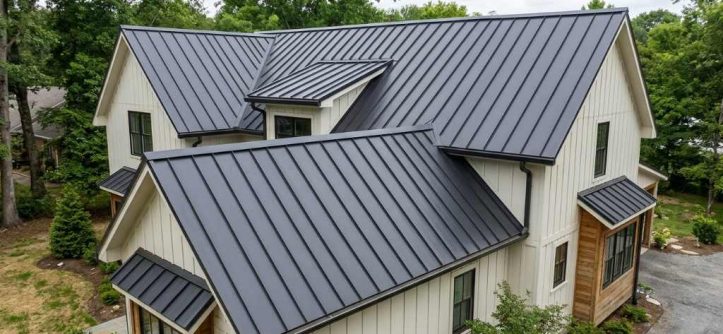
Standing seam metal roof panels perform best in coated Galvalume steel for most homes. Choose 24 gauge for hail or wind zones, and 26 gauge for simple roofs. Aluminum suits coastal homes, while copper suits premium builds. A PVDF paint finish protects the look for decades.
Panels vary more than most buyers expect, and quality differences hide in small details. Metal, thickness, coating, and forming method all change the result. This guide breaks down each factor so you can compare quotes with confidence. You will also learn how to spot weak products before you pay.
Anatomy of a Panel
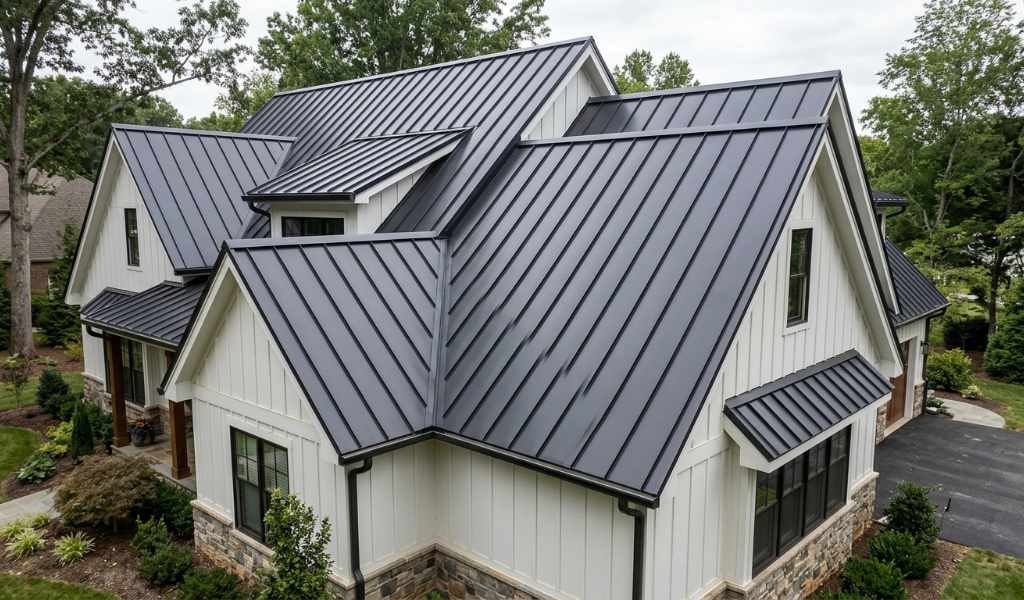
Every panel has the same basic parts. The flat pan carries water downhill. Raised ribs on both edges form the seam.
A clip channel or seam leg holds the hidden clip. Some panels add small stiffening ribs in the pan. Those ribs reduce waviness in bright light.
Different seam profiles change how panels lock, so match them to your slope. Understanding these parts also helps you read spec sheets. Good suppliers explain each one without hesitation.
Steel, Aluminum, Copper, and Zinc Compared
Four metals dominate the market. Each brings clear strengths and tradeoffs:
- Galvalume steel: Strong, affordable, and widely available.
- Galvanized steel: Costs slightly less but resists corrosion less in wet regions.
- Aluminum: Rust-proof and light, though it dents more easily and costs more.
- Copper: Offers a premium look and a natural patina at a far higher price.
- Zinc: Develops a protective patina and lasts long, but needs skilled seaming.
Most homeowners choose Galvalume. A standing seam metal roof in Galvalume steel often lasts 40 to 60 years. Coastal buyers should lean toward aluminum, since salt air attacks lesser metals.
Gauge and Thickness in Plain Language
Gauge measures metal thickness, and lower numbers mean thicker panels. Residential steel usually comes in 24 or 26 gauge. Thicker metal costs more but resists dents better.
Thin panels show waves more easily and flex more in strong wind. Therefore, pick 24 gauge for large flat areas and hail regions. Choose 26 gauge for simple roofs in mild climates.
Aluminum panels use decimal thickness, such as 0.032 or 0.040 inch. Ask for the exact figure in writing. Vague answers often hide thinner metal.
Roll-Formed on Site or Factory-Made?
On-Site Roll Forming
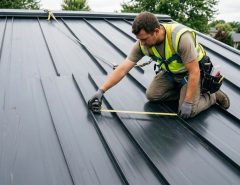
A crew can bring a roll-forming machine to your driveway. The machine shapes coil stock into panels at the exact length. That removes shipping limits and reduces splices.
Factory-Made Panels
Shops form panels in controlled conditions. They deliver consistent quality, but trucks limit panel length. Long roofs may need extra laps.
Both methods can work well. Choose based on roof length, crew experience, and local availability. Ask to see sample panels from either source.
Coatings and Warranties on the Panel
Paint systems protect both the metal and the color. PVDF coatings resist fading and chalking for decades. SMP coatings cost less but fade sooner.
Compare paint system options carefully before you buy. Check the finish warranty length and its fade limits. Also confirm who honors the warranty.
Two warranty types matter most:
- Finish warranty: Often 30 years or more on quality PVDF paint.
- Weathertightness warranty: Usually shorter, and often tied to certified installers.
How to Judge Panel Quality Before Signing
Good suppliers prove quality with paperwork and samples. Use this checklist:
- Mill certification: Ask for coil documentation and coating specs.
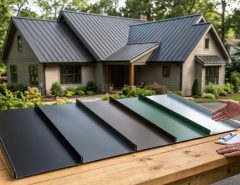
- Sample panel: Look for flat pans, crisp bends, and smooth edges.
- Coating data: Confirm PVDF content and film thickness.
- Wind and fire ratings: Look for tested assemblies, not generic claims.
- Clip design: Quality clips allow movement without rattling.
- Fastening rules: Ask how the panels get fastened and installed.
Reputable suppliers share this paperwork readily. Hesitation or vague answers deserve caution. Walk away from unknown brands with no data sheets.
Ready to Choose Your Panels?
Start with your climate, then match the metal and gauge. Request samples and written specs from at least two suppliers. Then compare coatings, warranties, and forming methods side by side.
Order nothing until the paperwork looks solid. For the full picture of how every part fits together, read the complete homeowner guide. Choose panels you can trust for decades.
Frequently Asked Questions
What is the best metal for roof panels?
Galvalume steel suits most homes, while aluminum suits coastal areas.
What gauge should I choose?
Choose 24 gauge for hail and wind zones, and 26 gauge for simple roofs in mild climates.
How long do roof panels last?
Most steel panels last 40 to 60 years, depending on climate and care.
Are roll-formed panels better than factory panels?
Neither wins outright, since quality depends on the maker and the crew.
Can I buy panels without an installer?
Yes, but warranties often require certified installation.

Leave a Reply