
A fresh lawn mower spark plug once each season keeps most mowers starting on the first pull. You also replace the plug sooner whenever starting or running problems appear. This guide explains the symptoms, plug reading, gap checks, and safe replacement steps.
A fresh plug restores strong ignition and supports clean, efficient combustion. Regular care under lawn mower repair and maintenance keeps small problems from becoming major repairs. However, manuals vary by model, so you must confirm every specification before working.
For example, a fouled plug often causes hard starting, misfires, and lost power. You can inspect, gap, and replace the plug with basic hand tools. Additionally, careful plug reading reveals valuable clues about overall engine health.
Signs of a Worn or Fouled Lawn Mower Spark Plug
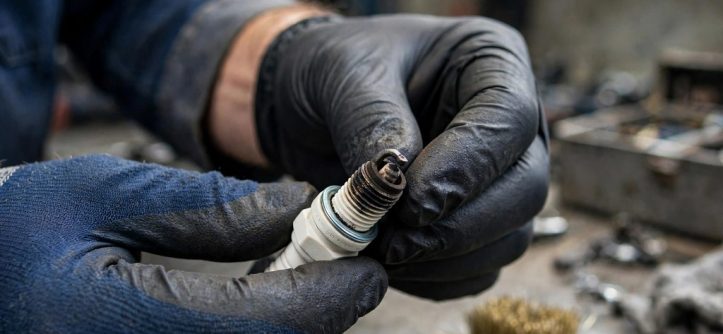
First, watch how the engine starts and runs during every mowing session. A healthy plug delivers a strong spark and supports smooth, steady power. Conversely, a worn plug weakens ignition and disrupts combustion under load.
Moreover, the engine may hesitate when you start cutting thick grass. Black exhaust smoke also hints at incomplete combustion and wasted fuel. You therefore treat early symptoms seriously and inspect the plug promptly.
- Hard starting: Additionally, the engine needs repeated pulls before it fires.
- Rough idling: The engine also surges, sputters, or stalls during normal cutting.
- Lost power: The mower then bogs down quickly in thick or tall grass.
- Higher fuel use: The engine still burns extra fuel while delivering weaker performance.
- Visible damage: Cracks, heavy deposits, or rounded electrodes clearly signal immediate replacement.
Meanwhile, similar symptoms can point toward stale fuel or a clogged filter. You should therefore check why a mower won’t start before you blame the plug alone. Still, plug inspection costs little time and often confirms the real fault.
When Replacement Timing Makes Sense
Most manufacturers recommend one fresh plug at each season start. Many manuals also pair that timing with roughly 25 to 100 running hours. However, heavy use, dusty yards, and frequent short runs shorten plug life.
You should inspect the plug whenever performance drops, regardless of the schedule. For example, repeated fouling signals another fault, and replacement alone cannot cure it. Consequently, you protect the engine when you fix causes alongside the plug.
Additionally, seasonal replacement pairs naturally with fresh oil and filter checks. You build a simple routine and avoid midseason breakdowns during peak growth. Still, condition always outranks calendar dates when you decide about replacement.
How to Read the Old Lawn Mower Spark Plug
The old plug tells a useful story about combustion, fuel, and oil control. You should therefore compare color, deposits, and electrode shape before discarding it. Additionally, each pattern below points toward a different next maintenance step.
Normal Wear and Healthy Color
A healthy plug shows light tan or gray brown coloring on the insulator. The electrodes also keep fairly sharp edges and show only mild erosion. Still, normal color never guarantees correct gap or strong spark strength.
Carbon Fouling and Oil Fouling
Dry black soot usually indicates carbon fouling on the firing end. A dirty air filter, rich mixture, or prolonged idling often causes that buildup.
- Carbon fouling: The plug also feels dry and shows soft black deposits.
- Oil fouling: Wet black oil instead coats the electrodes and insulator tip.
- Serious wear: Cracked porcelain or melted electrodes then demand immediate plug replacement.
Oil fouling deserves extra attention because oil should never enter combustion spaces. You should also change lawn mower oil on schedule and investigate repeated oil fouling promptly. However, simple cleaning rarely restores a worn or heavily fouled plug fully.
Furthermore, a white blistered insulator often signals overheating inside the cylinder. You should then check cooling fins, oil level, and fuel delivery carefully. Meanwhile, gray ash deposits usually reflect fuel additives or oil burning gradually.
How to Check and Set the Electrode Gap
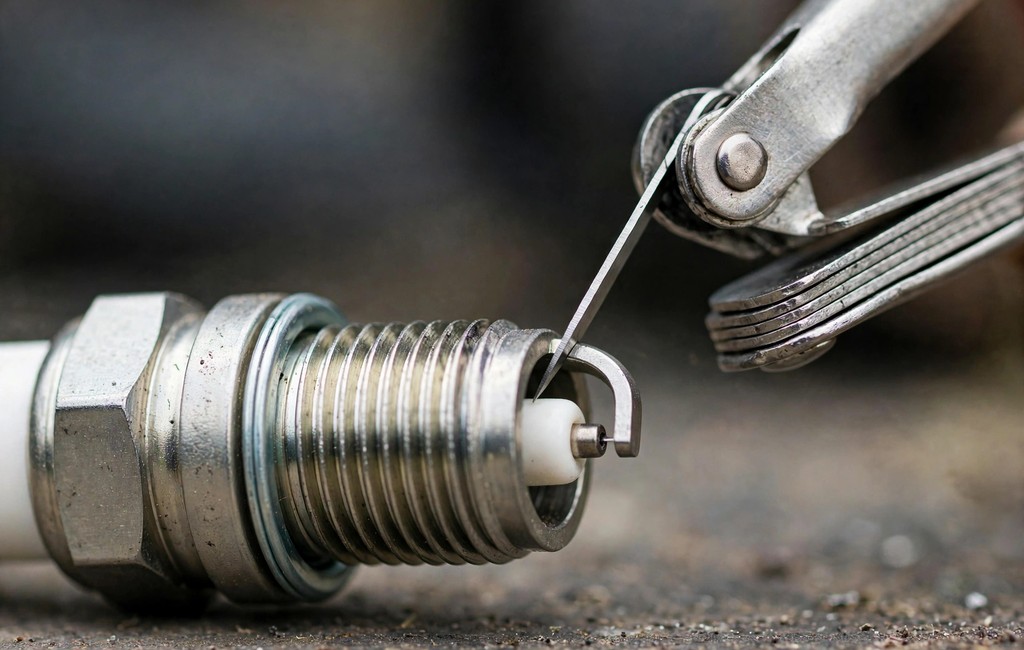
The gap measures the tiny distance between center and side electrodes. A correct gap produces a strong spark and supports complete fuel burning. Conversely, wide gaps cause misfires, and narrow gaps produce weak sparks.
First, slide a feeler gauge blade gently between the two electrodes. The correct blade should pass with slight drag and no forced pressure. Typical small engine gaps often measure about 0.020 to 0.030 inches.
You adjust the gap by bending only the side electrode very carefully. You then recheck the measurement after every small bend or gentle tap. However, you must confirm the exact gap figure in your manual first.
Moreover, worn electrodes widen the gap gradually and weaken spark energy. You therefore replace heavily eroded plugs instead of regapping them repeatedly. Finally, you record the correct gap and check it every season. A spare lawn mower spark plug in the toolbox prevents a lost mowing day.
How to Replace the Lawn Mower Spark Plug Step by Step
You need a spark plug socket, a ratchet, and a feeler gauge. You also need the correct replacement plug type for your specific engine. Finally, you need patience because rushed threading damages the cylinder head.
Remove the Old Plug Safely
- Cool first: You let the engine cool fully before touching the plug.
- Disconnect the wire: You then pull the boot straight off the terminal.
- Clear debris: You also brush dirt away from the plug base carefully.
- Loosen the plug: You turn the socket counterclockwise and lift the plug out.
You keep the plug wire clear while testing or cranking the engine. Additionally, you keep loose tools and fingers away from moving parts.
Install the New Plug Correctly
- Gap first: You check and set the new plug gap before installation.
- Thread by hand: You thread the new plug by hand first and avoid cross-threading damage.
- Tighten gently: You then snug the plug without excessive force or overtightening.
- Reconnect the boot: You finally push the wire boot firmly onto the terminal.
Next, you start the engine and listen for smooth, steady running. You also watch for misfires, rough idling, or sudden stalling afterward. However, persistent trouble signals another fault, and you should investigate further.
Afterward, you mow a short strip and confirm steady power under load. You also note the date and keep the old plug for comparison. Consequently, future inspections become faster, easier, and far more accurate overall.
Frequently Asked Questions
How often should I replace my lawn mower spark plug?
You should replace the plug each season or sooner whenever symptoms appear.
What are the signs of a bad lawn mower spark plug?
Hard starting, misfires, rough idling, and lost power typically signal plug trouble.
Can I clean a spark plug instead of replacing it?
You can clean light carbon briefly, but replacement restores performance more reliably.
What gap should a lawn mower spark plug have?
Typical small engine gaps measure about 0.020 to 0.030 inches, so confirm yours.
Why does my new spark plug keep fouling quickly?
Repeated fouling usually signals dirty filtration, rich fuel delivery, or oil leakage problems.
Conclusion
Overall, timely plug replacement protects starting, power, fuel use, and engine life. You gain the best results when you inspect, gap, and install carefully. Check your plug this week and replace it before problems strand you. Record the lawn mower spark plug gap in your service notes for next season.




Leave a Reply