
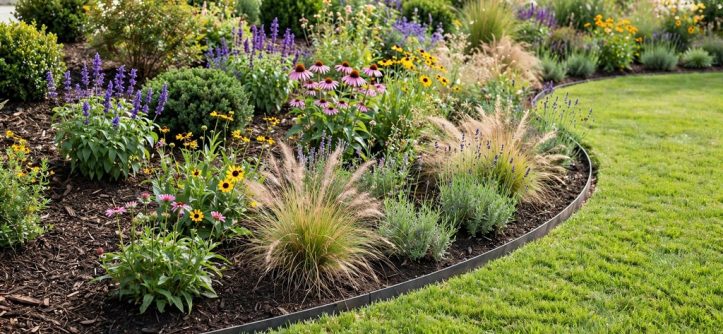
Metal edging for garden beds creates a slim, firm line between soil and surrounding surfaces. It separates mulch, gravel, grass, and pathways while keeping planting areas tidy and clearly defined. Gardeners use metal strips around flowers, shrubs, and vegetables for neat, lasting borders.
Additionally, metal edging resists rot, cracking, and insect damage better than many softer border materials. Its narrow profile keeps attention on plants rather than on the border itself. For example, a thin steel strip can outline a curved bed without dominating nearby blooms. Meanwhile, it also guides mowing, watering, and routine garden care along clear edges.
Why Metal Edging Defines Garden Bed Boundaries
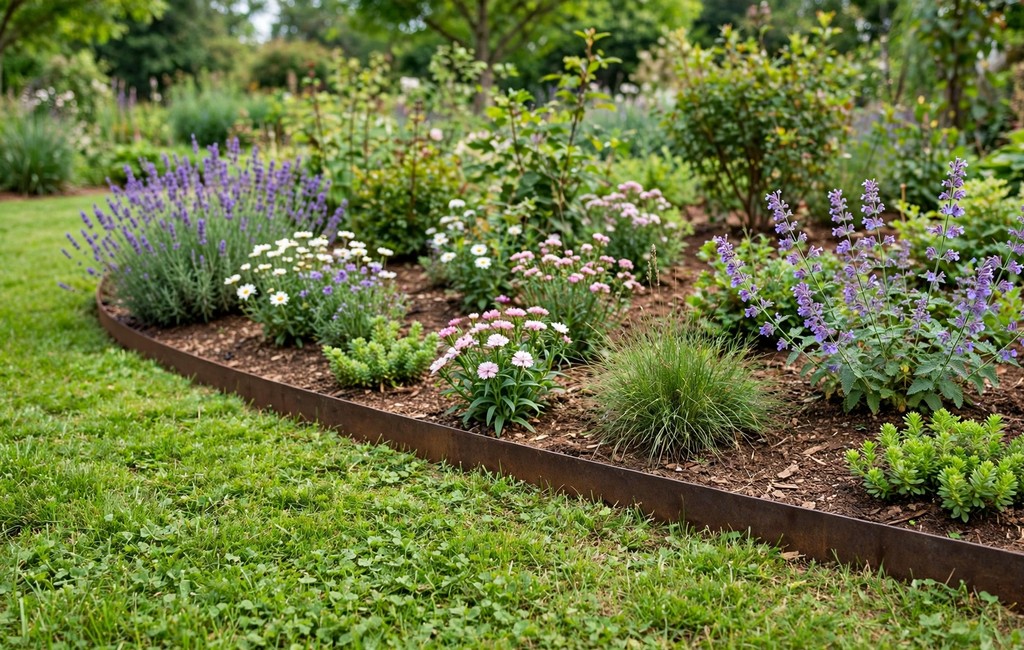
Garden bed boundaries work best when one clear edge separates growing soil from lawn and paths. For a broader overview, explore metal garden edging and its role in shaping tidy planting areas. That overview helps you place bed edging within a wider landscape plan.
First, a firm metal edge stops grass roots from creeping into flower beds. Next, it holds mulch and gravel in place during watering, wind, and foot traffic. As a result, beds keep their shape, plants receive cleaner growing space, and paths stay clearer.
Additionally, metal edges protect tender stems from mower wheels and trimmer lines. They also separate different planting zones within larger beds and borders. For example, one strip can divide herbs from flowers without building a wall.
Common Types of Metal Edging for Garden Beds
Steel edging offers strong support for straight borders, gravel paths, and busy garden routes. Galvanized steel carries a protective zinc coating that helps resist rust in damp soil. Powder-coated steel adds color while shielding the metal surface from weather and wear.
- Steel strips: They hold firm lines beside lawns, paths, and raised beds.
- Aluminum strips: They bend easily around curves, tree rings, and soft planting shapes.
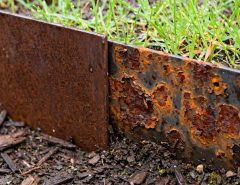
- Weathering steel: It develops a warm patina that suits natural and rustic garden styles.
- Copper strips: They bring a warm tone that changes gently with age and weather.
Additionally, aluminum suits damp ground because it resists corrosion without heavy coatings. However, aluminum bends more easily than steel under strong pressure from mowers or feet. Similarly, weathering steel suits gardeners who enjoy a natural, evolving surface finish.
Measure border lengths carefully before ordering strips, stakes, and joining pieces. Additionally, compare strip thickness, top edge shape, and fixing systems before choosing. A rounded top edge feels safer beside paths, play areas, and busy walkways.
Planning Neat Borders Around Flowers and Shrubs
Start planning by walking each bed and noting curves, corners, and nearby pathways. Next, mark the border line with string, rope, or a garden hose. This simple outline reveals awkward turns before you cut or shape any metal.
For example, a gentle curve around shrubs looks softer than a sharp corner. In contrast, straight edges suit formal beds, vegetable rows, and modern planting designs. Meanwhile, leave room for plant growth so foliage does not press against the metal.
How to Install Metal Edging in Garden Beds
Prepare the Border Line
First, clear grass, weeds, and loose debris from the marked border line. Next, dig a shallow trench along the line for the edging strip. Keep the trench narrow so soil supports the strip on both sides.
Set and Secure the Strips
Place each strip in the trench with its top slightly above finished soil level. Additionally, join strips tightly so gaps do not weaken the border line. Drive stakes or spikes through the fixing points and tap them firmly into place.
Shape Curves and Corners
Bend flexible strips slowly around curves to avoid kinks and sharp folds. For example, bend a strip around a sturdy board for a clean corner angle. Similarly, check the line from several angles before you backfill the trench.
Finish the Surface
Backfill soil firmly against both sides and press it down evenly. Next, spread mulch or gravel inside the bed up to the edging line. Finally, step back and adjust any strip that sits unevenly or leans outward.
Caring for Metal Edging Garden Beds Through the Seasons
Inspect edging after heavy rain, frost, or strong winds for loose stakes. Additionally, push leaning strips back into line and tighten any loose fixings. Clear soil, leaves, and mulch from the top edge so the line stays visible.
For example, rinse coated steel gently to remove mud and garden debris. However, avoid harsh brushes on powder-coated surfaces because scratches expose bare metal. Meanwhile, trim grass along the edge carefully so trimmers do not dent thin strips.
Check joints after seasonal soil movement and refasten any strip that shifts. Additionally, replace bent or damaged sections promptly to protect the border line. For example, a single damaged strip can let mulch spill onto nearby paths.
Choosing the Right Height and Finish
Choose a taller strip for loose gravel, deep mulch, or sloped planting areas. In contrast, a lower strip suits flat lawns and subtle borders around small beds. Match the finish to nearby stone, timber, planting colors, and garden structures.
For example, dark coated steel blends quietly beside paths and modern planting schemes. Similarly, a warm patina complements brick, timber, and natural stone features. Additionally, check drainage near the border so water does not pool against metal.
Test a short sample strip beside plants before committing to a full border. Additionally, view the finish in daylight and shade to judge its true appearance. This simple test prevents mismatched finishes across larger garden beds.
Frequently Asked Questions
Does metal edging stop grass from entering garden beds?
Yes, a firm metal barrier blocks creeping grass roots from garden beds.
How long does metal garden edging last?
Its lifespan depends on material, coating, drainage, and routine garden care.
Can metal edging follow curved garden beds?
Yes, flexible strips bend gently around curves, circles, and soft planting shapes.
Does metal edging rust in damp gardens?
Coated steel and aluminum resist rust, while weathering steel forms protective patina.
Is metal edging safe around children and pets?
Choose rounded top edges and secure strips firmly to reduce sharp edge risks.
Conclusion
Metal edging gives garden beds a clean frame, firm soil control, and lasting structure. Choose a material that suits your soil, planting style, and garden design. Plan your border line today, install your strips carefully, and enjoy tidier beds.

Leave a Reply