
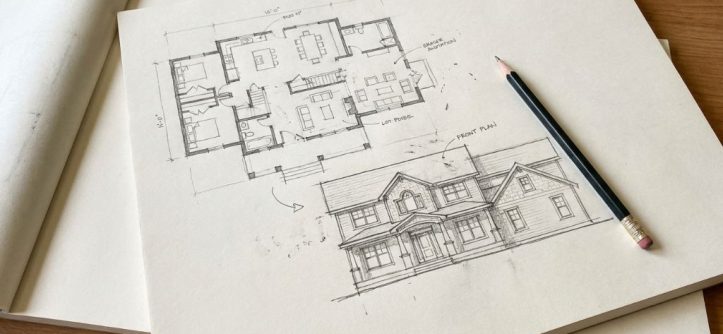
The custom home design process moves through eight clear stages: pre design, schematic design, design development, construction documents, permitting, contractor selection, construction, and final walkthrough. Each stage builds directly on the one before it. Skipping any step usually creates delays and added cost later.
Building a custom home feels overwhelming without a clear roadmap. Many first time homeowners assume the process starts with drawing floor plans. In reality, it starts much earlier with your lot and your budget.
Understanding each stage in advance helps you plan realistically. It also helps you spot problems before they become expensive. This guide breaks down every step so you know exactly what to expect.
What Is The Custom Home Design Process
The custom home design process is the full journey from first idea to finished house. It covers design, approvals, and construction in sequence. Every stage depends on decisions made in the one before it.
Unlike buying an existing home, nothing here is instant. Each phase takes real time to complete properly. Rushing any single stage often causes costly rework later.
Step One: Pre Design And Site Analysis
Pre design starts with studying your lot carefully. An architect reviews sun exposure, soil conditions, and drainage patterns. They also check local zoning rules and setback requirements.
This stage also includes an honest budget conversation. You discuss total spending limits and must have priorities. Skipping this conversation early often leads to painful surprises later.
Step Two: Schematic Design
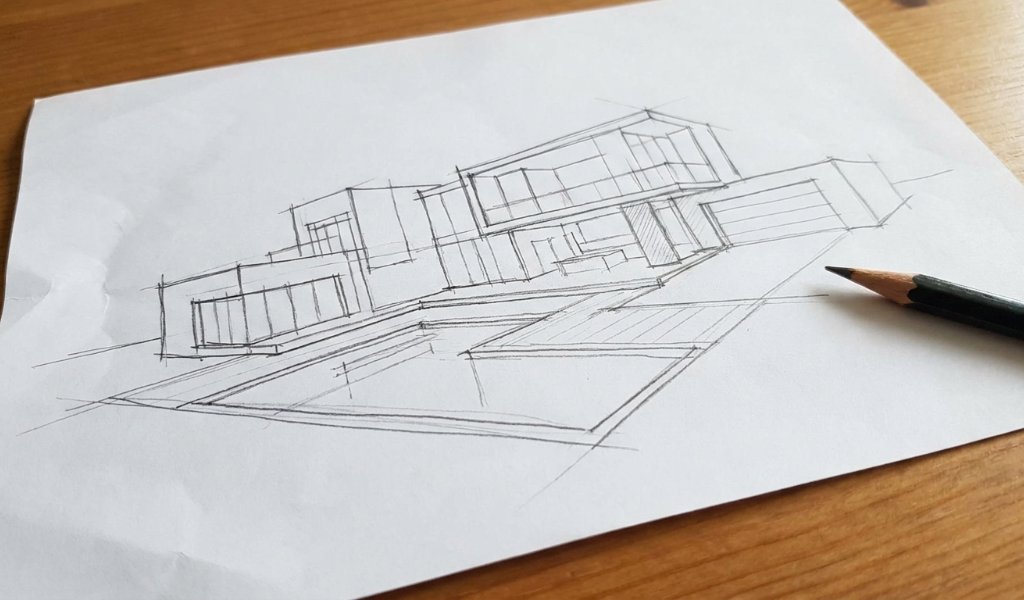
Schematic design shapes the big picture of your home. Your architect sketches rough layouts and basic room relationships. You might see simple diagrams rather than detailed drawings.
This is the easiest stage to make changes. Adjustments here cost very little compared to later stages. Spending extra time now genuinely pays off throughout the project.
Step Three: Design Development
Design development turns rough sketches into specific plans. Room dimensions, window placement, and structural ideas all get finalized. Material and system choices also begin during this phase.
Your budget gets tested more seriously at this point. Costs become clearer as details solidify on paper. Catching budget issues now avoids larger problems during construction.
Step Four: Construction Documents
Construction documents are the detailed instructions your builder will follow. These include framing plans, electrical layouts, and plumbing diagrams. Structural and mechanical engineers often contribute heavily here.
This stage feels less exciting than earlier design work. However, its accuracy directly affects construction quality and cost. Clear, complete documents prevent confusion once building begins.
Step Five: Permitting
Permitting involves submitting your plans to the local building department. Reviewers check your design against code and zoning requirements. Timelines vary widely depending on your specific location.
Simple designs in efficient areas may clear quickly. Complex designs or busy departments can take considerably longer. Building flexibility into your schedule helps manage this uncertainty.
Step Six: Contractor Selection And Bidding
Once permits move forward, you begin selecting a contractor. You either collect bids from multiple builders or finalize pricing with one already chosen. This stage often reveals real world construction costs.
Bids sometimes come back higher than early estimates suggested. This may trigger value engineering to control costs. Adjusting finishes or simplifying details can help close that gap.
Step Seven: Construction
Construction follows a fairly predictable order from start to finish. Work begins with site preparation and foundation work. Framing, roofing, and rough mechanical systems follow afterward.
Interior work like insulation, drywall, and finishes comes next. This stage typically lasts between eight and eighteen months. Larger or more complex homes often take longer to complete.
Step Eight: Final Walkthrough And Move In
Before moving in, you complete a final walkthrough with your contractor. This walkthrough identifies any remaining issues needing correction. A punch list documents these final items clearly.
Once issues are resolved, inspectors issue a certificate of occupancy. Only then should you plan your actual move date. Moving in too early can create insurance and legal complications.
How Long Does The Process Take
Most custom builds take between two and three years overall. This includes design, permitting, and full construction time. Simpler projects in faster jurisdictions may finish sooner.
Several factors affect your specific timeline significantly:
- How quickly you make design decisions
- How unusual your design is compared to local norms
- How busy your local building department currently is
- How many finish selections you make before construction starts
Tips To Keep Your Project On Track
A few habits consistently keep custom builds moving smoothly. Following these tips reduces delays and unnecessary stress throughout the project.
Helpful habits include:
- Making decisions quickly once options are presented
- Choosing most finishes before construction actually begins
- Communicating clearly and promptly with your architect and builder
- Setting aside a realistic contingency fund from the very start
Staying decisive throughout the custom home design process keeps momentum strong. Indecision is one of the biggest causes of unnecessary delays. Clear communication also prevents small issues from growing larger.
Final Thoughts
Understanding each stage of this process helps you plan with real confidence. Every phase plays an important role in the final outcome. Patience during design almost always saves time during construction.
Ready to start your own project? Talk with a qualified architect today to begin mapping out your specific timeline.
Frequently Asked Questions
What is the first step in the custom home design process?
The first step is pre design, which includes site analysis and an honest budget conversation.
Which stage allows the cheapest design changes?
Schematic design allows the cheapest changes since nothing has been finalized yet.
How long does permitting usually take?
Permitting can take anywhere from a few weeks to several months depending on your location.
Can I speed up the construction stage?
You can speed it up by finalizing finish selections early and staying decisive throughout design.
What happens during the final walkthrough?
You review the finished home with your contractor and document any remaining issues on a punch list.


Leave a Reply