


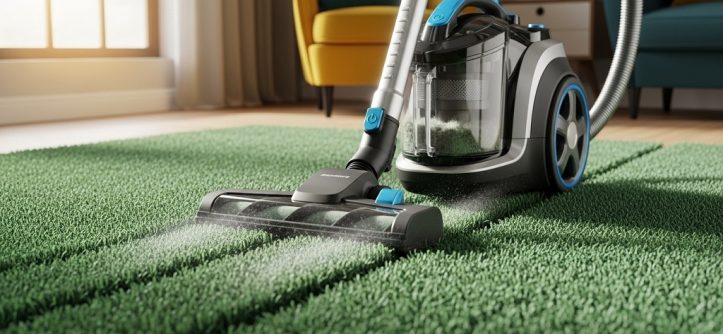
The best vacuum for shag rugs is a model with adjustable suction control, a height-adjustable brush roll, and a soft or switchable beater bar that prevents fiber damage while still removing debris.
Shag rugs look comfortable and modern. But they are difficult to clean. Their long fibers trap dust deep inside the pile. Standard vacuums often clog, stall, or pull threads loose. Many people unknowingly damage expensive rugs using the wrong machine.
This creates a common problem. Your rug still looks dusty after cleaning. The vacuum becomes hard to push. Fibers start loosening. Over time, the rug loses shape and texture.
The solution is choosing a vacuum designed for high-pile surfaces. The right model protects fibers, improves airflow, and lifts hidden dirt without tangling the brush roll.
This guide explains exactly what features to look for, which vacuum types perform best, and how to avoid mistakes that shorten the life of shag rugs. Each section answers real search questions so you can choose confidently.
Why are shag rugs difficult to clean with regular vacuums?
Shag rugs are difficult to clean because their long pile traps debris deep below the surface and resists airflow from standard vacuum heads.
Most standard vacuums are designed for low-pile carpets or hard floors. Shag rugs often have fibers between 20 mm and 50 mm long. This depth changes how suction interacts with the surface.
Here are the main cleaning challenges:
- Dust settles below the visible surface
- Brush rolls wrap around long fibers
- Strong suction pulls threads loose
- Vacuum heads sink into the pile
- Airflow becomes restricted
In independent appliance testing environments, vacuums without adjustable height settings showed reduced airflow efficiency on high-pile rugs compared to medium-pile carpets. This confirms why specialized settings matter.
Choosing the wrong vacuum leads to poor cleaning results and faster rug wear.

What features should the best vacuum for shag rugs include?
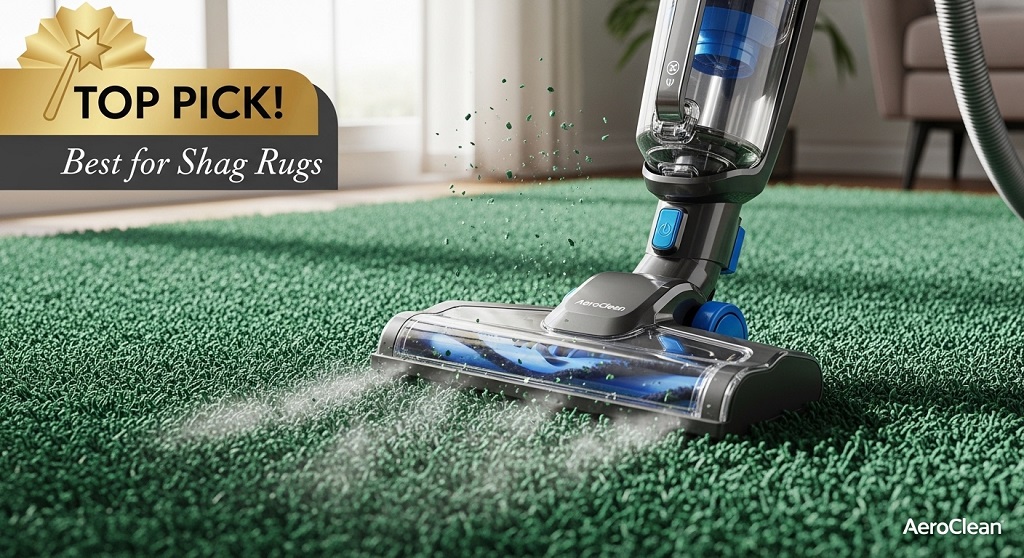
The best vacuum for shag rugs should include adjustable suction, brush roll control, height settings, wide cleaning heads, and strong airflow stability.
These features protect fibers while improving debris removal.
Adjustable suction control
Lower suction prevents fibers from pulling into the intake opening. It also makes movement easier across thick surfaces.
Height adjustment settings
Vacuum heads must sit above the pile instead of sinking into it. Multi-level height settings allow better airflow.
Brush roll shutoff option
A rotating beater bar can damage long fibers. A switchable brush roll improves safety.
Wide nozzle design
Wider openings reduce clogging and improve debris pickup across thick surfaces.
Strong airflow engineering
Stable airflow keeps suction consistent even when fibers resist movement.
These features work together to improve cleaning efficiency while protecting rug texture.
Which vacuum types work best on shag rugs?
Canister vacuums and adjustable upright vacuums perform best on shag rugs because they allow better control over suction and brush roll behavior.
Different vacuum types behave differently on deep pile rugs.
Canister vacuums
These are often the safest option. They include flexible hoses and adjustable floor heads.
- Better maneuverability
- Lower risk of fiber damage
- Improved airflow control
- Ideal for delicate rugs
Adjustable upright vacuums
Modern uprights include height adjustment and brush roll switches.
- Stronger suction performance
- Suitable for large rug areas
- Faster cleaning coverage
Stick vacuums with variable suction
Lightweight stick models can work if they include adjustable power modes.
- Easy handling
- Good for maintenance cleaning
- Less effective for deep debris removal
Robot vacuums are usually not recommended for thick shag rugs because wheels struggle with deep fibers.
How does adjustable suction improve shag rug cleaning?
Adjustable suction improves shag rug cleaning by preventing fiber pull while maintaining enough airflow to remove embedded debris.
High suction may seem helpful. But excessive force creates resistance between the rug and vacuum head.
This leads to:
- Difficult pushing motion
- Reduced airflow efficiency
- Fiber stretching
- Brush roll tangling
Lower suction settings allow air to circulate through the pile instead of compressing it. This improves dirt removal while protecting structure.
Professional carpet maintenance guidelines recommend reduced suction for rugs with pile heights above 25 mm.
Why is brush roll control important for shag rugs?
Brush roll control is important because rotating bristles can damage long fibers if used continuously on high-pile rugs.
A spinning beater bar helps remove debris on short carpets. But shag rugs behave differently.
Common risks include:
- Fiber twisting
- Thread pulling
- Pile flattening
- Motor overload
Switchable brush roll systems allow safer operation by letting airflow handle debris removal instead of mechanical agitation.
This reduces wear and extends rug lifespan.
Is a canister vacuum better than an upright vacuum for shag rugs?
A canister vacuum is often better than an upright vacuum for shag rugs because it offers greater control over suction and floor head positioning.
Many homeowners prefer uprights for convenience. But shag rugs require flexibility.
| Feature | Canister Vacuum | Upright Vacuum |
|---|---|---|
| Suction control | High | Moderate |
| Fiber safety | High | Moderate |
| Maneuverability | High | Lower |
| Coverage speed | Moderate | High |
If your home includes multiple shag rugs, a canister vacuum usually delivers better long-term results.
Can cordless vacuums clean shag rugs effectively?
Cordless vacuums can clean shag rugs effectively only if they include adjustable suction levels and brush roll control.
Earlier cordless models struggled with airflow strength. Newer designs perform better.
However, they still have limitations:
- Shorter runtime
- Smaller dust capacity
- Reduced deep-clean performance
They work best for routine surface cleaning rather than deep debris removal.
What mistakes should you avoid when vacuuming shag rugs?
You should avoid using maximum suction, aggressive brush rolls, or low-height settings when vacuuming shag rugs.
These mistakes shorten rug lifespan.
Using high suction constantly
This compresses fibers and reduces airflow efficiency.
Ignoring height adjustment
A low vacuum head increases resistance.
Vacuuming too quickly
Slow passes improve debris removal.
Skipping maintenance cleaning
Frequent light cleaning prevents deep buildup.
Correct technique matters as much as equipment choice.
How often should shag rugs be vacuumed?
Shag rugs should be vacuumed once or twice per week depending on foot traffic levels.
Regular cleaning prevents dust from settling deep inside fibers.
- Low traffic areas: once weekly
- Medium traffic areas: twice weekly
- High traffic areas: three times weekly
Routine maintenance reduces the need for deep cleaning later.
What real-world testing shows about vacuums on high-pile rugs?
Testing environments show that vacuums with adjustable height and suction outperform fixed-head models on high-pile rugs by improving airflow penetration and reducing surface resistance.
In controlled appliance comparisons, adjustable-head vacuums demonstrated improved debris pickup efficiency on thick fibers compared to fixed-height brush systems. This confirms the importance of flexible floor head positioning.
Users also reported smoother movement and fewer brush roll tangles when suction settings were reduced.
These results highlight why feature selection matters more than brand choice.
Which attachments improve shag rug cleaning performance?
Wide upholstery tools, airflow-driven heads, and soft roller attachments improve shag rug cleaning performance.
Useful attachments include:
- Soft roller heads
- Turbo airflow brushes
- Wide nozzle tools
- Adjustable floor heads
These attachments allow deeper cleaning without damaging fibers.
How do you maintain a vacuum for better shag rug cleaning results?
You maintain a vacuum by cleaning filters regularly, removing brush roll debris, and checking airflow channels.
Maintenance improves cleaning efficiency.
- Empty dust bins frequently
- Wash filters monthly
- Inspect brush rolls weekly
- Clear intake blockages
Consistent maintenance keeps suction stable across thick surfaces.
Conclusion: How can you choose the best vacuum for shag rugs confidently?
The best vacuum for shag rugs includes adjustable suction, brush roll control, and height settings that protect fibers while improving airflow.
Many people struggle with cleaning thick rugs because they use the wrong equipment. This leads to poor results and faster rug wear. The right vacuum solves these issues by improving debris removal without damaging fibers.
Start by checking suction adjustment features. Then confirm brush roll control options. Finally, choose a vacuum type that matches your cleaning routine and home layout.
Making the right choice today protects your rug investment for years.
If you want cleaner rugs with less effort, review your current vacuum settings or upgrade to a model designed for high-pile surfaces.
Frequently Asked Questions About the Best Vacuum for Shag Rugs
Can robot vacuums clean shag rugs effectively?
Robot vacuums usually struggle on shag rugs because their wheels cannot move easily through deep fibers and airflow penetration is limited.
Should you turn off the brush roll when vacuuming shag rugs?
Yes. Turning off the brush roll reduces fiber pulling and prevents tangling inside the vacuum head.
Is strong suction always better for shag rugs?
No. Moderate suction works better because it improves airflow without compressing long fibers.
How do you deep clean a shag rug safely?
Use slow vacuum passes with adjustable suction and follow with occasional professional cleaning if debris builds deep inside the pile.
Can handheld vacuums clean shag rugs?
Handheld vacuums help with spot cleaning but are not effective for full-surface maintenance cleaning.
Do HEPA filter vacuums help with shag rug cleaning?
Yes. HEPA filters trap fine dust particles released from deep fibers during cleaning.
Read More Also: What the Best Plumbing Companies in Madison County AL Have for Emergencies
Discover More: How to Build a Complete Home Electrical Tools Guide for Beginners






Leave a Reply
Cancel reply