You type “air duct cleaning near me” and thirty listings appear, all with four-point-something stars and a coupon. One promises a whole-house cleaning for an eye-catching low price. It sounds too good to be true, and in this industry, it often is.
The best local duct cleaner isn’t the one at the top of the map. It’s the one that holds up when you check. Here’s a practical, 30-minute vetting routine you can use for any company in your area, along with the tactics to watch for and the local factors that affect what your home needs.
Step 1: How do you read a local map listing?

Start with the business profile, because it reveals more than the star rating. Look for a real street address that matches a real business, not a generic virtual office. Check how long the company has been listed, whether it posts photos of actual work, and whether it lists services clearly. A profile with dozens of stock photos and no real job images deserves a second look. Also see whether the listed phone number and website match what appears on the company’s own site.
Step 2: How do you spot patterns in reviews?
Don’t just read the top reviews. Sort by newest and look for patterns:
- Reviews that mention specifics, such as the technician’s name, what they found, and how long the job took, are more credible than generic praise.
- Many five-star reviews posted within a few days, followed by nothing, can signal a campaign.
- Look closely at the negative reviews. Repeated complaints about surprise charges, rushed jobs, or pressure to add services show a pattern worth taking seriously.
- Notice whether the owner replies calmly and specifically. A thoughtful reply to criticism tells you how problems will be handled.
Step 3: Which credentials can you verify locally?
Check your state or local contractor licensing database if your area requires a license for this work. Requirements vary by location, so a quick call to the licensing board will tell you what applies. Ask for proof of liability insurance and verify the details. Look for NADCA membership or technicians certified as Air Systems Cleaning Specialists, which signals training on accepted methods. The Better Business Bureau profile can add context about complaint history, though it shouldn’t be your only source.
Step 4: How do you recognize a bait-and-switch offer?
The classic pattern is an advertised price so low it can’t cover a real job. The technician arrives, declares your system “unusually dirty,” and lists extra charges for the main trunk, the coil, a sanitizer, or additional vents. By the time the total is clear, you’re standing in your home with a crew waiting. Protect yourself with a few habits:
- Ask what the advertised price includes and excludes before you book.
- Request the full price in writing, including every possible add-on.
- Be skeptical of quotes given by phone with no inspection.
- Never feel pressured by a “today only” discount.
- Ask the technician to show you what they’re finding with a camera before agreeing to extra work.
Step 5: What should the phone call reveal?
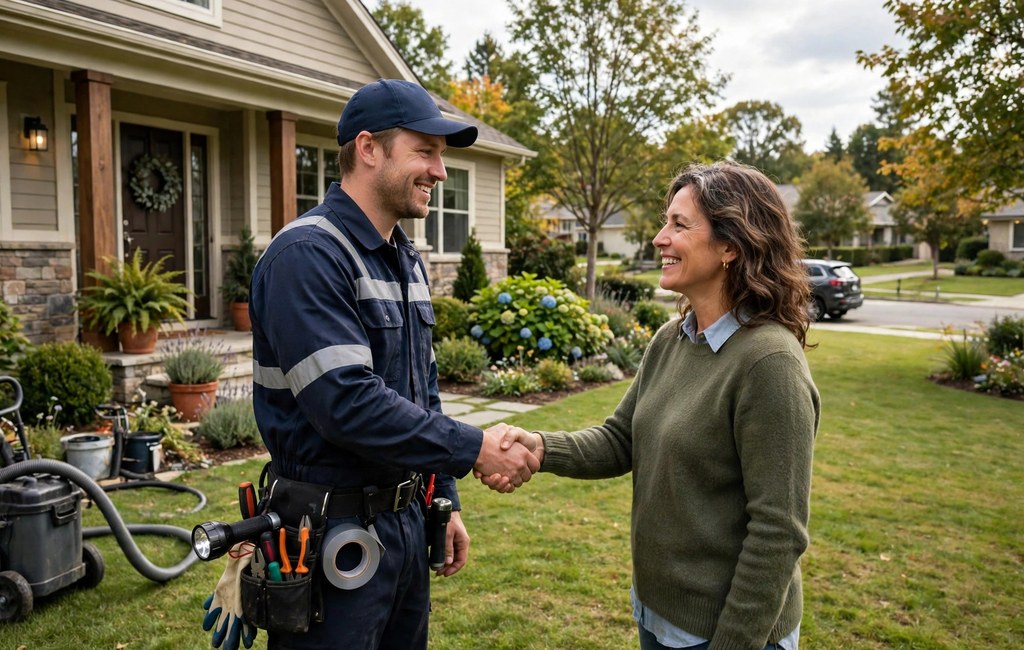
Spend ten minutes on the phone and you’ll learn a lot. Ask whether they inspect before quoting, what equipment they use, how long a typical job takes in a home like yours, and what the guarantee covers. A company worth hiring answers clearly, explains what isn’t included, and doesn’t rush you. If the person on the line seems more interested in your credit card than your system, move on.
How do local conditions change what you need?
Where you live shapes the problem. In humid climates, moisture and mold are bigger concerns, so ask about drain pans, humidity, and duct insulation. In dry or dusty regions and areas that see wildfire smoke, filtration and sealing matter as much as cleaning. Older homes may have leaky metal ducts, and some have flexible ducts that wear out. New construction often has drywall dust and debris in the system. A local contractor who knows these patterns can tailor the work, instead of offering one package to everyone.
When is the best time to book?
Spring and fall, outside peak cooling and heating seasons, usually offer easier scheduling and more time for a careful inspection. If you’re dealing with mold, pests, or water damage, don’t wait for a convenient season. Handle those promptly.
Your 30-minute vetting checklist
- Verify the address, website, and phone number match.
- Read the newest reviews and the negative ones, and look for patterns.
- Confirm licensing where required and ask for proof of insurance.
- Look for NADCA membership or certified technicians.
- Call, ask your questions, and note how they respond.
- Get a written, itemized scope and price before agreeing.
- Compare at least two or three companies on the same scope.
Frequently asked questions about finding a local duct cleaner
How much should air duct cleaning cost?
Prices depend on the size of your home, number of systems, access, and condition. Get at least two or three written quotes based on an inspection, and be cautious about any price dramatically lower than the others.
Is the cheapest local company a bad choice?
Not necessarily, but a very low advertised price often leads to add-ons. Compare what’s included, not just the total.
How can I tell if reviews are fake?
Look for vague wording, clusters of reviews posted at once, and profiles with only one review. Specific details and a long, steady history are better signs.
Do I need to be home during the service?
Plan to be there at the start and the end, or have a trusted adult present, so you can review the inspection and the finished work.
Looking for a local team you can trust?
We start every job with a camera inspection, show you what we find, and give you a written, itemized quote before any work begins. No surprise add-ons, no pressure. Contact us today to book your inspection and see the difference for yourself.




Leave a Reply