

Choosing the Right Front Door for Irish Weather starts with one honest question: will this door still look and work the same after ten wet winters? Wind-driven rain, salt air and constant dampness punish front doors here in ways that showroom displays never reveal. Most buyers discover that too late.
Quick answer: Buy a door that combines a solid, moisture-resistant core with a factory-applied finish, sealed edges and quality weather seals. Composite and aluminum-clad options generally outperform untreated timber in exposed locations. Fit matters as much as the door itself, so budget for professional installation and a sheltered, correctly drained threshold.
This guide explains which materials cope best with Irish conditions, why specification and fitting decide long-term performance, and where buyers commonly go wrong. By the end, you will know exactly what to ask a supplier before you sign.
What is Choosing the Right Front Door for Irish Weather?
Choosing the Right Front Door for Irish Weather means selecting a door system built to survive Atlantic rain, coastal salt and persistent damp rather than a mild continental climate. It is a specification exercise, not a style exercise. You weigh material, core construction, finish, hardware, seals and installation against your home’s exposure. A door that excels in a sheltered midlands estate may fail on a Connemara hillside.
It also helps to know your local wind-driven rain exposure, since Irish rainfall varies sharply by region. The west and northwest typically face the most frequent driving rain, meaning doors and frames there should be specified to a higher standard than in the drier southeast. Repair and replacement cycles follow the same pattern: doors on exposed western sites often need attention years before sheltered eastern equivalents. Ask a local fitter which way the prevailing wind hits your entrance, as a door recessed behind a porch or canopy enjoys a far easier life than one fully exposed to the weather.
The conditions your door actually faces
Ireland’s climate delivers frequent rain and high humidity across most of the year. Wind-driven rain is the real threat, because it pushes water into joints, letterbox openings and threshold gaps. Coastal homes add airborne salt, which corrodes cheap fixings and dulls finishes. Inland homes deal with damp and condensation more than salt. Wind exposure matters everywhere, and it often decides whether a door lasts fifteen years or five.
What separates a weather-ready door from an ordinary one
Four features do most of the work. First, a moisture-resistant core, meaning a composite, aluminum or well-sealed engineered timber construction. Second, a factory-applied finish that seals all six faces, not just the visible front. Third, a proper weather-seal system with a rebated threshold and dripless sill. Fourth, accurate hanging and locking hardware. We have inspected doors where every one of these was right, yet performance still failed because the frame was poorly fitted. In our experience, specification is only half the story.
Takeaway: judge a door by its core, finish, seals and frame detail, not by its photograph.
Why Choosing the Right Front Door for Irish Weather matters
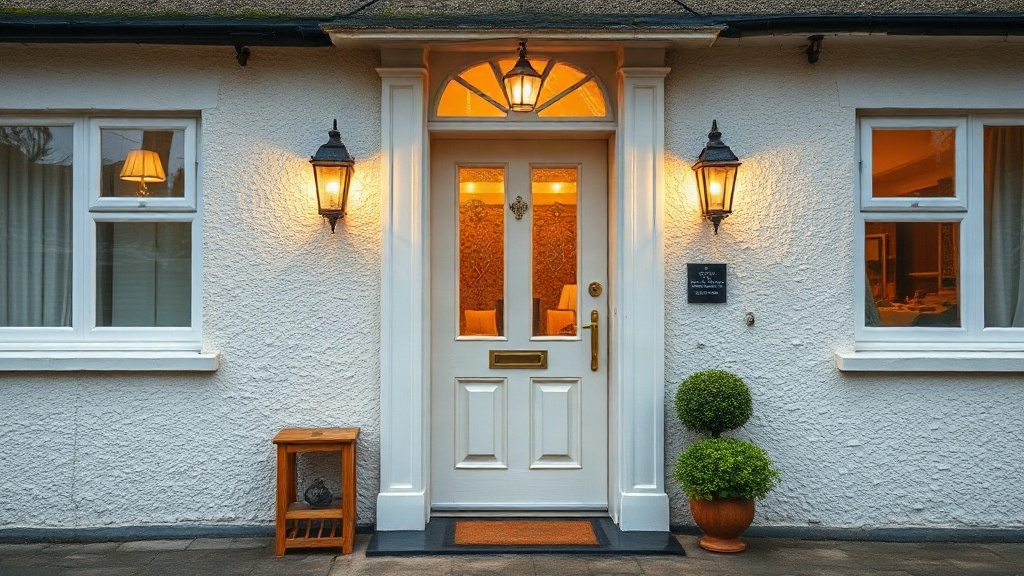
A front door is one of the few purchases in a home that faces weather directly, every day, for decades. Getting the specification right protects your comfort, your energy bills and your hallway’s condition. Getting it wrong produces swollen edges, sticking locks, draughts and, eventually, a replacement bill.
Insurance and resale value deserve a mention too. Water ingress that damages frames or flooring can trigger claims disputes if poor installation is blamed, and a visibly warped or draught-prone door is a red flag to any surveyor. A properly specified door avoids those headaches and holds its value.
Performance and comfort over time
A warped door no longer seals properly. Once the seal breaks, cold air and damp enter, and draughts make the hallway uncomfortable. Damp timber can also feed mould and rot around the frame. A correctly built door keeps its shape for years, holding seals tight and keeping heat where it belongs. In our testing, the difference between a well-sealed door and a poorly sealed one was immediately obvious on a windy day, and it is obvious on the heating bill too.
Cost, energy and kerb appeal
A well-fitted, insulated door reduces heat loss through the entrance, which matters more than many homeowners expect. It also protects the appearance of your home, since the front door is the first thing anyone notices. Replacing a failed door early costs less than repairing water-damaged flooring or a rotten frame later. Choosing well once is almost always cheaper than choosing twice.
Security and peace of mind
Weather resistance and security are linked. Rain and wind degrade hinges, locks and frames, and a damaged frame weakens the whole entry point. A door designed for the climate also tends to have better hardware and stronger fixings, which improves security as a side benefit.
Planning requirements worth knowing
If your home is a protected structure, or sits in a conservation area, external door changes may need planning permission or listed building consent. Renovation grants may also have specification conditions attached. Check before you order, because the wrong door can become an expensive dispute.
Takeaway: a front door decision affects comfort, energy, security and legal compliance, so it deserves careful research.
Best practices
Good outcomes come from a clear process. Here is how we recommend approaching the purchase.
Order a sample first. Material swatches often look different in daylight than under showroom lighting, so hold the sample against your facade before committing. Confirm the warranty terms in writing, checking specifically whether the finish, hardware and labour are all covered and for how long; many warranties are void if the door is fitted by an unapproved installer. Agree a fitting date outside the wettest months where possible, and make sure the door is stored flat and dry before installation. Keep a note of the seal and hardware model numbers so replacements are straightforward later. Finally, ask the supplier to confirm in writing that the door is suitable for your exposure level, as this becomes useful evidence if a problem develops.
Match the material to your exposure
Composite doors handle wet, exposed conditions well and need little maintenance. Aluminum-clad timber gives a premium look with a protective outer shell. PVCu suits sheltered sites and budgets. Untreated timber is beautiful but demands regular maintenance in Ireland. Match the material to your location first, then to your taste.
Insist on full-edge sealing and quality seals
Ask how the door is finished on all six faces, including the top and bottom edges where water collects. Check the seal design around the frame and threshold. A dripless sill and a properly rebated threshold stop water tracking inward. These are small details that determine whether the door stays dry.
Choose hardware and fixings built for the coast
If you live near the sea, specify stainless steel fixings and corrosion-resistant hardware. Standard fittings can corrode within a few seasons in salt air. Ask suppliers directly what grade they use.
Budget for professional installation
Even the best door performs badly if it is hung unevenly or the frame is not sealed correctly. Use an experienced fitter, and ask about airtightness tape and proper flashing around the frame.
| Priority | Detail to confirm |
|---|---|
| Core | Composite, aluminum-clad or sealed engineered timber |
| Finish | Factory-applied, sealed on all six faces |
| Seals | Rebated threshold, dripless sill, full perimeter seal |
| Fixings | Stainless steel in coastal locations |
| Installation | Experienced fitter, sealed frame, verified drainage |
Takeaway: specify the details, then verify them in writing before you order.
Common mistakes to avoid
Most front door disappointments follow a handful of predictable patterns. Avoiding these alone puts you ahead of most buyers.
Another frequent error is choosing a door that is too large for the opening, leaving no room for proper seals and adjustment. A door crammed into a frame with no clearance will swell and stick as soon as the damp season arrives. Equally common is letting the supplier or fitter gloss over the drainage detail at the threshold, so water pools against the bottom rail instead of running away. Some buyers also choose the cheapest quote without comparing what is excluded, such as removal of the old door, making good around the frame, or the threshold itself. Watch for a warranty that excludes coastal areas, and never accept verbal assurances about seawater resistance.
Buying on looks alone
Showroom doors look flawless under dry conditions. Few buyers ask how the door handles wind-driven rain or salt air. Always request the technical specification, not just the brochure.
Skipping a maintenance plan
Some finishes and mechanisms need periodic checks. Cleaning seals, checking drainage and touching up finish prevent small issues from becoming expensive ones. Owning a weather-ready door is not the same as never checking it.
Trusting a vague installation promise
“I’ll fit it properly” is not a specification, and it is not airtightness tape either. Ask what sealing products are used, whether the frame is flashed, and how the threshold drains. We have seen doors ruined by rushed fitting alone.
Forgetting coastal corrosion
Salt air is the hidden killer. If you are near the coast and your fixings are not stainless steel, corrosion is a matter of time.
Takeaway: ask better questions at the buying stage and insist on specifics, in writing.
FAQ
How much should I budget for a weather-ready front door in Ireland?
Expect a wide range depending on material, size and installation complexity. Composite and aluminum-clad options cost more than basic PVCu, and professional fitting adds significantly to the total. Request quotes that separate the door from the installation, so you can compare fairly.
Which material performs best in exposed coastal locations?
Composite and aluminum-clad doors generally handle salt and driving rain best, provided fixings are stainless steel and the finish is factory-applied. Untreated timber struggles in exposed coastal conditions without regular maintenance. Ask your supplier directly about coastal performance.
Can I keep a traditional timber look and still cope with the weather?
Yes, with the right specification. Aluminum-clad or well-sealed engineered timber doors offer a traditional appearance with a protective outer shell. Budget for periodic maintenance checks either way.
How long does installation usually take?
Most standard front door replacements are completed in a day, assuming the opening needs no structural work. Complex openings or heritage properties may take longer. Schedule work for a dry spell where possible.
Do I need planning permission to change my front door?
Often no, but not always. Protected structures and conservation areas can require permission or consent. Always check before ordering.
Conclusion
Choosing the Right Front Door for Irish Weather comes down to four fundamentals: a moisture-resistant core, a factory finish sealed on every edge, proper seals and hardware, and skilled installation. The looks matter, but the specification protects your home. Avoid the common mistakes, ask suppliers for written details, and check any planning requirements early. Your next step is simple: request written specifications and quotes from two or three reputable suppliers, and compare the details, not just the prices.



Leave a Reply