
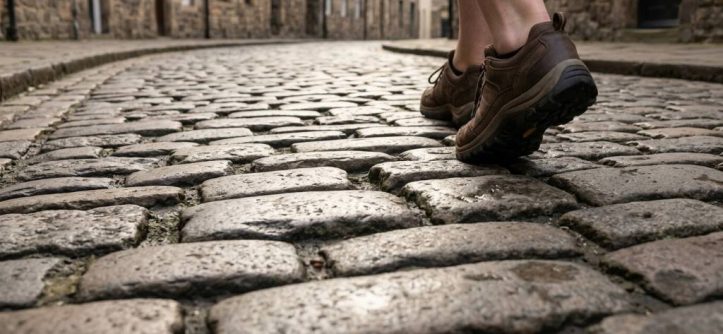
Have you ever stepped onto a sidewalk, patio, pathway, or deck and felt an unexpected wobble beneath your feet? Many property owners in Portland experience this issue because the region’s climate, soil conditions, and moisture levels create unique challenges for outdoor surfaces. According to the United States Geological Survey, soil movement and moisture changes significantly affect ground stability across many parts of the Pacific Northwest. Meanwhile, data from the National Weather Service shows that Portland receives substantial annual rainfall, which contributes to surface shifting and settlement over time. In some cases, problems associated with deck structural weakness can create similar sensations, making outdoor areas feel less secure and comfortable to use.
How Portland’s Climate Affects Outdoor Walking Surfaces
Portland’s weather plays a major role in surface instability. The city experiences long wet seasons followed by warmer, drier months. Because of this cycle, outdoor materials constantly expand, contract, absorb moisture, and dry out.
As moisture enters the ground, soil particles shift and settle. Later, when dry weather arrives, the same soil may shrink. Over time, these repeated changes create uneven support beneath sidewalks, pavers, patios, and decks. Property owners often notice minor movement at first. However, the problem gradually becomes more noticeable.
Many homeowners who focus on creating comfortable outdoor spaces also pay attention to outdoor pest control strategies while maintaining their patios, yet underlying ground conditions often deserve equal attention because they directly influence walking safety.
Seasonal Moisture Changes Matter
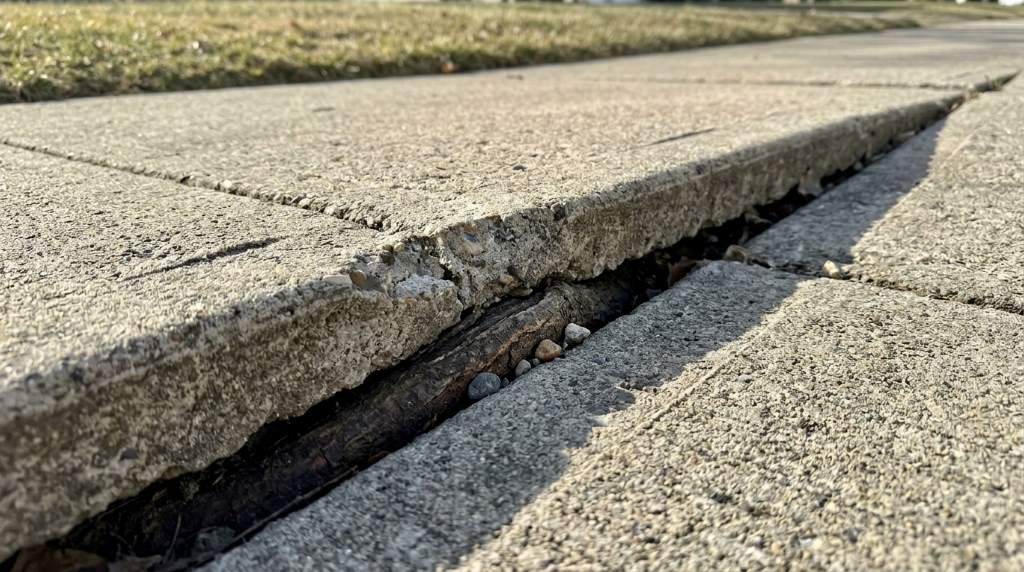
Frequent rainfall saturates the soil beneath outdoor structures. Consequently, water weakens the support layer that helps surfaces remain level. When heavy storms arrive, small voids may develop beneath concrete slabs or paving stones.
As a result, people may feel slight movement underfoot even when visible damage appears minimal.
The Impact of Portland’s Soil Composition
Not all soil behaves the same way. Portland contains a mix of clay rich soils, silty deposits, volcanic materials, and river sediments. Each type reacts differently to moisture.
Clay soils create some of the biggest challenges because they expand when wet and shrink when dry. This movement places stress on outdoor surfaces and supporting structures.
Why Expansive Soil Creates Problems
Expansive soil changes volume throughout the year. Therefore, patios and walkways may rise during wet periods and settle during dry periods.
Over several years, these cycles can cause:
- Uneven walkways
- Loose pavers
- Tilting steps
- Shifting retaining walls
- Surface cracks
Although these changes often happen gradually, they can eventually create noticeable instability.
Localized Ground Movement
Different parts of the same yard may contain varying soil types. Because of this, one section may remain stable while another settles unexpectedly. This uneven movement often causes walking surfaces to feel inconsistent from one area to another.
Drainage Problems That Lead to Instability
Water management affects nearly every outdoor surface in Portland. Poor drainage allows moisture to collect beneath structures, weakening the base materials that provide support.
Standing water can slowly wash away fine particles under concrete slabs and paving stones. Consequently, empty spaces develop beneath the surface. Once weight is applied, the affected area may flex or sink slightly.
Property owners upgrading outdoor living areas frequently research choose affordable outdoor grills for entertaining spaces, but proper drainage planning should happen before adding new outdoor features to prevent future movement issues.
Common Drainage Warning Signs
Several indicators suggest water may be undermining outdoor surfaces:
- Puddles that remain after rainfall
- Soil erosion near walkways
- Moss growth on paved areas
- Water pooling around foundations
- Visible settling after storms
Addressing these signs early often prevents larger structural concerns later.
Tree Roots and Vegetation Can Shift Walking Surfaces
Portland’s lush landscape contributes to its beauty. However, mature trees and extensive root systems frequently affect outdoor surfaces.
Roots naturally seek water and nutrients. As they grow, they push against surrounding materials. Over time, concrete slabs may lift while pavers become uneven.
Many homeowners investing in outdoor improvements and exploring budget friendly outdoor room enclosures also discover that nearby trees can significantly influence the long term stability of surrounding pathways and patios.
How Roots Create Uneven Surfaces
Roots do not always grow downward. Instead, many species develop broad shallow systems close to the surface. Consequently, walkways and patios may experience upward pressure.
This process often produces:
- Raised pavement sections
- Trip hazards
- Loose pavers
- Surface cracking
- Uneven transitions between materials
Routine landscape inspections help identify these issues before they become serious safety concerns.
Freeze and Thaw Cycles Also Contribute
Although Portland experiences milder winters than many northern cities, occasional freezing temperatures still affect outdoor surfaces.
When water enters small cracks and freezes, it expands. Subsequently, the surrounding material experiences additional stress. Repeated freeze and thaw cycles gradually enlarge these weaknesses.
Over time, concrete, stone, and composite materials may lose some of their original stability. Therefore, what starts as a minor crack can evolve into a larger movement problem.
Hidden Damage Beneath the Surface
Many property owners focus on visible cracks. However, the more important issue often exists below ground. Water infiltration may weaken base layers long before obvious signs appear on the surface.
Regular inspections help identify these hidden conditions early.
Construction and Installation Factors
Not every unstable surface results from environmental conditions alone. Installation quality plays a major role in long term performance.
A properly constructed walkway or patio requires adequate excavation, compaction, drainage, and base preparation. If any step receives insufficient attention, future movement becomes more likely.
Common Installation Issues
Several construction mistakes can contribute to instability:
- Insufficient base material
- Poor soil compaction
- Improper grading
- Inadequate drainage design
- Low quality fill material
Even small errors may become significant after years of exposure to Portland’s wet climate.
Signs Your Outdoor Surface May Need Attention
Recognizing early warning signs can help prevent larger repairs. Fortunately, most unstable surfaces provide clues before major failures occur.
Physical Indicators to Watch For
- Wobbling underfoot
- Noticeable tilting
- Pooling water
- Growing cracks
- Loose pavers
- Sunken sections
- Raised edges
- Shifting steps
If multiple signs appear together, the underlying support system may require evaluation.
Practical Ways to Improve Surface Stability
Several strategies can improve stability and extend the lifespan of outdoor walking surfaces.
Improve Water Management
Directing water away from structures remains one of the most effective solutions. Proper grading, drainage channels, and downspout extensions help reduce soil saturation.
Monitor Vegetation Growth
Regularly inspect nearby trees and shrubs. Early root management often prevents significant surface displacement.
Repair Small Problems Quickly
Minor cracks and loose pavers may seem harmless. However, prompt repairs frequently prevent larger structural concerns.
Schedule Periodic Inspections
Professional assessments can identify hidden movement before it affects safety. This approach often extends the life of outdoor surfaces while reducing future maintenance needs.
Why Portland Homeowners Experience This Issue More Frequently
Several factors combine to make unstable outdoor surfaces more common in Portland than in many other regions. High annual rainfall, moisture sensitive soils, dense vegetation, and periodic freezing conditions all contribute to movement beneath walking areas.
Because these forces interact continuously, outdoor surfaces rarely remain unchanged for decades. Instead, they require ongoing monitoring and maintenance to preserve safety and stability.
Conclusion
Outdoor walking surfaces feel unstable in Portland, OR because of a combination of rainfall, soil movement, drainage challenges, root growth, seasonal temperature changes, and installation factors. While these issues often develop gradually, they can affect safety, comfort, and property appearance over time. Fortunately, early detection and proactive maintenance can reduce many common problems. Inspect your outdoor surfaces regularly, address drainage concerns promptly, and monitor nearby vegetation to keep walkways, patios, and decks stable for years to come.
Frequently Asked Questions
Why do pavers feel loose after heavy rain?
Heavy rainfall can wash away supporting material beneath pavers, causing movement.
Can tree roots make a patio unstable?
Yes, growing roots can lift and shift patio materials over time.
Does Portland’s soil affect walkway stability?
Yes, moisture sensitive soils often expand and shrink, creating uneven support.
How can I tell if drainage is causing surface movement?
Persistent puddles, erosion, and settling usually indicate drainage issues.
Should small cracks be repaired immediately?
Yes, early repairs help prevent water intrusion and larger structural problems.



Leave a Reply