
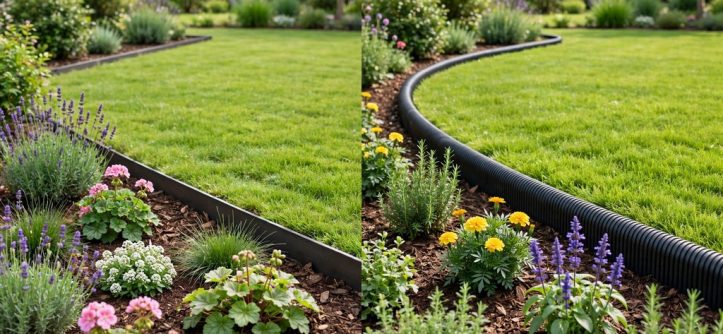
Metal garden edging suits long term borders, while plastic garden edging suits flexible, budget friendly projects. Choose metal for strength and crisp lines, and choose plastic for curves and easy handling. Your garden shape, soil, and maintenance habits should guide the final choice.
Both materials separate lawns from beds, contain mulch, and block spreading grass roots. However, they differ sharply in durability, appearance, installation effort, and long term care. Therefore, compare each factor carefully before you buy edging for a garden border.
This guide compares metal and plastic edging across durability, flexibility, appearance, installation, and maintenance. Additionally, it shows which material fits different garden styles, layouts, and budgets.
In short, neither material wins every garden situation, so context decides the better choice. Use the comparisons below to match strength, flexibility, and style to your own borders.
How To Choose Between Metal And Plastic Edging
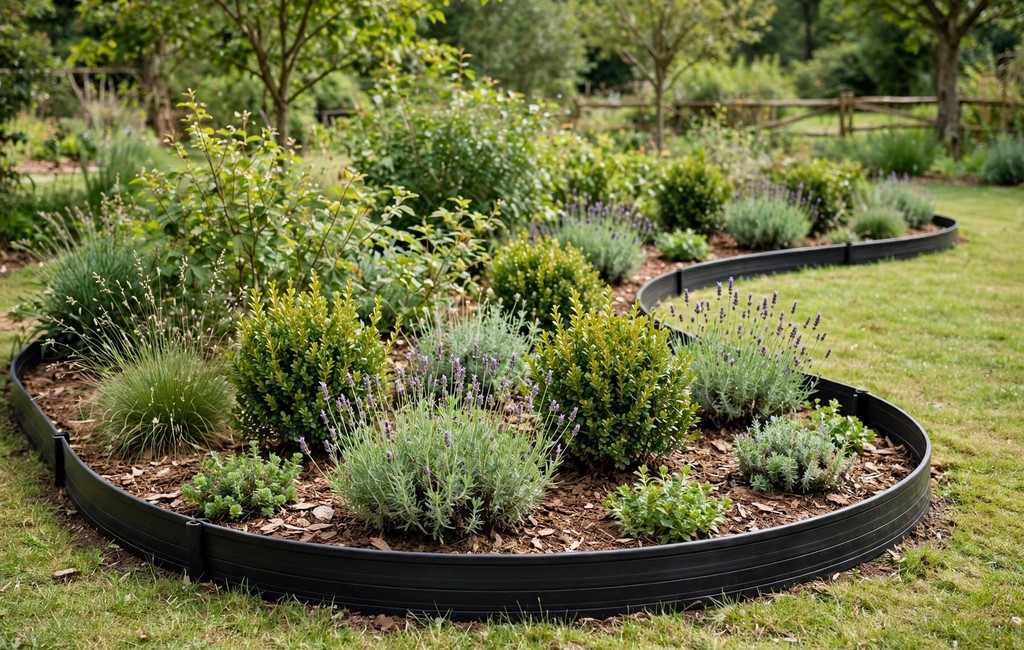
Start by comparing metal garden edging with plastic options for durability, flexibility, and appearance. Next, consider your garden shape, soil type, sunlight, and mowing habits. Finally, weigh upfront effort against replacement work and ongoing maintenance needs.
For example, straight formal beds reward crisp metal lines and firm root barriers. Similarly, winding cottage beds reward plastic strips that bend around plants and trees. In contrast, high traffic borders need stronger material that resists mower bumps and foot traffic.
Durability And Weather Resistance
Metal edging generally outlasts plastic edging in most garden conditions. Steel and aluminum resist cracking, warping, and damage from lawn equipment. Galvanized and powder coated finishes protect steel from rust and weather damage.
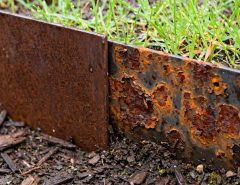
Weathered steel develops a protective patina that suits rustic and natural garden designs. However, uncoated steel can rust in damp soil without proper coating or drainage. Plastic edging resists rust and rot, yet sunlight can weaken thin strips over time.
Thick UV stabilized plastic performs better than thin bargain strips in sunny gardens. Therefore, check material thickness and UV protection before you choose plastic edging. As a result, quality matters more than material alone for long term garden borders.
Flexibility, Curves, And Garden Shapes
Plastic edging bends easily around curves, trees, and irregular garden shapes. Gardeners can shape long plastic rolls without special cutting tools or heavy lifting. Metal edging also bends, but thicker steel needs more force and careful handling.
Thin aluminum offers a useful middle ground for gentle curves and straight runs. However, sharp corners challenge both materials and often need joints or careful cuts. For example, mark curves with a hose before you install either edging type.
Additionally, test flexibility before installation by bending a short sample section gently. Samples reveal stiffness, cracking, or springback before you commit to full garden borders. Gentle bends also protect joints and anchors from strain during installation.
Appearance And Garden Style
Metal edging creates slim, crisp lines that highlight plants rather than the border itself. Dark metal finishes blend into soil and mulch for a clean modern look. Weathered steel adds warm rust tones that suit cottage, prairie, and rustic gardens.
Plastic edging usually sits low and stays discreet beside lawns and flower beds. However, plastic strips can look plain beside stone paths, timber features, or formal planting. Therefore, choose metal for statement borders and plastic for subtle, low profile edges.
Meanwhile, consider nearby materials like stone, timber, fencing, and paving tones. Matching tones create harmony, while contrasting edges draw attention to garden paths.
Installation And Maintenance
Plastic edging often installs faster because lightweight rolls unroll and bend easily. Many plastic systems use stakes or no dig designs that suit first time gardeners. Metal edging needs a shallow trench, firm anchoring, and careful alignment along borders.
Gardeners should wear gloves when they handle metal strips with sharp edges. Additionally, check alignment often during installation to keep lines straight and level. Meanwhile, plastic edging needs regular checks for heaving, shifting, or frost movement.
- Metal care: Inspect coatings each season and touch up scratches promptly.
- Plastic care: Reset lifted sections after frost and replace cracked strips quickly.
- Both materials: Clear soil and mulch buildup from edges during routine garden tidying.
As a result, metal needs less frequent replacement, while plastic needs more frequent checks.
Which Material Suits Different Garden Needs
Choose metal for permanent borders, formal designs, and high traffic lawn edges. Plastic suits temporary beds, rental gardens, and winding informal borders. Vegetable beds suit either material, provided edges stay safe, stable, and easy to clean.
For example, gravel paths pair well with rigid metal edges that contain loose stones. Similarly, mulch beds pair well with flexible plastic edges around shrubs and perennials. In contrast, steep slopes and frost prone soil reward deeper, firmly anchored metal borders.
Additionally, test both materials beside your plants before you finalize border choices. Hands on comparison clarifies appearance, height, and handling better than catalogue descriptions alone. Meanwhile, small trial sections reveal height differences before you edge full borders.
Frequently Asked Questions
Is Metal Or Plastic Garden Edging Better For Long Term Borders?
Metal edging usually wins for long term borders because it resists damage and lasts longer.
Which Edging Material Is Easier For Beginners To Install?
Plastic edging suits beginners because lightweight rolls bend easily and need simple tools.
Does Metal Garden Edging Rust In Wet Gardens?
Coated steel and aluminum resist rust well, while uncoated steel needs protection in damp soil.
Can Plastic Edging Handle Curved Garden Beds?
Plastic edging handles curves well because flexible strips follow winding bed shapes easily.
How Deep Should Garden Edging Sit In Soil?
Set edging deep enough to block grass roots while leaving a neat visible top edge.
Conclusion
Metal edging offers lasting strength and crisp style, while plastic edging offers flexibility and simplicity. Therefore, match the material to your garden shape, traffic, climate, and maintenance routine.
Measure your borders, compare samples in your garden light, and choose the edging that fits best. Start your project this weekend and enjoy cleaner, better defined garden borders.

Leave a Reply