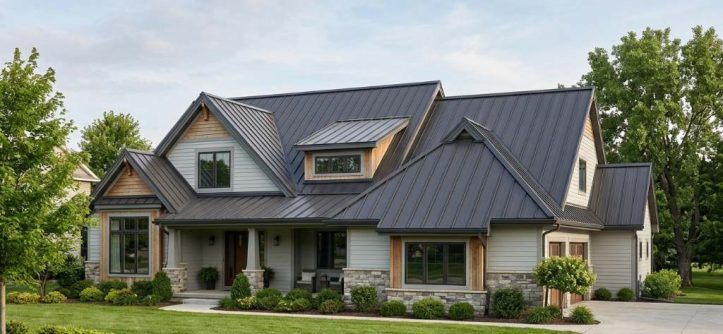
Yes, a standing seam metal roof is worth it for most long-term homeowners. It lasts 40 to 70 years and sheds weather well. Hidden fasteners also cut the leak risk that plagues exposed-screw roofs. The upfront price runs higher than shingles, but the long-term math favors metal. This guide explains how the system works, which metals and seam styles exist, and what drives price. You will also learn what install day looks like and how to avoid costly mistakes. Think of it as a buyer’s map, not a sales pitch. Read on before you request a single quote.
How This Roofing System Works
Vertical Panels and Raised Seams
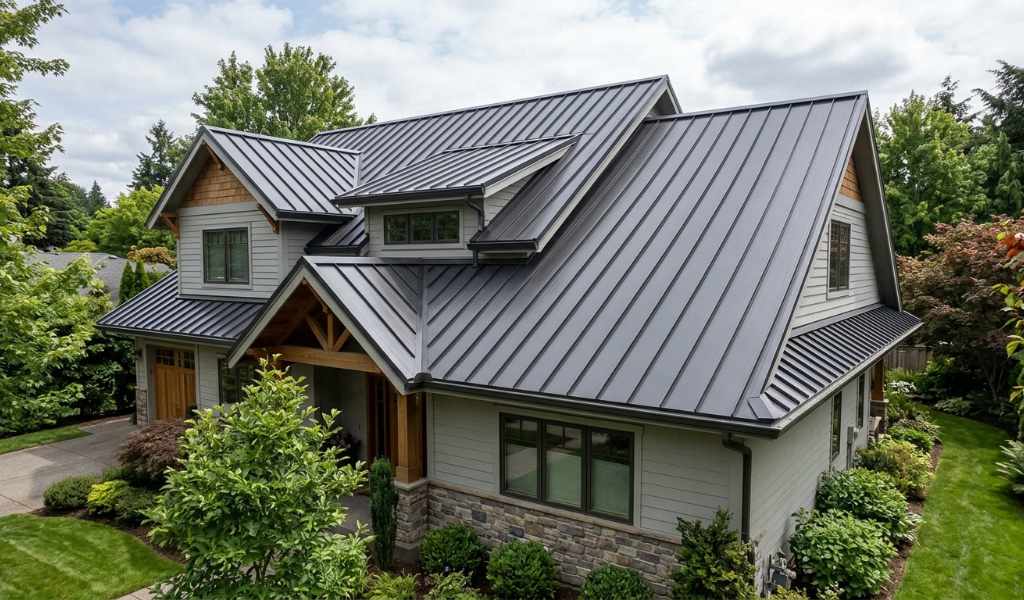
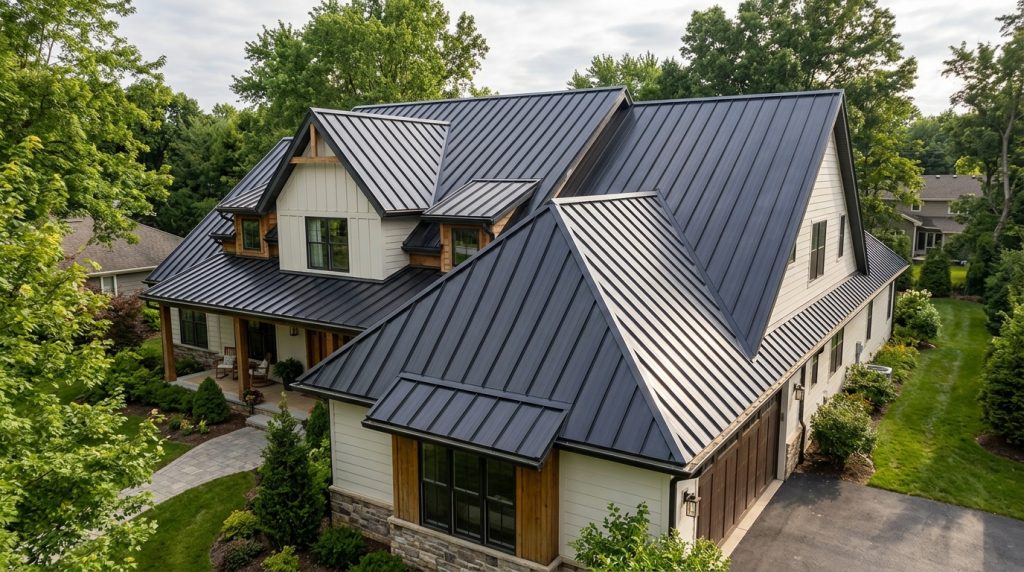
A standing seam metal roof uses long vertical panels that run from the eave to the ridge. Each panel carries a raised rib on both edges. Neighboring ribs lock together and form the seam you see from the street. Water lands on the flat part of each panel and rolls downhill. Because the seams stand above that flow, water rarely reaches a joint. That simple geometry explains why this design leaks far less than older metal roofs. Roofers call the flat area the pan. The pan carries the water, and the rib keeps it contained. Together, they create a clean, continuous line across the whole roof.
Hidden Clips Instead of Exposed Screws
Traditional corrugated metal uses screws that pierce the panel face. Those screws sit in the path of rain, sun, and wind. Over time, the rubber washers crack, and leaks begin. Here, a small clip grips the panel edge and anchors it to the deck. The next panel then snaps over the clip and hides it. As a result, the roof face stays free of fasteners. Fewer holes mean fewer weak spots. This single feature drives most of the system’s reputation for durability. It also gives the roof a sleek, uninterrupted look.
How Thermal Movement Works
Metal expands in heat and shrinks in cold. A long panel can grow or shrink by a fraction of an inch each day. The clips allow that movement, so the panel slides rather than strains. Fixed screws would fight this motion and eventually tear holes. Clips let the metal breathe. Meanwhile, the seams stay tight and the roof stays quiet. Good designers also add a fixed point near the ridge or eave. This anchor keeps the panel from creeping out of place. The rest of the panel floats freely on its clips.
Why Homeowners Choose It Over Other Roofs
Most buyers compare metal with asphalt shingles first. The two differ in lifespan, weight, and long-term spending. Metal costs more at the start, yet it often wins over decades. Other options deserve a fair look too. Here is how the main competitors stack up:
- Asphalt shingles: They last 15 to 25 years and cost less upfront. However, they need earlier replacement.
- Corrugated metal: It costs less than a concealed-clip system. Exposed screws, though, demand regular checks and replacement.
- Stone-coated steel: It mimics tile or wood shake. The many small joints create more places for trouble.
- Concrete or clay tile: It looks classic and lasts long. Yet it weighs a lot and often needs extra framing.
What You Gain
The benefits go beyond a long lifespan. Several practical advantages add up for a typical family:
- Longevity: Most systems last 40 to 70 years with light care.
- Weather defense: Panels resist wind, shed snow, and shrug off heavy rain.
- Fire resistance: Metal usually earns a Class A fire rating in tested assemblies.
- Energy savings: Reflective coatings can trim cooling costs in hot climates.
- Light weight: Metal weighs far less than tile or slate, so most frames handle it.
- Recyclability: Steel and aluminum stay fully recyclable at the end of their life.
What You Give Up
No roof is perfect, and honest buyers weigh the tradeoffs. The biggest hurdle is price, which runs well above shingles. Skilled labor also costs more because the work demands precision. Some people worry about noise. In practice, solid decking and quality underlayment dampen rain sounds well. Hail can dent softer metals, though the roof usually keeps leaks at bay. Price deserves a closer look before you commit. A full standing seam metal roof cost breakdown shows how metal, labor, and roof shape combine. That number looks high at first, but lifespan changes the picture. Shingle owners often replace their roof once or twice during the same period. Each replacement adds tear-off, disposal, and labor. Therefore, the gap between the two options narrows year by year.
Is This Roof Right for Your Home?
Metal suits many houses, but not every situation. A quick self-check saves money and regret. Start with how long you plan to stay. Owners who move within five years may not recoup the full investment. Buyers do value metal, yet the premium rarely returns instantly. Long-term owners enjoy the full payoff. Your roof shape matters as well. Simple gables and hips keep labor reasonable. Complex designs with many valleys, dormers, and skylights raise both time and price. Consider these questions before you move forward:
- Timeline: Will you stay in the home for at least 15 years?
- Roof shape: Does your roof have many small sections or a simple layout?
- Climate: Do you face hail, heavy snow, salt air, or wildfire risk?
- Budget: Can you fund the higher upfront price without strain?
- Neighborhood: Do HOA rules or local codes limit metal roofs?
Three or more strong yeses usually point toward metal. If you answer no to timeline and budget, shingles may serve you better. Still, a good contractor can help you weigh the details.
Metals and Thickness Options
The metal you pick shapes price, looks, and lifespan. Four materials dominate the market. Each fits different climates and budgets.
Steel
Steel is the most common choice in the United States. Makers coat it with zinc or a zinc-aluminum blend. These coatings guard the core against rust. Galvalume offers better corrosion resistance and a longer life in most climates. Galvanized steel costs slightly less. However, cut edges on galvanized panels may rust sooner in wet regions.
Aluminum
Aluminum does not rust, which makes it a smart pick near the ocean. Salt air chews through lesser metals but barely touches aluminum. It also weighs less than steel. Aluminum dents more easily and costs more per panel. It also expands more with heat. Installers must plan clip spacing with extra care.
Copper and Zinc
Copper and zinc are premium metals with a century-long reputation. Both develop a natural patina over time. That patina protects the surface and adds character. Expect a much higher price than steel. These metals suit historic homes, chapels, and custom builds. A skilled craftsman should handle the seaming.
Gauge in Plain Language
Gauge measures thickness, and lower numbers mean thicker metal. Residential steel panels usually come in 24 or 26 gauge. The 24 gauge option costs more but resists dents and oil canning better. Twenty-six gauge works well on simple roofs in mild regions. Choose the thicker option for hail zones, wide flat panels, or windy sites. Heavier metal also feels more solid underfoot. Match the metal to your situation using this quick guide:
- Coastal homes: Choose aluminum or heavily coated steel.
- Cold regions: Pick Galvalume steel and plan for snow retention.
- Budget builds: Go with 26 gauge Galvalume on a simple roof.
- Historic or luxury homes: Consider copper or zinc.
- Hail zones: Select 24 gauge steel or an impact-rated panel.
The metal itself arrives as flat coil stock. Mills then form it into finished panels. Quality varies a lot, so buyers should study standing seam metal roof panels closely before ordering. Mill certifications, coating data, and sample flatness all signal real quality.
Profiles and Seam Styles
The seam is the heart of the system. Its shape decides how well the roof handles slope and weather. Several styles exist, and each serves a different job. Homeowners who want a deeper comparison can read about standing seam metal roof types in detail. The short version follows below. It gives you enough to talk intelligently with a contractor.
Snap-Lock
Snap-lock panels press together with a simple push. No special tool seams them in the field. Installers favor this style for speed and consistency. It suits steeper slopes and standard homes. However, it offers less protection on very low slopes. Heavy wind zones may call for a stronger option.
Mechanical Lock
Mechanical lock panels need a seaming machine on site. The tool folds each joint tightly, one section at a time. The result is a stronger, more weather-resistant seam. This style handles low slopes and harsh storms well. It costs more because it takes more labor. Many commercial buildings choose it for that reason.
Batten Seam
Batten seams use a separate cap strip over two panel edges. The look is bolder and more traditional. Many barns, cabins, and historic homes favor it. The extra strip adds material and labor. Still, it delivers a distinctive shadow line. Some owners find the price fair for that look.
Double-Lock and Hand-Seamed Work
Double-lock seams fold the metal twice for extra tightness. Craftsmen often use them with copper and zinc. They work well on curved or complex roofs. This method demands real skill. A trained crew can tell you whether it fits your design. Expect a premium price for the craftsmanship. 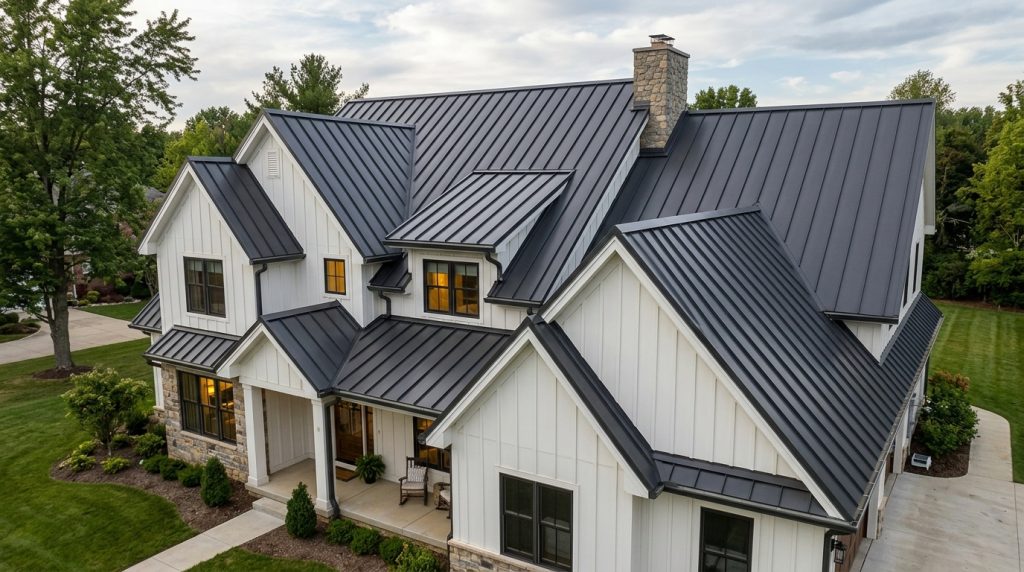
Sizing, Spans, and Coverage
Panel size changes the look, the strength, and the waste on your job. Most residential panels cover 12 to 18 inches of roof width. Rib height usually runs from one to two inches. Wider panels show fewer seams and look more modern. Narrower panels create tighter lines and often resist waves better. Therefore, the right choice depends on taste and roof shape. Length matters as well. Crews can roll panels on site to match the full roof run. Factory-made panels face shipping limits, so planners often split very long runs. Accurate numbers prevent costly mistakes. A closer look at standing seam metal roof dimensions covers widths, rib heights, and length limits in depth. Use that detail before you order material. Keep these sizing basics in mind:
- Coverage width: Twelve, sixteen, and eighteen inches are the most common.
- Rib height: One inch suits mild climates, while two inches suit heavy weather.
- Panel length: Long runs reduce splices, but they need careful handling.
- Waste allowance: Plan for about 10 percent extra on complex roofs.
- Seam spacing: Even spacing creates a rhythm that looks intentional.
Looks and Finishes
Surface Texture
Panels can be flat, striated, or lightly embossed. Flat panels give a sleek, modern look. They also show waves more easily in bright light. Striations and light embossing hide those waves. They also soften glare on sunny days. If you care about surface feel, explore standing seam metal roof texture options before you decide. Oil canning is the wavy look that some flat panels show. It rarely affects performance, yet many owners dislike it. Thicker metal, textured surfaces, and good installation all reduce it.
Color and Paint Systems
Color changes how a roof feels from the curb. Dark shades look dramatic and hide dirt. Light shades reflect more heat and brighten a home. Most quality panels use a PVDF paint system. This coating resists fading and chalking for decades. Many makers back it with a long finish warranty. Browsing standing seam metal roof colors helps you find shades that match brick, siding, and trim. Always test large samples first. Colors shift a lot between morning and evening light. Popular shades tend to follow a few clear patterns:
- Charcoal and black: They create bold contrast with white or light siding.
- Slate gray: It blends with nearly any exterior palette.
- Bronze and brown: They warm up brick and natural wood.
- Forest green: It suits wooded lots and country homes.
- Off-white and light gray: They reflect heat in sunny states.
Cool Roof Coatings
Special pigments reflect sunlight even in darker tones. They can lower attic heat in warm states. Ask your supplier for certified cool-rated options. Check your HOA rules before you fall in love with a shade. Some communities limit bright or reflective finishes. A quick email can prevent a rejected plan.
Budgeting for the Job
Budget planning starts with a realistic range. In the United States, steel systems often run about $10 to $18 per square foot installed. Aluminum costs more, and copper costs far more. Prices vary by region and season. Treat the following ranges as starting points, not promises:
- Galvalume steel: Roughly $10 to $18 per square foot installed.
- Aluminum: Roughly $12 to $22 per square foot installed.
- Copper or zinc: Roughly $20 to $40 per square foot, or higher.
A simple 2,000 square foot roof surface therefore lands near $20,000 to $36,000 in steel. Complex roofs push that number higher. Simple gables land lower.
What Moves the Price
Several factors raise or lower a quote. Understanding them gives you leverage in negotiations:
- Metal type: Copper and zinc cost far more than steel.
- Gauge: Thicker metal adds material cost.
- Roof complexity: Valleys, hips, and dormers add labor.
- Pitch: Steep roofs need more safety gear and time.
- Local labor: Rates swing widely between cities and rural areas.
- Accessories: Snow guards, vents, and custom trim add up.
- Tear-off: Removing old roofing adds disposal and labor.
Anyone building a firm budget should study standing seam metal roof cost in detail. That research reveals hidden add-ons and ways to save. It also helps you spot quotes that look too good.
Value Over Time
Think in cost per year, not just total price. A 50-year roof at $30,000 costs $600 per year. Two shingle roofs at $15,000 each over 40 years cost $750 per year. Energy savings, easier maintenance, and resale appeal add more value. In hail or wildfire regions, some insurers also offer discounts. Ask your agent before you sign a contract.
Climate Playbook
Your local weather should guide your choices. The same roof performs differently in Phoenix and Minneapolis. Smart buyers match the design to the sky above them.
Hot and Sunny Regions
Heat stresses coatings and expands panels. Choose a cool-rated finish and a reliable PVDF paint. Light or mid-tone shades help keep attic temperatures down. Ventilation matters as much as color. A ventilated space under the metal lets heat escape. Some installers add battens or special underlayment for this purpose.
Cold and Snowy Regions
Snow slides fast off smooth metal. Plan snow guards over doors, walkways, and driveways. Strong clips and secure seams also help in heavy snow. Ice dams form when warm attic air melts snow from below. Good insulation and air sealing prevent them. Metal helps, but it cannot fix a leaky attic.
Coastal and Humid Regions
Salt air attacks lesser metals quickly. Aluminum or heavily coated steel holds up best. Rinse the roof once or twice a year to remove salt buildup. Hurricane zones add wind requirements. Mechanically seamed panels and closer clip spacing improve uplift resistance. Ask your contractor for the wind rating of the assembly.
Wildfire and Hail Zones
Metal resists embers better than most roofing. A Class A assembly offers strong protection. Clear leaves and debris from valleys and gutters to reduce risk further. Hail demands thicker gauge or impact-rated panels. Dents may appear on softer metals. However, they usually affect looks more than performance.
What Happens on Install Day
Good work begins long before panels arrive. Crews inspect the deck, check for rot, and confirm measurements. They then order panels cut to exact lengths. Standing seam metal roof installation follows a clear sequence. It starts with a tear-off or overlay decision. Then comes underlayment, flashing, and finally the metal.
Prep and Underlayment
Many pros tear off old shingles for a clean deck. Roofing over shingles saves labor but can trap moisture or show bumps. Local codes also limit the number of layers. Next, the crew lays high-temperature underlayment. Metal gets hot, and cheap felt can break down. A synthetic or peel-and-stick layer protects the deck better. Drip edge and flashing go on before the first panel. Penetrations like vents and chimneys need custom work. These details decide whether the roof stays dry.
Panel Layout and Locking
Installers snap a straight line and set the first panel with care. A crooked start grows worse across the roof. They then fasten clips to the deck at set spacing. Each new panel locks into the previous one. The standing seam metal roof panels themselves arrive with factory-bent edges or get rolled on site. Either way, the crew checks alignment every few feet. Finishing work follows. Crews add ridge caps, valley trim, and snow guards. They also seal around vents with matching flashing.
Timeline
An average home takes three to seven working days. Weather, roof complexity, and crew size change that range. Tear-off adds a day or two. Ask your contractor for a written schedule. Also ask how they protect landscaping and gutters. Clear answers signal a well-run crew.
Can You Do It Yourself?
Skilled homeowners sometimes tackle small outbuildings. A full house, however, demands special tools and precise layout. Manufacturer warranties may also require certified installers. If you still want to try, start with a shed or carport. Practice teaches you how panels behave. It also shows how unforgiving small errors can be.
Slope, Weather, and Code Considerations
Minimum Pitch
Snap-lock systems usually need at least a 3:12 pitch. Mechanically seamed systems can handle lower slopes, sometimes down to a quarter inch per foot. Always follow the manufacturer’s written rating.
Wind, Hail, and Snow Loads
Metal performs well in wind when installed correctly. Clip spacing and seam type matter most. High-wind regions may require extra clips and stronger seams. Hail can dent thin panels but rarely punctures them. Thicker gauge helps a lot. Some manufacturers offer impact-rated products tested to industry standards. Snow slides off metal quickly, which can surprise people. Snow guards hold it in place over doors and walkways. Add them anywhere falling snow could hurt someone.
Permits and Code
Most cities require a permit for reroofing. Coastal and wildfire zones add rules for wind and fire. Your contractor should know the local requirements. Some HOAs also regulate metal roofs. Check your covenants first. A quick call can save a rejected project.
Noise, Condensation, and Comfort
Many buyers fear a loud, hot, or clammy roof. Good design solves each of these worries. Let us walk through them one at a time. Rain sounds stay modest over solid plywood decking. Quality underlayment and attic insulation absorb much of the noise. Open framing, like a carport, will sound louder. Condensation can form under metal when warm, moist air meets a cold surface. A proper underlayment layer helps manage it. Attic ventilation and vapor control finish the job. Comfort improves with reflective coatings and ventilation gaps. Some homeowners report cooler upper floors in summer. Results depend on insulation, climate, and color.
Energy, Sustainability, and Resale Value
Metal roofs earn praise for efficiency. Reflective coatings bounce sunlight away from the attic. Lower attic heat can ease the load on your air conditioner. Many panels contain recycled content. At the end of life, crews can recycle them fully. Shingles, by contrast, often end up in landfills. Resale appeal also counts. Buyers like long warranties and low upkeep. Real estate agents often cite a metal roof as a strong selling point. Savings vary by climate and home design. Do not expect miracles from a poorly insulated attic. Pair the new roof with sound insulation for the best results.
Smart Prep Steps Before You Sign
Preparation protects your budget and your schedule. A few small tasks before the crew arrives prevent big headaches later. Work through this checklist with your contractor:
- Deck check: Ask for a written plan to repair rotten plywood, with a set price per sheet.
- Attic review: Confirm insulation levels and ventilation before the metal goes on.
- Gutter plan: Decide whether to replace or keep gutters, since metal sheds water faster.
- Snow guard layout: Mark doors and walkways that need extra protection.
- Sample approval: Sign off on a physical color and finish sample.
- Access plan: Clear the driveway, move vehicles, and protect nearby plants.
Share this list early. Clear expectations keep both sides honest. Moreover, written details settle disputes quickly.
Best Time to Schedule the Work
Timing affects both price and speed. Late spring and fall offer mild weather for crews. Summer heat can make panels too hot to handle. Winter work is possible, but cold slows sealants and adhesives. Demand also drops in colder months, so some contractors offer discounts. Ask about off-season pricing. Book early, since good crews fill their calendars fast. Many metal specialists schedule weeks or months ahead. Plan your project with that wait in mind.
Upkeep and Lifespan
Metal roofs need little care, but not zero care. Rinse debris off once or twice a year. Check valleys, gutters, and flashing after big storms. Walk lightly or use a drone for inspections. Never scrub with harsh abrasives. They can scratch the paint. Realistic lifespans vary by metal. Galvalume steel lasts 40 to 60 years, aluminum 50 or more, and copper or zinc can exceed 70. Coastal exposure and care affect those numbers.
Warranty Basics
Expect two warranty types. One covers the paint finish. The other covers weathertightness, usually from the installer or system maker. Read the fine print. Some warranties void if untrained crews install the roof. Keep your paperwork somewhere safe.
Common Mistakes to Avoid
Most failures trace back to a handful of avoidable errors. Knowing them helps you ask sharper questions. Here are the big ones:
- Ignoring thermal movement: Tight fasteners cause buckling and noise.
- Choosing the wrong clip: Hot and cold climates need different clip designs.
- Saving on underlayment: Cheap felt breaks down under hot metal.
- Rushing flashing: Most leaks start at penetrations, not panels.
- Skipping samples: Colors and finishes look different on a full roof.
- Picking the lowest bid blindly: A rock-bottom quote often hides shortcuts.
Each mistake costs more to fix than to prevent. Spend time on planning and you will save money later. A careful crew will raise these topics before you do.
Picking the Right Roofer
Look for manufacturer certification and local references. Ask to see finished metal jobs, not only shingle work. Drive by a couple if possible. Put these questions to every contractor:
- Experience: How many metal roofs did you install in the past two years?
- Insurance: Do you carry liability and workers’ compensation coverage?
- Warranty: What does your workmanship warranty cover, and for how long?
- Materials: Which panel, clip, and underlayment brands will you use?
- Schedule: What timeline and cleanup plan do you follow?
Compare quotes line by line. Match the metal, gauge, underlayment, and trim details. A lower bid often leaves something out. Watch for red flags too. Pressure tactics, vague contracts, and large upfront deposits deserve caution. A trustworthy roofer welcomes your questions.
Quick Recap Before You Decide
Let us pull the main points together. They give you a fast reference when quotes start arriving. Keep this list nearby during your search:
- Lifespan: Expect 40 to 70 years, depending on the metal and climate.
- Best metal for most homes: Galvalume steel offers the strongest balance of price and durability.
- Best metal near the coast: Aluminum resists salt air better than steel.
- Seam choice: Snap-lock suits steeper slopes, while mechanical lock suits low slopes and storms.
- Typical steel price: About $10 to $18 per square foot installed.
- Key savings: Simple roof shapes and 26 gauge panels trim the bill.
- Biggest risk: Poor flashing and weak underlayment cause most leaks.
Numbers matter, but crew skill matters more. A great product fails in careless hands. Meanwhile, a skilled installer can make a modest system perform for decades.
Ready to Choose Your Roof?
A standing seam metal roof rewards patient planning. Choose the right metal, seam style, and crew, and the roof can outlast your mortgage. Cut corners, and even the best product can disappoint. Start this week. Measure your roof, list your priorities, and request three written quotes. Then compare them line by line and pick the crew that earns your trust.
Frequently Asked Questions
Is this roof loud in the rain?
No, solid decking and good underlayment keep the sound close to other roof types.
Can I install it over existing shingles?
Sometimes, but most pros recommend tearing off the shingles first for a cleaner result.
Does a metal roof attract lightning?
No, metal does not raise the chance of a strike on your home.
Will hail dent the panels?
Heavy hail can dent thin panels, but thicker gauge and impact-rated products resist it well.
Does it raise home value?
Yes, buyers value the durability, and many owners recoup a solid share of the cost.

Leave a Reply