
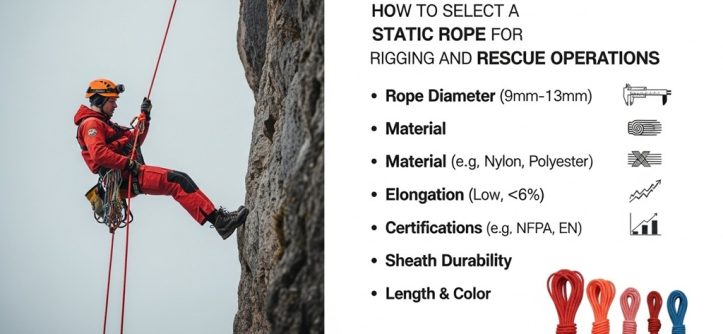
A static rope is a low elongation rope designed to minimize stretch under load, making it ideal for rescue systems, hauling, rappelling, and rigging operations where stability and control are critical.
When lives depend on your gear, rope selection is not a minor decision. In rescue and industrial rigging, dynamic movement can create instability. A rope that stretches too much can cause system failure, shock loading, or uncontrolled descent.
This is where a low stretch rope becomes essential. Unlike dynamic climbing ropes that can stretch up to 30% under fall conditions, static ropes typically stretch less than 5% under working loads. According to EN 1891 standards for low stretch kernmantle ropes, Type A static ropes must maintain elongation under 5% at 150 kg.
In rope rescue scenarios, predictable performance matters more than energy absorption. Whether you’re building a haul system, lowering a stretcher, or anchoring a mechanical advantage setup, rope stability equals control.
The problem? Not all static ropes are built the same. Choosing the wrong diameter, construction, or strength rating can compromise safety and efficiency.
This guide breaks down exactly how to select the right static rope for professional rigging and rescue operations.
What Specifications Define Rescue Rope Strength?
Short Answer: Rescue rope strength is determined by minimum breaking strength (MBS), elongation percentage, diameter, and compliance with standards like EN 1891 or NFPA 1983.
When evaluating rescue rope strength, start with the minimum breaking strength (MBS). This is the maximum load the rope can handle before failure under laboratory testing conditions.
Typical Strength Benchmarks
- 10.5 mm static rope: ~22–25 kN
- 11 mm static rope: ~27–30 kN
- 12.5 mm static rope: ~34–40 kN
1 kilonewton (kN) equals approximately 224.8 pounds of force. So a 30 kN rope theoretically withstands about 6,744 pounds before breaking.
But field safety does not rely on MBS alone. Rescue systems often apply a 10:1 safety factor. That means a rope rated at 30 kN may have a recommended working load limit closer to 3 kN.
Standards to Look For
- EN 1891 Type A: General rescue and rope access
- EN 1891 Type B: Lighter duty use
- NFPA 1983 (USA): General Use and Technical Use rescue ropes
NFPA General Use ropes must have a minimum breaking strength of 40 kN (new rope). Technical Use ropes require at least 27 kN.
If you’re sourcing high-quality options, review certified products like those listed at
rescue rope strength benchmarks to compare construction standards and materials.
Always verify certification documentation. Manufacturer claims without third-party testing are not enough.
How Does Rope Diameter Affect Performance and Safety?
Short Answer: Thicker ropes increase strength and durability but add weight and friction; thinner ropes reduce bulk but may limit compatibility and lifespan.
Diameter impacts handling, friction in hardware, knot efficiency, and overall system performance.
| Diameter | Best Use Case | Pros | Considerations |
|---|---|---|---|
| 10–10.5 mm | Technical rescue | Lighter, easier handling | Lower abrasion resistance |
| 11 mm | General rescue | Balanced strength & control | Slightly heavier |
| 12.5 mm+ | Heavy rigging | Higher MBS, durable | More friction, bulky |
Case studies from fire departments using 11 mm EN 1891 Type A ropes show improved device compatibility with common descenders like Petzl ID and CMC MPD systems. Larger diameters sometimes reduce efficiency in compact pulleys.
Match rope diameter to your hardware specifications. Always check manufacturer recommendations for descenders, ascenders, and rope grabs.

What Is the Difference Between Static and Dynamic Rope?
Short Answer: Static rope minimizes stretch for controlled loads; dynamic rope stretches to absorb fall impact.
Dynamic ropes are designed for climbing falls. They stretch significantly to absorb energy. That stretch becomes a liability in rescue hauling systems.
Static ropes, often labeled as low stretch rope, limit elongation. Under a 150 kg load, EN 1891 Type A ropes must not exceed 5% stretch.
In a 30-meter lowering scenario, 5% elongation equals 1.5 meters. That is predictable and manageable. A dynamic rope could stretch much more, leading to system instability.
For vertical rescue, confined space entry, or industrial rope access, static rope is the correct choice.
Which Materials Are Best for Rescue and Rigging Ropes?
Short Answer: Nylon (polyamide) is standard for rescue ropes due to strength and durability, while polyester offers lower water absorption and better UV resistance.
Nylon (Polyamide)
- High strength-to-weight ratio
- Moderate stretch absorption
- Common in kernmantle construction
Polyester
- Lower water absorption
- Better UV resistance
- Less stretch than nylon
Most certified static ropes use kernmantle construction. The core (kern) provides strength. The sheath (mantle) protects against abrasion.
Water exposure reduces nylon strength by up to 10–15%. For marine or wet rescue operations, consider ropes tested under wet conditions.
How Important Is Certification for Rescue Operations?
Short Answer: Certification ensures the rope meets tested safety thresholds for strength, elongation, and durability.
Third-party testing under EN or NFPA standards confirms:
- Minimum breaking strength
- Sheath slippage limits
- Knot performance
- Static elongation compliance
In documented rescue case reviews, equipment failure often traces back to improper gear selection rather than material defects. Certification reduces that risk.
Never use non-certified rope for life-safety systems.
How Do You Calculate Working Load Limits in Rescue Systems?
Short Answer: Divide the rope’s minimum breaking strength by an accepted safety factor (often 10:1 for life safety).
Example:
- Rope MBS: 30 kN
- Safety Factor: 10:1
- Working Load Limit: 3 kN
In a 3:1 mechanical advantage haul system lifting a 100 kg load (~1 kN), internal forces can exceed simple body weight. System efficiency losses and friction add load.
Always calculate system forces, not just patient weight.
What Length Should You Choose for Rescue and Rigging?
Short Answer: Select rope length based on maximum operational height plus safety margin and system setup needs.
Common lengths:
- 30 m – confined space rescue
- 60 m – standard vertical rescue
- 100 m+ – high-angle operations
Add extra length for anchor wraps, knots, and contingency rigging.
How Do Environmental Factors Impact Rope Performance?
Short Answer: Heat, UV exposure, moisture, and chemicals degrade rope fibers and reduce strength over time.
- UV radiation weakens nylon gradually
- Acid contamination can cause catastrophic failure
- Heat above 150°C can melt synthetic fibers
After heavy loads or shock events, retire the rope if inspection shows glazing, flat spots, or sheath damage.
How Often Should Rescue Ropes Be Inspected and Replaced?
Short Answer: Inspect before and after each use; retire based on manufacturer guidelines, load history, or visible damage.
Best practice includes:
- Documented rope log
- Annual formal inspection
- Immediate retirement after severe shock load
NFPA guidelines often suggest a maximum service life of 10 years from manufacture, even if unused.
Conclusion: How Do You Choose the Right Static Rope with Confidence?
Selecting a static rope for rigging and rescue is about more than diameter or price. It is about understanding load calculations, certification standards, material behavior, and operational demands.
Focus on verified rescue rope strength, certified compliance, and compatibility with your hardware systems. Apply proper safety factors. Document inspections. Replace ropes when necessary.
Lives depend on consistency, not assumptions.
If you’re evaluating reliable options, review certified rope solutions and technical data before purchasing. The right rope supports your system. The wrong rope compromises it.
Take action today. Audit your current rope inventory. Verify certifications. Check service life. Upgrade where needed. Your rescue system is only as strong as the rope you trust.
Frequently Asked Questions (FAQs)
1. What is the minimum rescue rope strength required for life safety?
NFPA General Use rescue ropes require a minimum breaking strength of 40 kN. Technical Use ropes require at least 27 kN.
2. Is a low stretch rope the same as a static rope?
Yes. Static ropes are often labeled as low stretch ropes because they limit elongation under load, typically under 5%.
3. Can I use climbing rope for rescue operations?
Dynamic climbing ropes are not ideal for rescue hauling or lowering systems due to high stretch. Use certified static rescue rope instead.
4. How long does a rescue rope last?
Maximum lifespan is often 10 years from manufacture. Heavy use or shock loads reduce service life significantly.
5. What diameter rope is best for general rescue?
11 mm EN 1891 Type A static rope is widely used because it balances strength, durability, and hardware compatibility.
6. Does water weaken rescue rope?
Nylon ropes can lose 10–15% strength when wet. Always check manufacturer wet-condition ratings.
7. What safety factor should I apply in rescue rigging?
A 10:1 safety factor is commonly applied in life-safety rescue systems.
Related Topic: How to Find the Best 30 Inch Range Hood for Maximum Ventilation
Read Next: How to Choose a Powerful Vacuum Cleaner for Deep Home Cleaning




Leave a Reply