



Imagine stepping into your kitchen and firing up a cooktop that heats in seconds, stays cool to the touch, and saves energy. Induction cooktops change the game for home cooks. They use magnetic fields to heat pots and pans directly. This method skips heating the surface first. Beginners often feel overwhelmed by choices. Yet, this guide simplifies the process. According to the American Council for an Energy-Efficient Economy, induction cooktops reach 90 percent efficiency, far above 74 percent for electric stoves and 40 percent for gas models. Another report from the National Kitchen and Bath Association in 2025 notes that two-thirds of designers expect induction to lead cooking trends in three years. For more insights, check this Induction Cooktop Buying Guide. Now, let’s explore how you pick the right one.
What Is an Induction Cooktop?
Induction cooktops represent a smart shift in kitchen tech. They create heat through electromagnetic fields. When you place compatible cookware on the surface, the field excites molecules in the pot. This action generates heat right in the vessel. Traditional stoves waste energy by heating air or coils first. Induction skips that step entirely. As a result, cooking happens faster and more precisely.
Many people confuse induction with electric cooktops. Electric ones use resistance coils under glass. Induction relies on copper coils that produce magnetic currents. This difference boosts safety and speed. For instance, water boils in half the time on induction. Beginners appreciate this quick response. Additionally, the surface remains cooler, reducing burn risks.
Experts highlight induction’s role in modern homes. Households adopt them for cleaner air and lower bills. Research shows they cut energy use significantly. Therefore, understanding the basics helps you make informed choices.
Benefits of Using an Induction Cooktop
Switching to induction brings multiple advantages. First, energy savings stand out. Studies confirm induction transfers 90 percent of energy to food. Gas manages only 40 percent. Electric hits 74 percent. Consequently, you cook efficiently without excess heat loss.
Safety features shine brightly too. The cooktop activates only with magnetic cookware. Remove the pot, and heat stops instantly. Parents love this for kid-friendly kitchens. Moreover, no open flames mean fewer fire hazards. Statistics from safety organizations back this up.
Cleaning becomes effortless. Spills don’t bake onto the surface since it stays cool. Wipe away messes with a damp cloth. This simplicity appeals to busy cooks. Furthermore, precise temperature control lets you simmer sauces perfectly. Chefs praise this accuracy for better results.
Environmental perks add another layer. Induction reduces greenhouse gas emissions compared to gas stoves. Cities promote them amid air quality concerns. Overall, these benefits make induction a top pick for beginners.

Types of Induction Cooktops
Various types suit different needs. Portable models offer flexibility. You carry them easily for camping or small spaces. They plug into standard outlets. Single-burner versions work well for solo cooks.
Built-in cooktops integrate into countertops. They provide a seamless look in full kitchens. Multiple zones allow cooking several dishes at once. Designers favor them for modern aesthetics.
Freestanding ranges combine oven and cooktop. These units replace traditional stoves entirely. Families often choose them for complete upgrades. Each type serves unique lifestyles.
Hybrid options mix induction with other elements. Some include gas burners for versatility. However, pure induction maximizes efficiency. Consider your space and habits when selecting.
Key Factors to Consider When Choosing an Induction Cooktop
Several elements guide your decision. Size matters most initially. Measure your counter space carefully. Standard widths range from 30 to 36 inches. Smaller apartments might need compact units. Larger families benefit from bigger surfaces.
Power output influences performance next. Higher wattage means faster heating. Look for models with varied levels. This setup accommodates boiling and simmering. Beginners find adjustable settings helpful.
Controls play a crucial role too. Touch panels offer sleek operation. Some feature sliders for precise adjustments. Digital displays show exact temperatures. Voice commands appear in advanced models.
Build quality ensures longevity. Glass-ceramic tops resist scratches. Sturdy frames handle daily use. Reputable brands use durable materials.
Installation type affects setup. Drop-in models fit existing cutouts. Slide-in versions align flush with counters. Portable ones require no installation. Think about your kitchen layout.
Size and Configuration Options
Choosing the right size prevents regrets. Compact cooktops fit tiny kitchens perfectly. They measure around 12 inches wide. Ideal for dorms or RVs.
Standard sizes dominate homes. 30-inch models suit average counters. They host four burners typically. This configuration supports family meals.
Larger options expand capabilities. 36-inch versions add extra zones. Chefs prepare multiple courses simultaneously. Bridge elements connect burners for big pots.
Configuration varies by model. Some offer circular zones. Others include rectangular ones for griddles. Flexible layouts adapt to your cooking style. Therefore, match size to your needs.
Power Levels and Heating Efficiency
Power determines cooking speed. Entry-level units provide 1,200 watts per burner. Advanced ones reach 3,700 watts. Higher power boils water quickly.
Efficiency stems from direct heat transfer. Induction minimizes waste. Tests show it outperforms rivals. For example, a pot heats evenly without hot spots.
Variable settings enhance control. Low levels keep food warm. High bursts sear meats. This range suits diverse recipes.
Boost functions amp up power temporarily. They accelerate tasks like frying. Beginners value this for quick meals. Overall, prioritize efficient power for better experiences.
Controls and User Interface
Intuitive controls simplify use. Touch-sensitive pads respond to fingers. They eliminate knobs for clean lines.
Sliders allow smooth adjustments. Slide your finger to set heat. Digital readouts confirm selections.
Some interfaces include timers. Set them for automatic shutoff. This prevents overcooking. Voice integration connects to smart homes.
User-friendly designs aid beginners. Clear icons guide operations. Backlit displays improve visibility. Consequently, easy controls boost confidence.
Cookware Compatibility
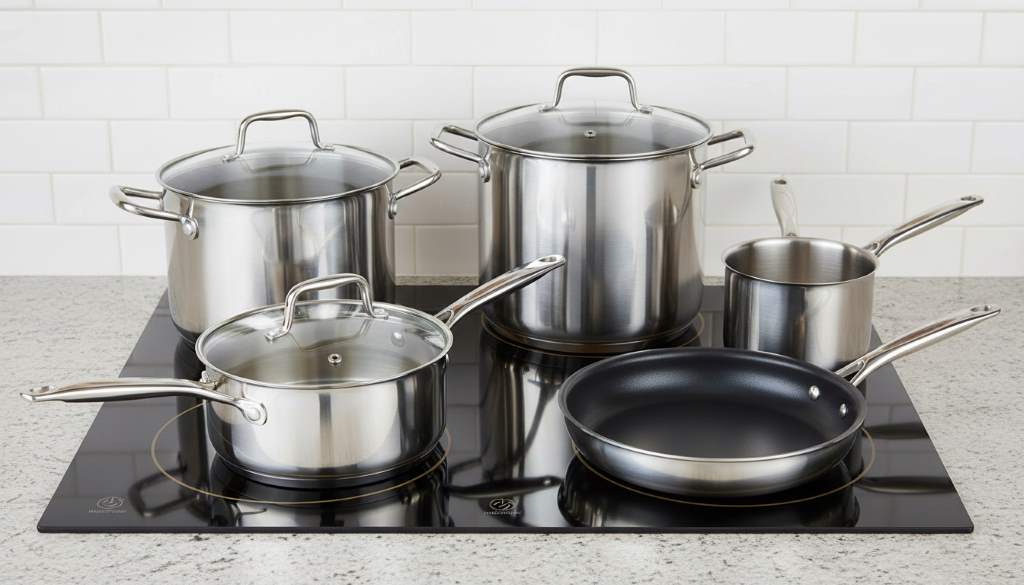
Induction requires specific pots. Magnetic materials work best. Cast iron excels here. Stainless steel with magnetic bases functions well.
Test compatibility simply. Place a magnet on the bottom. If it sticks, the pot suits induction. Non-compatible items won’t heat.
Aluminum and copper need adaptations. Clad bottoms add magnetic layers. Many brands offer compatible sets.
Upgrading cookware enhances performance. Flat bottoms ensure even contact. Warped pans reduce efficiency. Therefore, check your existing collection first.
Related:
Renovate with Confidence: Trusted Kitchen and Bathroom Remodeling Tips
How to Plan a Kitchen Remodel: Ideas, Steps, and Pro Tips
Safety Features to Look For
Safety defines induction’s appeal. Automatic detection activates only with pots. No pan means no heat. This setup avoids accidents.
Overheat protection shuts down burners. Sensors monitor temperatures closely. They prevent fires effectively.
Child locks secure controls. Press buttons to engage them. Kids can’t turn on the cooktop accidentally.
Residual heat indicators warn of hot surfaces. Lights glow until cool. Users avoid burns this way.
Spill-proof designs contain liquids. Edges trap messes for easy cleanup. These features create secure environments.
Installation and Portability Considerations
Installation varies by type. Built-in models need professional help. Electricians handle wiring safely.
Portable units plug in easily. No tools required. Move them between rooms effortlessly.
Ventilation plays a part. Induction produces less heat overall. Still, good airflow maintains comfort.
Counter materials matter too. Heat-resistant surfaces support the cooktop. Granite and quartz work well. Plan your setup accordingly.
Comparing Induction to Other Cooktops
Induction stands out against alternatives. Gas offers visible flames for control. Yet, it poses emission risks. Induction avoids those entirely.
Electric cooktops heat slowly. Coils take time to warm. Induction responds instantly.
Radiant elements under glass mimic induction. However, they lack magnetic efficiency.
Portability favors induction portables. Gas requires lines. Electric needs outlets too. Induction adapts flexibly.
Overall, induction leads in speed and safety. Users switch for these reasons often.
Common Mistakes Beginners Make
New users overlook cookware checks. Non-magnetic pots frustrate them. Always test first.
Ignoring power needs causes issues. Low-wattage outlets limit performance. Verify your setup.
Skipping manuals leads to confusion. Read them for tips. They explain features clearly.
Overcrowding burners reduces efficiency. Space pots properly. Heat distributes better.
Neglecting cleaning routines dulls surfaces. Wipe daily for shine. Avoid these pitfalls for success.
Tips for Testing Induction Cooktops
Visit stores for hands-on trials. Boil water to check speed. Feel the controls intuitively.
Ask salespeople questions. They share user feedback. Compare models side by side.
Read reviews online thoroughly. Real experiences highlight pros. Look for consistent praise.
Consider your recipes. Test simmering functions. Ensure versatility matches needs. These steps guide smart picks.
Maintaining Your Induction Cooktop
Regular care extends life. Wipe surfaces after use. Use soft cloths always.
Avoid abrasive cleaners. Mild soap suffices. Scratches impair appearance.
Check cookware bottoms. Smooth ones prevent marks. Replace damaged pots promptly.
Inspect edges for buildup. Clean them gently. Proper maintenance keeps it performing.
Real-Life Examples and Case Studies
Sarah remodeled her kitchen last year. She chose a 30-inch built-in model. Efficiency amazed her. Meals cooked faster daily.
A study from a university lab tested models. Induction saved 50 percent energy over gas. Participants noted safer handling.
John, a busy dad, picked portable induction. He uses it for quick dinners. Safety features protect his kids.
Restaurants adopt induction too. Chefs control temperatures precisely. Case studies show reduced kitchen heat. These stories illustrate practical value.
Future Trends in Induction Technology
Smart connectivity grows rapidly. Apps control cooktops remotely. Set timers from phones.
Integrated ventilation appears more. Hoods combine with surfaces. They clear smoke efficiently.
Eco-friendly materials advance. Recycled glass tops emerge. Sustainability drives innovation.
Wireless power evolves. No cords needed soon. Trends point to smarter kitchens. Stay informed for upgrades.
Conclusion
Choosing an induction cooktop involves key factors like size, power, and safety. Benefits include efficiency and precision. Avoid common mistakes by checking compatibility. Test models and read reviews for confidence. Maintenance keeps your unit reliable. Future trends promise even better features. Now, assess your kitchen needs and select a model that fits your lifestyle perfectly.
FAQs
FAQ: What Makes Induction Cooktops Energy Efficient?
Induction cooktops heat cookware directly. This method minimizes energy loss. Traditional stoves waste heat on surfaces. Studies show 90 percent efficiency. Users save on bills consequently.
FAQ: Can I Use Any Pot on an Induction Cooktop?
No, only magnetic pots work. Test with a magnet on the base. Cast iron and certain stainless steel suit best. Non-compatible materials fail to heat. Upgrade as needed.
FAQ: How Do Induction Cooktops Improve Kitchen Safety?
They activate only with pots present. Surfaces stay cool during use. Automatic shutoffs prevent overheating. Child locks add protection. These elements reduce accident risks.
FAQ: What Size Induction Cooktop Should Beginners Choose?
Start with your counter space. 30-inch models fit most homes. Portable options offer flexibility. Consider family size too. Measure accurately before buying.
FAQ: Are Induction Cooktops Easy to Clean?
Yes, spills wipe off easily. Cool surfaces prevent baking on. Use mild cleaners daily. Avoid scratches with soft tools. Maintenance takes minutes.
References






Leave a Reply
Cancel reply