



Few household concerns are as insidious and potentially harmful as mold. These microscopic fungi can grow in hidden corners of the home, silently jeopardizing both property and family health. Understanding how mold spreads—and the risks it poses—is crucial for anyone who wants to create a safe living space.
When left unchecked, mold finds its way into the air, onto surfaces, and even into your lungs. Not only does this impact indoor air quality, but it can also trigger a range of health issues, especially for those who are more vulnerable. Learning how to recognize and address mold exposure helps families stay healthy and minimizes expensive repairs due to unchecked growth.
One of the first steps in addressing mold exposure is being vigilant about the signs and sources of contamination in your home. Early intervention frequently means simpler fixes and less risk to your health. Whether you’re experiencing persistent allergies, unexplained headaches, or simply noticing a musty odor, it’s always worth investigating the potential of mold as a culprit.
What Is Mold?
Mold is a type of fungus that exists almost everywhere, both indoors and outdoors. These organisms thrive in damp, warm, and humid environments, where they reproduce rapidly through the release of airborne spores. Since mold spores are microscopic, they often go unnoticed—making prevention and diligent inspection essential.
While some molds play an important role in nature by breaking down dead organic matter, indoor mold can quickly lead to property damage and health issues if not identified and managed promptly.

Common Sources of Indoor Mold
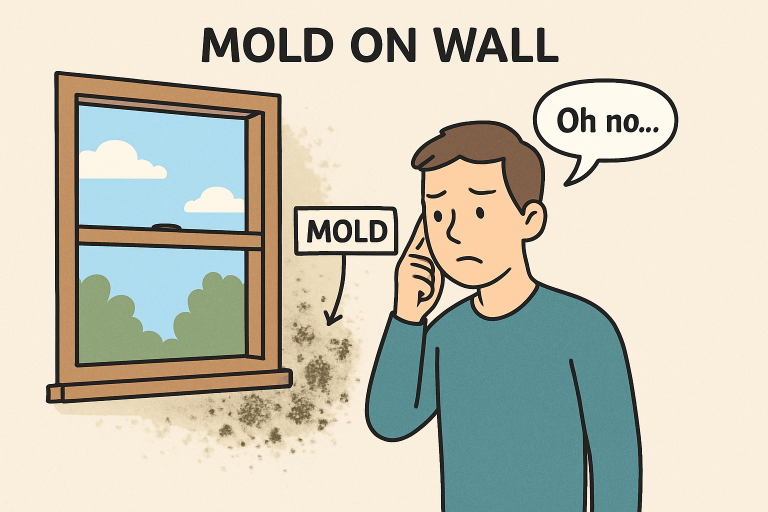
Mold tends to develop in areas where excess moisture is present over extended periods. Typical trouble spots in the home include:
- Leaky roofs, ceilings, and windows allow water intrusion
- Plumbing leaks in kitchens, bathrooms, and basements
- Previous or recent flooding incidents
- Continually high humidity, particularly in poorly ventilated spaces
- Poorly maintained HVAC systems and air ducts
Even drying clothes indoors, using unvented dryers, or neglecting to turn on bathroom fans during showers can create a moist environment where mold can thrive, according to the Centers for Disease Control and Prevention.
Health Risks Associated with Mold Exposure
Mold exposure is known to exacerbate allergies and respiratory issues in individuals who are sensitive to it, which is why mold testing is an important first step in identifying hidden or ongoing problems. The U.S. Environmental Protection Agency (EPA) notes that both live and dead mold can cause health concerns, making effective removal and prevention essential—starting with accurate mold testing to determine the type and extent of contamination.
For most healthy adults, minor mold exposure may result in mild irritation—such as sneezing or coughing—but mold testing can help confirm whether symptoms are linked to indoor mold levels. However, young children, elderly adults, individuals with asthma, immune-compromised people, and those with chronic lung disease may experience more serious reactions. Prolonged or substantial exposure can result in persistent respiratory infections, asthma attacks, allergic reactions, or even hypersensitivity pneumonitis—a rare but serious immune response within the lungs—underscoring the importance of timely mold testing and remediation.
Symptoms of Mold Exposure
- Sneezing, nasal congestion, runny nose
- Itchy, watery eyes or irritation in the throat
- Chronic cough, wheezing, or worsening asthma
- Unexplained skin rashes or irritation
- Headaches, dizziness, or persistent fatigue
In more susceptible individuals, symptoms may escalate to include sinus infections, difficulty breathing, and persistent coughing. If you or someone in your home experiences these symptoms, especially after water damage, it’s wise to investigate mold as a possible cause. The Mayo Clinic provides more information on how mold allergy symptoms can mimic other respiratory conditions, emphasizing the importance of awareness.
Preventing Mold Growth in Your Home
- Maintain indoor humidity below 50% with air conditioners and dehumidifiers
- Use exhaust fans and open windows in bathrooms, kitchens, and laundry rooms
- Repair leaks in the roof, windows, and plumbing immediately
- Thoroughly dry water-damaged areas and belongings within 24-48 hours
- Clean and maintain HVAC systems seasonally
Routine cleaning and moisture control are vital in preventing hidden mold behind walls, under flooring, or within ducts. Proactive care is generally more effective and less costly than remediation after an infestation has already occurred.
Removing Mold Safely
If you find mold in your home, small patches (less than 10 square feet) can usually be cleaned safely using household detergents and water—followed by thorough drying of the area. Wear non-porous gloves, an N95 mask, and protective eyewear during cleanup. Carefully discard any porous materials—such as drywall, insulation, or carpeting—that can’t be completely cleaned.
For larger contamination or instances involving HVAC systems, consult professionals with experience in mold remediation to ensure thorough and safe removal. Attempting to clean large areas or significant damage without proper equipment can result in accidental exposure, spread of spores, or even structural problems.
When to Seek Professional Help
Professional remediation is a must when:
- Mold covers an area greater than 10 square feet
- There is a repeated or ongoing moisture problem you can’t resolve
- Mold is found in air ducts, inside walls, or beyond visible surfaces
- Household members are experiencing significant or unexplained health symptoms
Trained experts have the equipment and knowledge to both clean and prevent future outbreaks, saving you time, money, and potential health issues in the long run.
Final Thoughts
Mold exposure can cause a range of health risks, including mild allergic reactions, severe respiratory conditions, and persistent fatigue. By familiarizing yourself with the warning signs, knowing when to call a professional, and taking proactive steps to prevent moisture buildup, you can safeguard both your health and your home. Informed vigilance is the most effective way to maintain a clean, safe, and comfortable living space for everyone.






Leave a Reply
Cancel reply