


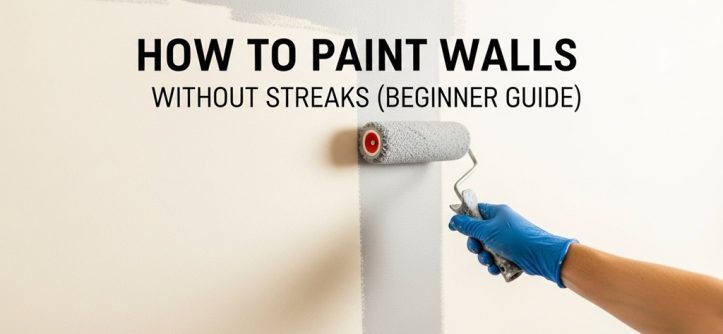
Fresh paint can transform a room faster than almost any renovation. But many beginners face the same frustrating problem: visible streaks on the wall after painting. These streaks often appear as uneven color patches, roller lines, or glossy marks that ruin an otherwise good paint job.
How to paint walls without streaks? The key is proper preparation, using quality tools, applying consistent paint layers, and maintaining a wet edge while painting. When these fundamentals are followed, streaks become much less likely.
Streaky paint usually happens because beginners rush the process, use cheap rollers, or apply uneven coats. The good news is that preventing streaks does not require professional skills. It requires the right method.
According to data from the U.S. Home Improvement Research Institute, over 62% of DIY interior painting issues reported by homeowners relate to uneven coverage or visible roller marks. Most of these problems come from improper technique rather than paint quality.
This beginner guide explains how to paint walls without streaks step by step. You will learn proper wall preparation, correct roller technique, common mistakes to avoid, and proven methods used by professional painters. By the end of this guide, you will be able to achieve a smooth, consistent wall finish even if this is your first painting project.
What Causes Streaks When Painting Walls?
Streaks appear when paint is applied unevenly or dries inconsistently. This usually happens because of improper technique, poor tools, or skipping surface preparation.
Before learning how to paint walls without streaks, it is important to understand why streaks happen in the first place.
Common causes of streaky paint
- Using low-quality rollers or brushes
- Painting on dirty or dusty walls
- Applying too little paint on the roller
- Overlapping dry paint sections
- Skipping primer on porous surfaces
- Using the wrong roller nap thickness
Professional painters refer to one major issue called “dry rolling.” This happens when the roller runs out of paint and begins dragging across the wall, leaving visible lines.
A case study from a residential painting contractor group in Texas showed that switching from economy rollers to professional microfiber rollers reduced streak complaints by almost 45% in DIY projects.
The takeaway is simple: streaks are usually caused by technique and preparation—not the paint itself.
What Tools Do You Need to Paint Walls Without Streaks?
Using the right painting tools significantly reduces the chance of streaks. Cheap tools often create uneven coverage and roller marks.
Essential tools for a smooth paint finish
- High-quality microfiber roller
- Paint tray and liner
- Extension pole for rollers
- 2–2.5 inch angled paint brush
- Painter’s tape
- Primer
- Drop cloths
- Sandpaper (120–220 grit)
Recommended roller nap thickness
| Wall Type | Recommended Roller Nap |
|---|---|
| Smooth drywall | 3/8 inch |
| Light texture | 1/2 inch |
| Heavy texture | 3/4 inch |
Using the wrong roller nap can create uneven paint distribution, which leads to streaking.
How Should You Prepare Walls Before Painting?
Wall preparation is one of the most important steps to avoid streaks. Paint adheres best to clean, smooth surfaces.
Step-by-step wall preparation
- Remove dust and dirt using a damp cloth
- Fill holes or cracks with wall filler
- Sand the patched areas until smooth
- Clean the surface again to remove sanding dust
- Apply primer if the wall has stains or color changes
Skipping primer is one of the most common DIY mistakes.
Primer helps paint spread evenly and prevents the wall from absorbing paint unevenly. This greatly reduces streaking.
A study by a U.K. paint manufacturer showed that walls primed before painting required 22% fewer paint corrections compared to unprimed walls.
What Is the Best Painting Technique to Avoid Streaks?
The best technique is using the “W pattern” combined with maintaining a wet edge. This allows paint to spread evenly across the wall.
Step-by-step painting method
- Load the roller evenly with paint.
- Start near the top of the wall.
- Paint a large “W” shape.
- Fill in the gaps without lifting the roller.
- Move to the next section while the previous paint is still wet.
This method prevents harsh roller lines and spreads paint evenly.
Professional painters usually divide walls into 3 to 4 foot sections to maintain a wet edge.

How Do You Maintain a Wet Edge While Painting?
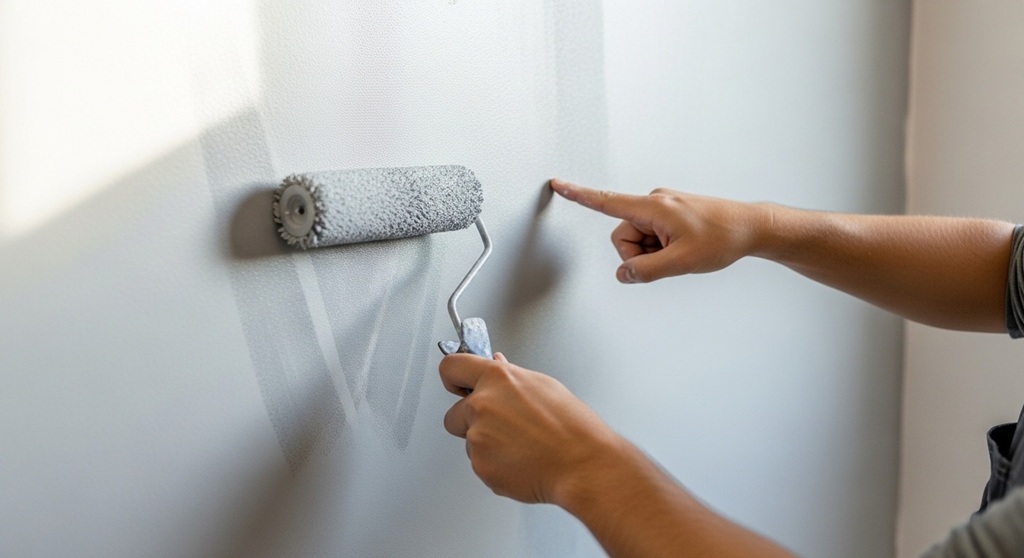
Maintaining a wet edge means overlapping fresh paint onto still-wet paint. This prevents visible lines where sections meet.
Why this matters
When paint dries before the next roller pass, it creates a visible boundary line called a “lap mark.”
Maintaining a wet edge avoids this issue.
Tips to maintain a wet edge
- Work in small sections
- Do not stop halfway across a wall
- Reload the roller frequently
- Paint continuously across the wall
This simple technique is used by nearly all professional painters.
How Many Coats of Paint Prevent Streaks?
Most walls require two coats of paint for even coverage.
One coat often looks patchy or streaky because the surface underneath still affects the color.
Typical painting process
- Primer coat (if needed)
- First paint coat
- Second paint coat
Always allow the first coat to dry completely before applying the second.
Most paints recommend waiting 2 to 4 hours between coats.
Applying the second coat too early can cause dragging and streaking.
What Common Painting Mistakes Cause Streaks?
Many streak problems happen because of small mistakes beginners make.
Mistakes to avoid
- Pressing the roller too hard
- Using too little paint
- Painting in random directions
- Skipping primer
- Using old paint
- Painting in very hot conditions
Heat and airflow can cause paint to dry too quickly. This increases the risk of streaks.
Experts recommend painting when room temperature is between 10°C and 30°C (50°F–86°F).
Can Paint Type Affect Wall Streaking?
Yes, the type and quality of paint can influence streak formation.
Paint finishes and streak visibility
| Finish Type | Streak Visibility |
|---|---|
| Matte | Low |
| Eggshell | Medium |
| Satin | Medium |
| Semi-Gloss | High |
Glossy paints reflect more light, which makes streaks easier to see.
For beginners, matte or eggshell finishes are usually easier to work with.
How Do Professionals Paint Walls Smoothly?
Professional painters follow a consistent process to achieve smooth finishes.
Professional workflow
- Full wall preparation
- Use of professional rollers
- Cutting edges with angled brushes
- Rolling large sections quickly
- Maintaining a wet edge
- Applying two coats minimum
A painting company case study in California reported that using extension poles improved coverage speed by 30% while also reducing streaks caused by uneven pressure.
This is why many professionals rarely paint walls using short rollers.
Conclusion: How to Paint Walls Without Streaks Successfully
Painting walls without streaks is mostly about technique, preparation, and patience. Beginners often think streaks happen because they lack experience. In reality, most streaks occur because of simple mistakes like skipping primer, using poor tools, or letting paint dry before blending sections.
The solution is straightforward: prepare the wall properly, use quality rollers, maintain a wet edge, and apply two consistent coats of paint. These steps dramatically improve the final finish.
If you follow the methods explained in this guide, your painted walls will look cleaner, smoother, and more professional—even if this is your first DIY painting project.
Ready to start your painting project? Gather the right tools, follow these proven techniques, and transform your space with a smooth, streak-free paint finish.
FAQ: How to Paint Walls Without Streaks
Why do my walls look streaky after painting?
Walls usually look streaky because the paint was applied unevenly or sections dried before being blended. Using a consistent roller technique and maintaining a wet edge helps prevent this.
Should I use a brush or roller for smooth wall painting?
Rollers are best for painting large wall areas smoothly. Brushes are mainly used for cutting edges around corners, ceilings, and trim.
Do I need primer before painting walls?
Primer is recommended if the wall has stains, repairs, or strong color changes. It improves paint adhesion and helps create even coverage.
Can I fix streaky paint after it dries?
Yes. Lightly sand the wall with fine sandpaper and apply another even coat of paint using proper rolling technique.
What roller is best to avoid streaks?
A microfiber roller with a 3/8 inch nap is ideal for smooth drywall surfaces. It distributes paint evenly and reduces roller marks.
How long should I wait between paint coats?
Most interior paints require 2–4 hours between coats. Always follow the manufacturer’s instructions on the paint label.
Why do I see roller marks after painting?
Roller marks often happen when the roller runs out of paint or when too much pressure is applied. Reload the roller often and apply light, even pressure.
Read More Also: Why Polyester Mule Tape Is Best for Heavy-Duty Cable Pulling
Find out: How to Pick the Right Pillow for Kids Without Hurting Their Neck





Leave a Reply
Cancel reply