


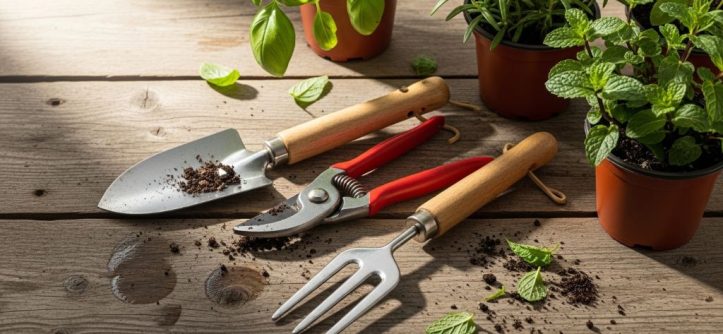
Gardening is one of the most satisfying hobbies you can pursue at home. It connects you with nature, relieves stress, and rewards you with beauty or fresh food. However, not everyone has a large backyard to work with. Many people garden on patios, rooftops, balconies, or in tight urban spaces. The challenge, therefore, is finding the right tools that fit your space without cluttering it.
Choosing the wrong tools can make gardening feel frustrating and inefficient. On the other hand, the right tools can turn even the smallest corner of your home into a thriving green space. This guide will walk you through everything you need to know about selecting tools for small garden spaces. By the end, you will feel confident making smart, practical choices for your unique setup.
Why Tool Selection Matters in Small Spaces
Space is your most precious resource when gardening in a small area. Every item you bring into that space must earn its place. A full-sized spade might work beautifully in a large garden bed, but it becomes a hazard on a narrow balcony or inside a small greenhouse.
Additionally, the wrong tools can damage your plants, containers, and surfaces. Large, heavy tools are difficult to maneuver in tight spots. They can knock over pots, disturb roots, or simply make the work harder than it needs to be.
Therefore, investing time in selecting the right tools upfront saves you money, space, and frustration over the long run. The goal is to build a lean, purposeful toolkit that handles every task without overwhelming your space.
Understanding Your Gardening Space Before You Shop
Before you buy a single tool, take a close look at your gardening space. Measure it if you can. Note how much floor space you have and where you will store tools when they are not in use. Think about the surfaces you will be working on, such as concrete, wood decking, or tile.
Consider what you plan to grow. Herbs and leafy greens need different care than flowering plants or vegetables. Your plant choices will influence which tools you actually need. For example, if you are only growing herbs in small pots, you may not need a watering can with a large capacity at all.
Additionally, think about your physical comfort. If you have limited mobility or strength, lightweight ergonomic tools will matter more to you than someone with no physical limitations. Therefore, your personal needs are just as important as the size of your space.
The Core Qualities to Look for in Small-Space Garden Tools
Not all tools are created equal for small garden environments. When evaluating any tool for a compact space, keep these core qualities in mind.
Compact Size and Lightweight Build
The most obvious requirement is size. Tools designed for small gardens are shorter, narrower, and lighter than standard garden tools. They are easier to use in tight spots without accidentally bumping into other plants or objects.
Lightweight materials such as aluminum and fiberglass reduce fatigue, especially during longer sessions. However, lightweight does not mean flimsy. Look for tools with solid construction despite their reduced weight.
Durability and Material Quality
A cheap tool that breaks after two uses is no bargain. Stainless steel heads resist rust and hold up well over time. Handles made from hardwood, fiberglass, or high-density rubber offer a comfortable and lasting grip.
Additionally, tools with rust-resistant coatings or stainless steel finishes are especially useful in humid environments like balconies near the coast or rooftop gardens exposed to rain.
Multi-Functionality
In a small space, every tool should ideally do more than one job. A cultivator that also loosens soil and removes weeds in one pass is more valuable than three separate single-purpose tools. Therefore, look for tools with combined functions where possible.
Some tool sets come with interchangeable heads that fit a single handle. This type of modular system is ideal for small-space gardeners. You get multiple functions without multiple handles taking up storage space.
Ease of Cleaning and Storage
Tools used in containers and raised beds get dirty quickly. Look for tools with smooth surfaces that rinse off easily. Avoid tools with intricate textured grips that trap soil.
Storage is equally important. Tools that hang on a wall, fold flat, or nest together make a big difference in a compact space. Some compact gardening tools come with hooks or slots specifically designed for vertical storage, which is a smart solution for any small gardening area.
Essential Tools Every Small-Space Gardener Needs
You do not need a large collection to garden well. In fact, a focused set of five to seven tools will handle nearly every task in a small space. Here are the essentials to consider.
Hand Trowel
A hand trowel is the most used tool in any small garden. It helps you plant, transplant, and move soil in containers with precision. Look for one with a comfortable grip and a sharp, narrow blade. A narrow blade gives you better control in crowded pots and tight spaces.
Pruning Snips or Micro Scissors
Regular-sized pruning shears can be too large and powerful for small container plants. Micro pruning snips are designed for delicate work. They trim herbs, deadhead flowers, and shape small plants without crushing stems.
Additionally, sharp blades make cleaner cuts. Clean cuts heal faster and reduce the risk of plant disease.
Soil Scoop or Mini Fork
A soil scoop makes filling pots and mixing soil simple and tidy. A mini fork, on the other hand, helps loosen compacted soil without disturbing roots nearby. Both are small enough to use in the tightest containers and store easily in a small bag or bucket.
Watering Can with a Long Narrow Spout
Watering small containers requires accuracy. A watering can with a long, narrow spout lets you direct water exactly where you want it without splashing soil onto leaves or flooding the pot. Choose a capacity that matches your space. A one-liter can may be perfect for a windowsill, while a three-liter can suits a larger balcony setup.
Spray Bottle or Misting Wand
Many small-space plants, such as herbs and tropical houseplants, benefit from regular misting. A quality spray bottle or an adjustable misting wand gives you gentle, even coverage. This is especially useful when watering seedlings that can be damaged by a heavy water stream.
Weeding Tool
Even small container gardens get weeds from time to time. A narrow weeding tool lets you remove them without disturbing the roots of your desired plants. Look for one with a forked or hooked tip for maximum effectiveness in tight spots.

Choosing the Right Tools for Balcony Gardening
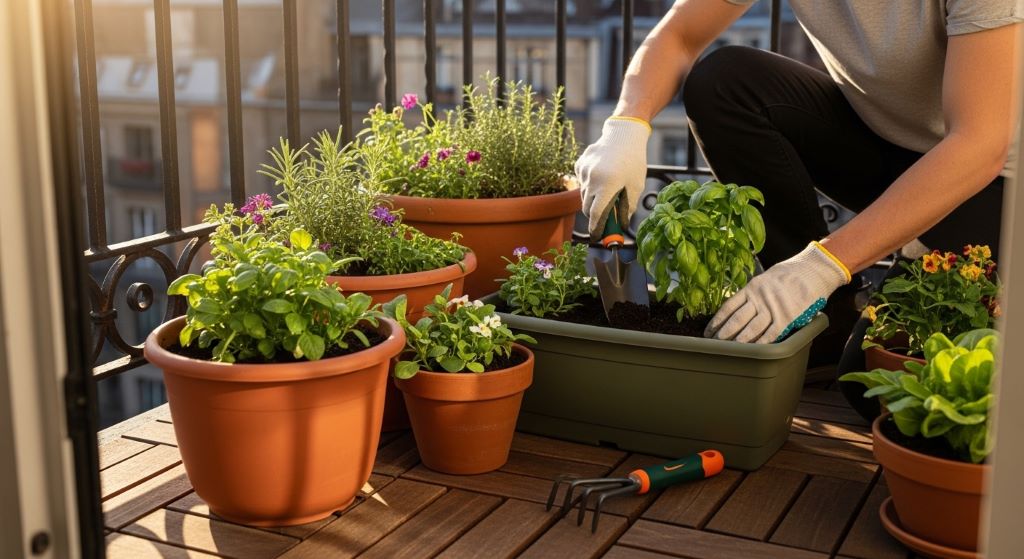
Balcony gardening has its own specific demands. You are working with containers at various heights, often in wind, and with limited floor space. Therefore, your tool selection needs to reflect these conditions.
The best balcony garden tools are those that are lightweight enough to carry easily, compact enough to store in a small bag or box, and durable enough to handle outdoor conditions. Stainless steel tools fare much better on balconies than painted iron ones, which rust quickly when exposed to rain and humidity.
Additionally, consider a small kneeling pad or portable stool if you spend extended time on your balcony garden. Comfort tools are easy to overlook, but they make a significant difference in how long you can garden without fatigue.
Furthermore, think about how you will carry your tools to your balcony. A small canvas tote or a hanging tool organizer that attaches to the balcony railing keeps everything within reach and off the floor.
Tool Sets vs. Individual Purchases: Which Is Better?
Many retailers offer small garden tool sets that include three to seven pieces at a bundled price. These can offer good value, especially if you are just starting out. However, they are not always the best option.
Pre-packaged sets sometimes include tools you will never use. Additionally, individual pieces within a set are often lower quality than stand-alone tools at a similar price point. Therefore, it pays to compare.
If you already know exactly what you need, buying individual tools of higher quality will serve you better. On the other hand, if you are a beginner and unsure where to start, a well-reviewed starter set from a reputable brand is a sensible choice.
Budget Considerations Without Sacrificing Quality
You do not need to spend a lot of money to get good tools. However, it is worth spending a little more on the tools you will use most frequently. A hand trowel and pruning snips, for example, are used almost daily. These are worth investing in.
Less-used tools, such as a weeder or soil scoop, can be mid-range purchases without much risk. The key is to match your spending to how often you will rely on each tool.
Additionally, look for tools with warranties or satisfaction guarantees. These signals often reflect a manufacturer’s confidence in their product. They also protect your purchase if something breaks or fails early.
Caring for Your Small Garden Tools
Good tools last much longer with proper care. After each use, remove soil from blades and tines with a stiff brush or damp cloth. Dry your tools before storing them to prevent rust.
Sharpen cutting tools regularly. A dull blade tears plant tissue instead of cutting it cleanly. This causes unnecessary stress to your plants. A small sharpening stone or diamond file does the job quickly.
Additionally, apply a thin layer of oil to metal surfaces before long-term storage. This prevents rust and keeps the metal in good condition. Linseed oil works well for wooden handles too, keeping them from drying out and cracking.
Store your tools in a dry place. Moisture is the enemy of metal tools. If your storage space is outdoors, use a waterproof bag or a covered container to protect them.
Eco-Friendly and Sustainable Tool Choices
Many gardeners today are making conscious choices about the products they buy. Eco-friendly tools are made from sustainable materials, such as bamboo handles, recycled aluminum, or FSC-certified wood. These options reduce your environmental footprint without sacrificing quality.
Additionally, buying durable tools that last for years is itself an eco-friendly choice. It reduces waste and the need for repeated purchases. Therefore, a well-made tool that serves you for a decade is always the greener option, regardless of the material it is made from.
Some brands also package their tools with minimal or recyclable packaging. These small choices add up over time and contribute to a more sustainable gardening practice overall.
Conclusion
Gardening in a small space is entirely possible with the right tools in hand. The key is to assess your space, understand your needs, and choose tools that are compact, durable, and versatile. You do not need a large collection. A focused set of high-quality essentials will serve you far better than a cluttered toolkit full of items you rarely use.
Whether you are tending to a tiny patio, a windowsill herb garden, or a vibrant balcony setup, the principles remain the same. Prioritize size, quality, and multi-functionality. Invest in the tools you use most and care for them properly to extend their life.
Additionally, remember that gardening is about joy, not perfection. The right tools simply make the process easier and more enjoyable. With this guide, you are well on your way to building a smart, practical toolkit for your small garden space at home.
Frequently Asked Questions
1. What are the most important tools for a very small container garden?
The most essential tools for a small container garden are a hand trowel, a pair of micro pruning snips, a watering can with a narrow spout, and a small weeder. These four items will handle the majority of daily gardening tasks. Additionally, a spray bottle is useful if you grow herbs or tropical plants that enjoy regular misting.
2. Can I use regular full-sized garden tools in a small space?
You can, but it is not ideal. Full-sized tools are harder to maneuver in tight spaces and can easily damage plants or containers. They are also more difficult to store. Therefore, scaled-down tools designed for small spaces will make your gardening experience much more comfortable and efficient.
3. How do I store garden tools on a balcony without taking up too much space?
Vertical storage is your best friend on a balcony. Use a wall-mounted tool rack, a hanging canvas organizer, or a railing-mounted caddy to keep tools off the floor. Additionally, a small waterproof bucket or a compact tool bag can store a full set of small garden tools in a single tidy unit.
4. How do I know if a tool is good quality without trying it in person?
Read customer reviews from verified buyers, paying special attention to comments about durability after several months of use. Look for tools made from stainless steel or carbon steel with solid handle materials like hardwood or fiberglass. Additionally, brands that offer warranties on their tools are generally more confident in their quality.
5. Are there tool sets designed specifically for balcony or small-space gardening?
Yes. Many gardening brands now offer sets specifically labeled for container or small-space gardening. These typically include three to five compact gardening tools at a bundled price. They are a great starting point for beginners. However, as your needs grow, you may want to supplement the set with individual higher-quality pieces tailored to your specific plants and setup.
Related Topics:
What To Do With Hellebores In Summer: Your Guide to a Stunning Winter Show
How to Choose the Right Trees and Shrubs for Your Landscape




Leave a Reply
Cancel reply