
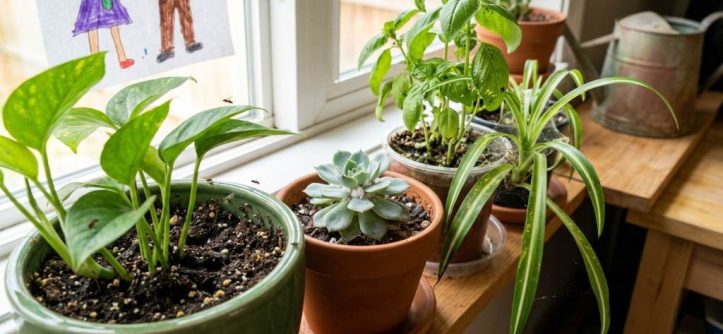
Phoenix homeowners love indoor and outdoor potted plants because they add color and improve air quality. However, the hot desert climate also creates perfect conditions for several stubborn plant pests. According to the University of Arizona, common household plant pests increase rapidly during warm months when temperatures stay above 85°F. In addition, studies show that over 60% of indoor plant owners deal with insect infestations at least once each year. Many families also search for a reliable natural treatment for silverfish in potted plants when pests begin spreading indoors. Understanding these pest problems helps Phoenix residents protect their plants and maintain healthier living spaces.
Why Plant Pot Pests Are Common in Phoenix
Phoenix has long summers, dry heat, and mild winters that support pest activity throughout most of the year. Many insects hide inside potting soil because it offers moisture and protection from direct sunlight. Indoor plants also stay vulnerable since air-conditioned homes create stable environments for pests. As a result, infestations can grow quickly without early detection.
Families often move potted plants between patios and indoor spaces during seasonal temperature changes. Unfortunately, this movement allows pests to spread from one area to another. Small insects may enter homes through drainage holes or soil bags bought from garden centers. Therefore, consistent plant care becomes essential for preventing larger infestations.
Overwatering also contributes to many pest problems in Phoenix homes. Although the climate feels dry, wet soil still attracts fungus gnats, centipedes, and silverfish. Poor drainage increases humidity near plant roots and creates ideal breeding conditions. Consequently, many pest outbreaks begin because of simple watering mistakes.
Common Plant Pot Pests in Phoenix Homes
Fungus Gnats
Fungus gnats are tiny flying insects commonly found around indoor plant pots. Their larvae live inside moist soil and feed on decaying organic material. While adult gnats mainly annoy homeowners, the larvae can damage delicate plant roots. Young plants often suffer the most from these infestations.
Phoenix families usually notice fungus gnats near windows, lamps, or kitchen plants. Since these insects reproduce quickly, small problems can become severe within days. Overwatered plants often attract the highest number of gnats. Therefore, reducing excess moisture helps control their population naturally.
To prevent fungus gnats, families should allow the top layer of soil to dry between watering sessions. Adding sand or gravel on top of the soil also discourages egg-laying. Sticky traps provide another effective solution for capturing adult insects indoors. Additionally, replacing old potting soil may stop recurring infestations.
Spider Mites
Spider mites thrive in Phoenix because they prefer hot and dry environments. These tiny pests feed on plant sap and leave yellow or brown spots on leaves. Heavy infestations may also create thin webbing underneath foliage. Consequently, plants often appear dusty or unhealthy.
Indoor plants near sunny windows face higher risks during summer months. Spider mites spread rapidly between nearby plants when conditions stay warm. Families may accidentally transfer mites through gardening tools or hands after touching infected plants. Therefore, regular inspections help reduce long-term damage.
Washing leaves with water helps remove mites before infestations worsen. Neem oil sprays also work well for controlling spider mite populations naturally. In addition, increasing humidity around plants slows their reproduction cycle. Phoenix residents should isolate infected plants immediately to prevent spreading.
Mealybugs
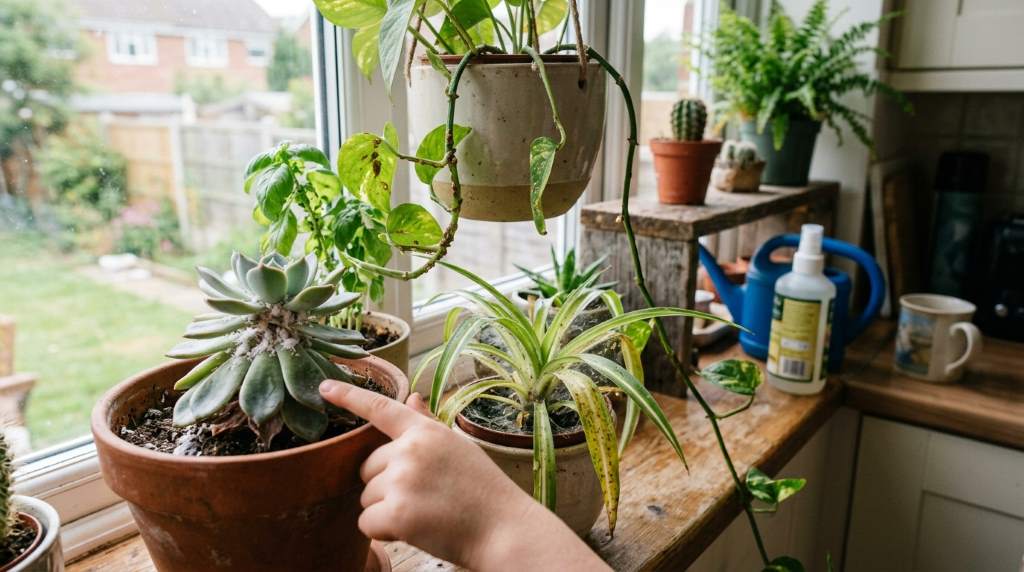
Mealybugs appear as small white cotton-like clusters on stems and leaves. These pests suck plant juices and weaken overall growth over time. Infested plants may develop yellow leaves, stunted growth, or sticky residue called honeydew. Moreover, ants often appear near mealybug infestations because they feed on the sugary secretion.
Families frequently discover mealybugs on succulents and tropical indoor plants. Since Phoenix residents commonly grow these plants indoors, infestations happen regularly. Mealybugs hide in tight spaces near stems, making them difficult to notice early. Consequently, regular plant inspections become important for prevention.
Rubbing alcohol on cotton swabs effectively removes visible mealybugs from plants. Pruning heavily infected areas also limits pest spread. Furthermore, avoiding overcrowded plant arrangements improves airflow and reduces infestation risks. Consistent monitoring remains the best long-term solution.
Aphids
Aphids are soft-bodied insects that gather on new plant growth and flower buds. They feed on plant sap and weaken stems quickly. Many aphid infestations produce curled leaves and sticky residue on surfaces below plants. In severe cases, plants may stop growing altogether.
Phoenix gardens and balconies often attract aphids during spring and early summer. Wind can carry these insects from nearby outdoor plants into homes. Additionally, fertilizing plants too heavily encourages soft growth that aphids prefer. Therefore, balanced plant nutrition helps reduce infestations naturally.
Families can spray aphids off plants using a strong stream of water. Insecticidal soap also provides effective treatment for larger infestations. Ladybugs help control outdoor aphid populations naturally as well. However, early treatment remains critical for protecting delicate plants.
Silverfish
Silverfish are fast-moving insects that prefer dark and humid areas around plant pots. Although they mainly feed on organic matter, they can still damage roots and nearby materials. Families often notice them hiding under pots or inside damp soil trays. Consequently, neglected moisture problems often increase silverfish activity indoors.
Phoenix homes with frequent indoor watering may unknowingly attract silverfish populations. Bathrooms, laundry rooms, and shaded patios create additional hiding spots nearby. These insects survive well in warm indoor environments despite the dry outdoor climate. Therefore, proper ventilation becomes important for prevention.
Reducing excess moisture around plant containers helps discourage silverfish infestations. Families should empty standing water trays regularly and improve air circulation indoors. Natural repellents like cedar and cinnamon may also help reduce pest activity. Consistent cleaning around plant areas further limits hiding spaces.
Centipedes and Millipedes
Centipedes and millipedes occasionally appear inside plant pots because they seek moisture and shelter. While centipedes may eat smaller pests, millipedes feed on decaying organic matter in soil. Large numbers often indicate overly wet conditions around plants. As a result, homeowners should inspect watering habits carefully.
These pests usually hide beneath pots, stones, or mulch during the daytime. Phoenix monsoon season can temporarily increase their activity around homes and patios. Families may become concerned when centipedes enter living spaces from plant areas. Therefore, keeping plant zones dry reduces indoor pest movement.
Improving drainage remains one of the best prevention methods for these pests. Potting mixes should stay loose and avoid trapping excess water. Additionally, cleaning dead leaves and debris around plants removes food sources. Simple maintenance practices often solve the problem quickly.
Signs Your Potted Plants Have Pest Problems
Early detection helps prevent severe plant damage and larger infestations. Families should inspect leaves, stems, and soil regularly for unusual changes. Small warning signs often appear before pests become visible. Therefore, consistent monitoring protects plants more effectively.
Common signs of plant pot pests include:
- Yellow or spotted leaves
- Sticky residue on leaves or nearby surfaces
- Tiny flying insects near pots
- White cotton-like patches on stems
- Wilting despite proper watering
- Thin webs under leaves
- Small insects hiding in soil
Plants that suddenly stop growing may also indicate hidden root damage. Some pests attack roots directly and remain unseen for long periods. Consequently, unhealthy plants should always receive closer inspection. Fast action usually prevents more expensive plant replacement later.
Best Prevention Tips for Phoenix Families
Choose the Right Potting Soil
Quality potting soil reduces the chances of pest infestations significantly. Cheap soil mixtures sometimes contain insect eggs or poor drainage materials. Phoenix gardeners should select sterile and well-draining soil blends whenever possible. Consequently, plants remain healthier and less attractive to pests.
Organic matter still benefits plants, but excessive moisture retention creates problems. Families should avoid reusing heavily infested soil from old containers. Fresh soil supports stronger root systems and lowers disease risks. Additionally, proper drainage improves overall plant health.
Avoid Overwatering
Overwatering remains one of the most common causes of plant pest outbreaks. Although Phoenix temperatures feel extreme, indoor plants often need less water than expected. Wet soil attracts fungus gnats, silverfish, and root-related pests quickly. Therefore, checking soil moisture before watering helps prevent infestations.
Families should use pots with drainage holes to remove excess water safely. Emptying drip trays also prevents standing moisture from building up indoors. Furthermore, watering plants in the morning allows faster evaporation during the day. Smart watering habits greatly reduce pest activity.
Improve Indoor Airflow
Poor airflow encourages moisture buildup and creates favorable pest conditions. Phoenix homes often stay closed during hot weather because of air conditioning. Unfortunately, stagnant indoor air increases humidity around plant areas. Therefore, improving ventilation supports healthier plant environments.
Using fans near indoor plants helps keep leaves and soil surfaces dry. Spacing plants apart also improves airflow and limits pest spreading. Additionally, opening windows during cooler evenings may help reduce indoor humidity naturally. Better airflow supports stronger and healthier plants overall.
Inspect New Plants Carefully
New plants sometimes carry hidden pests into homes without obvious warning signs. Families should always inspect leaves, stems, and soil before bringing plants indoors. Quarantining new plants for a few weeks also reduces infestation risks. Consequently, existing plants stay safer from contamination.
Garden centers may unintentionally sell plants with early pest problems. Tiny insects often hide beneath leaves or inside root systems. Therefore, careful inspection protects both indoor and outdoor plant collections. Preventive action remains easier than treating widespread infestations later.
Safe Pest Control Options for Families
Many Phoenix families prefer natural pest control methods because they protect children and pets. Chemical pesticides may create indoor air concerns when used improperly. Fortunately, several safer solutions work well for common plant pot pests. Natural methods also reduce long-term environmental impact.
Popular natural pest control options include:
- Neem oil sprays
- Insecticidal soap
- Sticky insect traps
- Diatomaceous earth
- Cinnamon powder for fungus prevention
- Rubbing alcohol for mealybugs
- Beneficial insects for outdoor plants
Families should always test treatments on small plant areas first. Some sensitive plants react differently to oils or soaps. Additionally, regular cleaning and maintenance improve the success of natural solutions. Combining prevention with treatment delivers the best long-term results.
Seasonal Pest Challenges in Phoenix
Phoenix weather changes create different pest patterns throughout the year. Summer heat increases spider mite activity because dry conditions support rapid reproduction. Meanwhile, monsoon humidity encourages fungus gnats and moisture-loving insects. Therefore, plant care routines should adjust seasonally.
Winter months may still support indoor pest problems despite cooler outdoor temperatures. Heated homes provide stable warmth that allows insects to survive year-round. Consequently, families should continue monitoring indoor plants during every season. Consistent care remains important throughout the year.
Outdoor patio plants face additional stress during extreme summer heat. Stressed plants become weaker and more vulnerable to pest attacks. Therefore, providing shade and proper watering strengthens natural plant defenses. Healthy plants resist infestations more effectively than unhealthy ones.
When to Call a Professional
Some infestations become too severe for basic home treatment methods alone. Large pest populations may spread rapidly between multiple plants and rooms. Professional pest control services can identify hidden problems more accurately. Consequently, expert help sometimes saves valuable plant collections.
Families should consider professional assistance if pests keep returning after treatment. Extensive root damage or widespread indoor infestations also require advanced solutions. Additionally, professionals may recommend safer long-term prevention strategies for Phoenix homes. Early professional intervention often reduces future expenses.
Choosing experienced local pest specialists provides better climate-specific advice. Phoenix experts understand the unique pest behaviors caused by desert weather conditions. Therefore, their recommendations often produce more reliable results for area homeowners. Local knowledge plays a major role in successful treatment plans.
Conclusion
Plant pot pests remain a common challenge for families throughout Phoenix, AZ. Hot weather, indoor moisture, and year-round warmth create ideal conditions for insects like fungus gnats, spider mites, silverfish, and aphids. However, proper watering, good airflow, and regular plant inspections greatly reduce infestation risks. Natural treatments and preventive care also help families maintain healthier indoor and outdoor plants safely. If pest problems continue despite your efforts, contact a trusted local plant or pest care professional for expert support before the infestation spreads further.
FAQs
What is the most common plant pot pest in Phoenix, AZ?
Fungus gnats are among the most common pests because they thrive in moist potting soil.
How can I stop pests from spreading between indoor plants?
Isolate infected plants immediately and clean gardening tools after each use.
Do spider mites survive in Phoenix heat?
Yes, spider mites thrive in hot and dry conditions common in Phoenix.
Can overwatering attract plant pests?
Yes, excessive moisture attracts fungus gnats, silverfish, and other soil pests quickly.
Are natural pest treatments safe for pets and children?
Most natural options like neem oil and insecticidal soap are safer when used correctly.
Related Reads
Explore: How to Choose Tools for Small Garden Spaces at Home
Learn: Traditional English Gardens Are Back – Here’s How to Restore Yours
Discover: Water-Wise Gardening Tips Every Canadian Should Know



Leave a Reply