
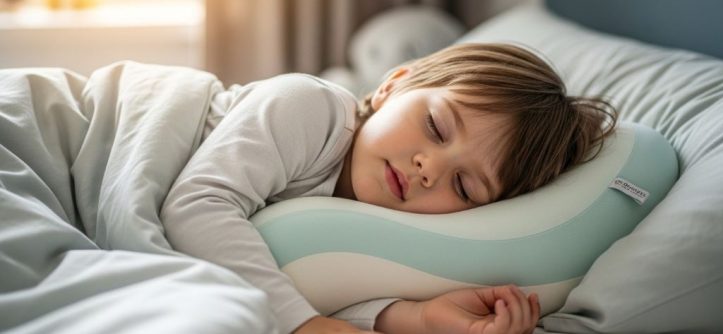
Choosing the right pillow for your child might seem like a simple task, but it’s actually one of the most important decisions you’ll make for their sleep health. The wrong pillow can cause neck pain, disrupt sleep quality, and even affect your child’s developing spine. Meanwhile, the right pillow supports healthy growth and ensures your little one wakes up refreshed and ready for the day.
Many parents don’t realize that children’s pillow needs differ significantly from adult requirements. A child’s body is still growing, and their spine alignment needs change as they develop. Therefore, understanding what makes a pillow suitable for kids is essential for their comfort and long-term health.
This comprehensive guide will walk you through everything you need to know about selecting the perfect pillow for your child. You’ll learn about age-appropriate options, materials, firmness levels, and safety considerations that matter most for growing bodies.
Understanding Why Kids Need Different Pillows
Children are not simply small adults. Their bodies have unique proportions and different support requirements. A child’s head is proportionally larger compared to their body than an adult’s, which affects how their spine aligns during sleep.
Additionally, children’s bones and muscles are still developing. The cervical spine, which runs through the neck, goes through significant changes from infancy through adolescence. Using an inappropriate pillow during these crucial developmental years can lead to poor posture habits and discomfort.
Kids also tend to move more during sleep than adults. They shift positions frequently, roll around, and sometimes end up in seemingly impossible sleeping positions. Therefore, their pillows need to accommodate this active sleep style while still providing proper support.
Moreover, children have different sensory preferences and comfort needs. Some kids prefer softer textures, while others like firmer support. Temperature regulation also matters more for children, as they often sleep warmer than adults and may overheat easily with certain pillow materials.
When to Introduce a Pillow
One of the most common questions parents ask relates to timing. Knowing when to transition your child from sleeping flat to using a pillow is crucial for child pillow safety.
Infants under 12 months should not use pillows at all. Sleep experts and pediatricians strongly recommend keeping the crib completely clear of pillows, blankets, and stuffed animals. This bare sleep environment significantly reduces the risk of suffocation and sudden infant death syndrome.
Toddlers between 12 and 18 months may be ready for their first pillow, but this varies by child. Look for signs that your toddler is ready, such as trying to rest their head on stuffed animals or blankets during sleep. However, many children do perfectly fine without a pillow until age two or even older.
Once you decide to introduce a pillow, start with something very thin and small. A pillow designed specifically for toddlers will be much flatter than an adult pillow. This gradual introduction helps your child’s body adjust while minimizing any risks.
Remember that every child develops at their own pace. Some children naturally gravitate toward using a pillow, while others seem comfortable without one for longer. Trust your observations and your child’s preferences while keeping safety as the top priority.
Size and Height Considerations
Pillow size makes an enormous difference in how well it supports your child’s neck and spine. Standard adult pillows are far too large and thick for most children under 10 years old.
The general rule is that your child’s pillow should maintain neutral spine alignment when they’re lying down. This means their head shouldn’t tilt upward or downward significantly. Instead, their ear should align roughly with their shoulder when lying on their side.
Toddler pillows typically measure around 13 by 18 inches and are one to two inches thick. These proportions suit children aged two to five years. The smaller size prevents the pillow from overwhelming their sleeping space and makes it easier for little ones to move around comfortably.
Children aged six to twelve usually need a slightly larger pillow, often called a youth or junior size. These measure approximately 16 by 22 inches and can be two to three inches thick, depending on the child’s size and sleeping position preferences.
Teenagers can generally transition to adult-sized pillows, though some may still prefer smaller options. Pay attention to your teen’s body proportions rather than just their age. A petite 13-year-old might still benefit from a youth pillow, while a larger 11-year-old might be ready for an adult size.
Firmness Levels for Different Ages
Firmness directly impacts how well a pillow supports your child’s neck. Too soft, and the head sinks down, creating an awkward angle. Too firm, and the pillow pushes the head up unnaturally.
Young children generally need softer pillows than older kids and adults. Their lighter head weight means they don’t compress firmer materials enough to achieve proper support. A pillow that feels just right to you might be much too firm for your five-year-old.
Test firmness by pressing down on the pillow. For toddlers and young children, the pillow should compress easily under light pressure. It should spring back when you remove your hand but not feel bouncy or overly resilient.
School-aged children can usually handle medium-firm pillows. As they grow bigger and heavier, they need slightly more resistance to maintain proper alignment. However, avoid anything described as firm or extra-firm until they’re teenagers at the earliest.
Consider your child’s sleeping position when evaluating firmness. Side sleepers generally need slightly firmer support than back sleepers. Stomach sleepers, though this position isn’t ideal, need the softest, thinnest pillows to prevent their neck from cranking upward.
Materials That Work Best for Children
The materials inside a pillow affect everything from support to breathability to allergen resistance. Different fill materials offer various benefits for growing children.
Polyester fiber fill is common in kids bedding essentials because it’s affordable, hypoallergenic, and washable. These pillows work well for younger children who might have accidents or spills. However, polyester doesn’t always provide the most consistent support and may flatten over time.
Memory foam pillows offer excellent support and conform to your child’s head shape. They maintain alignment well and last longer than many other materials. Nevertheless, some memory foam can sleep hot, so look for gel-infused or ventilated versions designed for better temperature regulation.
Natural latex provides responsive support while remaining breathable. It’s naturally resistant to dust mites and mold, making it an excellent choice for children with allergies. Latex pillows tend to be more expensive but often last longer than other options.
Down and feather pillows feel luxuriously soft but aren’t ideal for most children. They’re difficult to clean, can trigger allergies, and don’t provide consistent support for developing necks. If you prefer natural materials, consider natural latex or organic cotton-filled options instead.
Buckwheat hulls create an adjustable pillow that molds to your child’s head while staying cool. However, they’re quite firm and make rustling sounds when your child moves, which some kids find disruptive to sleep.
Breathability and Temperature Control
Children often sleep warmer than adults, making breathability an important consideration. A pillow that traps heat can lead to sweaty, uncomfortable sleep and frequent night waking.
Look for pillows with breathable covers made from natural fibers like cotton or bamboo. These materials wick moisture away from the skin and allow air to circulate. Avoid synthetic covers that feel plasticky or waterproof unless they’re specifically designed with ventilation features.
The pillow fill also affects temperature. Memory foam tends to trap heat unless it’s specifically designed with cooling technology. Polyester fiber and latex generally sleep cooler because air can flow between the fibers.
Some pillows include cooling gel layers or phase-change materials that actively regulate temperature. While these technologies can be helpful for kids who sleep hot, they’re not necessary for every child. Many basic cotton-covered pillows with breathable fill provide adequate temperature control.
Consider your home’s climate and your child’s typical sleep temperature. If your child regularly kicks off blankets or wakes up sweaty, prioritize cooling features. If they tend to burrow under covers and seek warmth, temperature regulation may be less critical.
Washability and Maintenance
Kids are messy, and their pillows take quite a beating. Between spills, drool, occasional accidents, and general dirt, children’s pillows need to be cleaned regularly. Therefore, washability becomes a key factor in selecting the right pillow.
Look for pillows that are completely machine washable, not just the cover. Being able to throw the entire pillow in the washing machine makes maintenance much easier. Check the care label to ensure both washing and drying are straightforward processes.
Removable, washable covers add an extra layer of protection and make cleaning even more convenient. You can wash the cover weekly while deep-cleaning the entire pillow monthly or as needed. Choose covers with zippers that are secure enough to stay closed but easy enough for you to open.
Some materials simply aren’t practical for kids’ pillows because they can’t be washed. Feather pillows and some memory foam options require dry cleaning or spot cleaning only. These limitations make them less suitable for children who are still prone to accidents and spills.
Plan to replace your child’s pillow more frequently than you’d replace your own. Even with regular washing, kids’ pillows wear out faster due to rougher treatment and more frequent cleaning cycles. Budget for replacing pillows every one to two years for young children.
Allergen Resistance and Safety Materials
Many children suffer from allergies or sensitivities that can disrupt their sleep. Choosing hypoallergenic materials helps minimize reactions and promotes healthier rest.
Hypoallergenic doesn’t mean allergen-free, but it does indicate materials that are less likely to trigger reactions. Synthetic fills like polyester are naturally resistant to dust mites, while natural materials like latex have antimicrobial properties.
Look for pillows with certifications indicating they’re free from harmful chemicals. OEKO-TEX Standard 100 certification ensures the materials have been tested for substances known to be harmful to health. CertiPUR-US certification applies to foam products and indicates they meet specific safety standards.
Avoid pillows with strong chemical odors, which can indicate the presence of volatile organic compounds. New pillows may have a slight smell initially, but this should dissipate within a day or two of airing out. Persistent strong odors suggest you should choose a different product.
Consider organic options if your child has severe allergies or if you prefer natural materials. Organic cotton covers and natural latex fills eliminate concerns about pesticides and synthetic chemicals. While more expensive, these pillows offer peace of mind for health-conscious families.
Supporting Different Sleep Positions
Most children move through various positions during the night, but they often have a preferred starting position. Understanding how different positions affect neck alignment helps you choose the most appropriate pillow.
Side sleeping is the most common position for children and generally the healthiest for spine alignment. Side sleepers need a thicker pillow that fills the space between the mattress and their head. The pillow should keep their head level with their spine rather than tilting up or down.
Back sleeping requires less loft than side sleeping. When lying on their back, your child’s head should rest in a neutral position without tilting the chin toward the chest or letting the head fall backward. A medium-height pillow usually works best.
Stomach sleeping is the most challenging position because it requires turning the head to one side, which strains the neck. If your child insists on stomach sleeping, use the thinnest pillow possible or consider no pillow at all. Never force a thick pillow under a stomach sleeper’s head.
Combination sleepers who shift between positions need a versatile pillow that works reasonably well in multiple orientations. Medium-loft pillows with some adjustability often serve combination sleepers best.
Teaching Good Sleep Posture Habits
Providing the right pillow is only part of the equation. Teaching your child good sleep posture habits ensures they use their pillow correctly and maintain healthy alignment throughout the night.
Show your child how to position their pillow properly. The pillow should support their head and neck, not their shoulders. Many kids tend to scrunch their pillow under their shoulders, which defeats its purpose and can cause neck strain.
Encourage your child to pay attention to how they feel in the morning. Ask them about any neck stiffness or discomfort. This feedback helps you determine whether their current pillow is working well or needs adjustment.
Make bedtime routines consistent, including how your child settles into bed. When they climb into bed the same way each night, they’re more likely to position their pillow correctly out of habit.
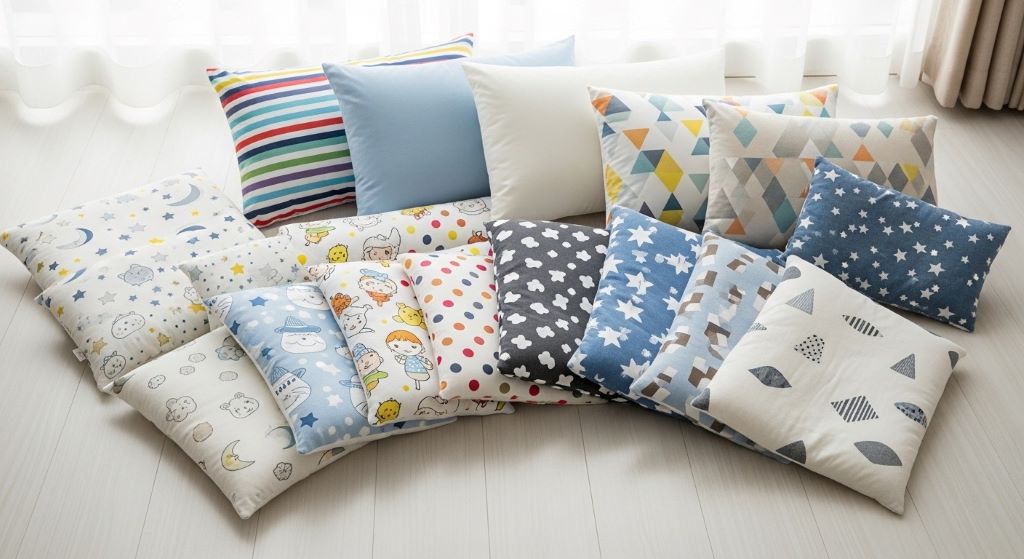
Consider using visual aids for younger children. You might mark the center of the pillow with a small sticker or use a pillowcase with a fun design that naturally orients the right way.
Special Considerations for Medical Conditions
Some children have medical conditions that require special attention when selecting a pillow. Always consult with your child’s doctor if they have specific health concerns.
Children with asthma or respiratory issues benefit from elevated sleeping positions. However, rather than using a very thick pillow that tilts the head awkwardly, consider elevating the entire head of the mattress slightly.
Kids with reflux or digestive issues may also need elevation. Again, elevating the mattress provides better support than simply stacking pillows. If you must use pillows for elevation, ensure the arrangement maintains neutral spine alignment.
Children with torticollis or other neck conditions need pillows specifically recommended by their physical therapist or doctor. These medical-grade pillows provide specialized support that standard pillows can’t match.
Kids with sensory processing issues may have strong preferences about pillow texture, weight, or firmness. Work with their occupational therapist to find options that meet their sensory needs while still providing proper physical support.
Budget-Friendly Options That Don’t Sacrifice Quality
Quality children’s pillows don’t have to break the bank. Several affordable options provide excellent support and safety without premium price tags.
Many well-reviewed kids’ pillows cost between 20 and 40 dollars. This price range offers good quality construction, safe materials, and adequate durability for most families. Paying more than 50 dollars for a child’s pillow usually isn’t necessary unless you’re addressing specific medical needs or choosing organic materials.
Watch for sales at bedding retailers, especially during back-to-school season and holiday sales events. Buying two pillows during a sale lets you rotate them, extending their lifespan while always having a clean backup available.
Consider department store brands alongside specialty sleep brands. Many large retailers offer kids bedding essentials that meet safety standards and perform just as well as more expensive boutique options. Read reviews from other parents to gauge real-world performance.
Remember that children outgrow pillows relatively quickly, both physically and due to wear from cleaning. Investing in a moderately priced, quality pillow that you’ll replace in a year or two makes more sense than splurging on an expensive option they’ll soon need to replace anyway.
Signs Your Child’s Pillow Needs Replacing
Even quality pillows don’t last forever. Knowing when to replace your child’s pillow ensures they always have proper support.
Visible lumps, flat spots, or misshapen areas indicate the fill has broken down. When you fold the pillow in half, it should spring back to its original shape. If it stays folded or returns slowly, the pillow has lost its support.
Persistent odors that don’t disappear after washing suggest the pillow has absorbed too much moisture over time. This moisture can lead to mold or mildew growth inside the pillow, creating health risks.
Your child complaining about neck pain or waking up stiff indicates their pillow isn’t providing adequate support anymore. Sometimes children adapt to poor support without complaining, so watch for them rubbing their neck or shoulders in the morning.
Visible stains that don’t come out with washing or tears in the fabric mean it’s time for a replacement. While cosmetic issues might not seem important, they often accompany structural breakdown that affects support.
Additionally, as your child grows, their pillow needs change. Even if the pillow itself is still in good condition, it may no longer be appropriate for their current size and sleeping habits.
Conclusion
Selecting the right pillow for your child involves balancing multiple factors including age, size, sleep position, and individual preferences. The key is maintaining proper spine alignment while ensuring comfort and safety. Remember that child pillow safety means avoiding pillows for infants and choosing age-appropriate sizes and firmness levels as your child grows.
Consider the practical aspects of kids bedding essentials, including washability, allergen resistance, and durability. Materials matter, but so does maintenance and the ability to keep the pillow clean and fresh. Temperature regulation, breathability, and hypoallergenic properties all contribute to better sleep quality.
Most importantly, observe your child and adjust as needed. Every child is unique, and what works perfectly for one may not suit another. Pay attention to how your child sleeps, listen to any complaints about discomfort, and don’t hesitate to try different options until you find the perfect fit.
Investing time in choosing the right pillow pays off through better sleep, healthier development, and establishing good sleep habits that will benefit your child for years to come. With the information provided in this guide, you’re well-equipped to make an informed decision that supports your child’s growing body and ensures restful nights for the whole family.
Frequently Asked Questions
At what age should my child start using a pillow?
Most experts recommend waiting until at least 12 to 18 months before introducing a pillow, though many children do fine without one until age two or older. Never use pillows for infants under 12 months due to suffocation risks. When you do introduce a pillow, start with a very thin, firm toddler-specific pillow. Watch for signs your child is ready, such as trying to rest their head on stuffed animals or seeming uncomfortable lying flat.
How thick should my child’s pillow be?
Pillow thickness depends on your child’s age and size. Toddlers need very thin pillows, usually one to two inches thick. School-aged children can use pillows two to three inches thick. The right thickness allows your child’s head to rest in alignment with their spine when lying down. Their ear should align roughly with their shoulder when side sleeping, and their head shouldn’t tilt significantly up or down when back sleeping.
Can I just use a folded towel instead of buying a special pillow?
While a folded towel can provide elevation, it doesn’t offer the same support, breathability, or comfort as a properly designed children’s pillow. Towels don’t conform to head shape, can bunch up during sleep, and aren’t designed for extended contact with skin and hair. Additionally, they can trap heat and moisture. A purpose-made toddler or youth pillow is a modest investment that provides significantly better support and sleep quality.
How often should I wash my child’s pillow?
Wash your child’s pillowcase weekly and the entire pillow monthly at minimum. If your child sweats heavily, drools significantly, or has been sick, wash the pillow more frequently. Always follow the manufacturer’s care instructions. Using a pillow protector under the pillowcase helps keep the pillow cleaner and extends the time between deep cleanings. Plan to replace the pillow entirely every one to two years for young children.
What should I do if my child complains of neck pain?
First, evaluate whether their current pillow provides proper support and hasn’t become worn out or flattened. Check that the pillow height maintains neutral spine alignment in their preferred sleeping position. If the pillow seems appropriate but pain persists, consult your pediatrician to rule out medical issues. Sometimes neck pain indicates the need for a different pillow thickness, firmness, or that your child has outgrown their current pillow size.
Related Topics:
How Dot and Dot Twist Travel Pillow Helps With Neck Support
Warm Minimalist Living Room Ideas to Create a Relaxed, Stylish Retreat



Leave a Reply