

You brush your teeth, look down, and the water is sitting there again, draining slower than last week. You know the culprit: a mat of hair, soap scum, and toothpaste wrapped around the drain stopper. Learning to unclog bathroom sink hair is a basic home skill, and it rarely requires special tools.
Quick answer: Pull the stopper and clear the hair mat by hand or with a bent wire hook, then flush the drain with hot water. If water still pools, use a plunger or a drain snake to reach the clog deeper in the trap. Avoid chemical drain cleaners, which can damage pipes and rarely dissolve hair.
This guide explains what causes sink clogs, why fast action saves money, the methods that work best, and the mistakes that turn a five-minute fix into a plumbing bill.
What is unclog bathroom sink hair?
A bathroom sink clog is usually a plug of hair bound with soap residue and toothpaste. Hair strands wrap around the drain stopper and the inside of the pipe. Soap scum acts as the glue that holds the mass together.
The clog almost always forms at the pop-up stopper or in the P-trap, the U-shaped pipe under the sink. Modern sinks also have a lift rod and pivot assembly covered in grease and hair. That hardware sits right where the water slows down first.
Why bathroom sink clogs differ from kitchen clogs
Kitchen clogs are mostly grease and food scraps. Bathroom clogs are mostly protein-based hair and mineral-heavy soap film. That difference matters for method: grease softens with hot water and dish soap, while hair does not dissolve in water at all. It has to be pulled out, broken apart, or flushed loose.
A single person sheds roughly 50 to 100 hairs a day, and many of them end up in the sink during washing and brushing. A household of three can build a visible mat within a few weeks.
The main clog types you will meet
Knowing the clog helps you pick the right tool.
- Stopper clog: hair wrapped around the pop-up plug. The easiest to fix, often in under two minutes.
- Pivot clog: hair caught on the pivot rod behind the drain. Common when the stopper keeps sticking.
- Trap clog: a dense plug sitting in the bend of the P-trap. Needs a snake or trap removal.
- Wall-arm clog: a longer buildup further down the drain line. Rarer, and it needs a longer snake.
Unlike paper or food, hair resists water, soap, and most drain chemicals. It only leaves when something physically pulls it out or pushes it through.
Takeaway: identify where the clog sits before buying tools, because each location needs a different approach.
Why unclog bathroom sink hair matters
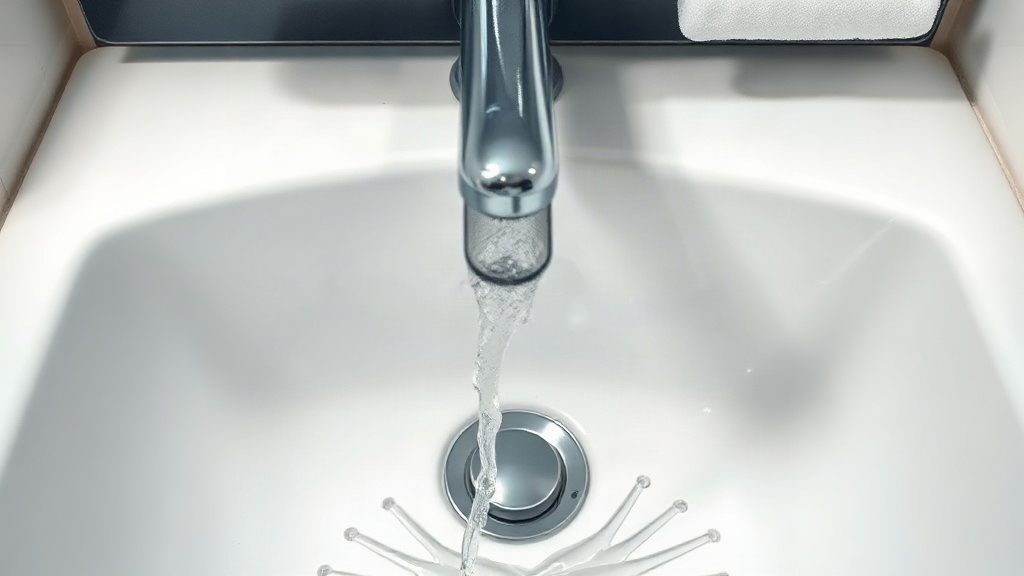
A slow drain is more than an annoyance. Standing water in the sink basin breeds bacteria and leaves a ring of grime. The smell that follows comes from decomposing soap, skin cells, and hair in the trap. Fixing the clog restores hygiene to a surface you use twice a day.
Speed also protects your wallet. A plumber call for a simple sink clog often costs more than a drain snake you keep for years. Clearing the hair early, before it compacts into a hard plug, keeps the job in the five-minute range.
Small clogs turn into big problems
Hair clogs grow in one direction. Each wash adds strands, and the mass compacts as water pushes down on it. A drain that drains in ten seconds this month might take a full minute next month. Left alone, water can back up into the overflow hole and seep around the drain flange.
Persistent backups can also stress pipe joints under the sink. Repeated pressure from plunging against a solid clog can loosen fittings. Catching the problem at the stopper stage avoids all of it.
The hidden cost of the wrong fix
Chemical drain cleaners are sold as an easy answer. Many contain caustic soda or sulfuric acid. They can corrode older metal pipes and damage plastic seals, and they rarely clear a full hair plug. Plumbers often charge more to work on a drain full of leftover chemical gel.
Mechanical removal, by contrast, has no chemical risk. A snake or hook lifts the hair out, and the pipe stays intact.
When the sink is a shared problem
In a shared bathroom, one person’s long hair can clog a drain used by everyone. A simple strainer costs little and catches most strands before they enter the pipe. Households with pets that get washed in the sink should check the stopper even more often.
Takeaway: treat a slow drain as an early warning, clear it before it compacts, and skip caustic cleaners.
Best practices
Start with the gentlest method and work up. Most sink clogs clear at step one or two, so keep a hook and a plunger nearby and reach for the snake only when needed.
Step-by-step removal
- Remove the stopper. Lift the pop-up plug out, or unscrew the pivot nut behind the drain and pull the rod free.
- Clear the visible hair. Pull the mat off the stopper with a paper towel. A bent paper clip or zip tie hook works for hair packed around the drain opening.
- Flush with hot water. Run hot tap water for 30 to 60 seconds to move loosened debris through the trap.
- Plunge if needed. Block the overflow hole with a wet cloth, then plunge firmly five to ten times. The cloth forces pressure down the drain instead of out the overflow.
- Snake the trap. Feed a hand snake or a drain zip tool into the drain and pull out the plug. Work slowly so you do not scratch the finish.
- Reassemble and test. Run hot water and check for leaks around the pivot nut and trap joints.
Prevention that actually works
A mesh strainer is the single most effective habit. It catches hair before it reaches the stopper and rinses clean in seconds. Empty it after each shave or hair wash, not once a week.
Once a month, pour a kettle of hot water down the drain to melt soap film. Some households follow with a half cup of baking soda and a cup of white vinegar, let it fizz for ten minutes, and flush with hot water. This loosens residue but does not dissolve hair, so pair it with regular strainer cleaning.
A plastic drain-cleaning hook costs little and stores in a drawer. A quick pull every two weeks keeps the stopper clear without a full cleaning session.
Takeaway: a strainer plus a monthly hot-water flush prevents most clogs before they start.
Common mistakes to avoid
Most failed drain fixes come from impatience or the wrong tool. These errors are easy to avoid once you know them.
Using chemical cleaners first
Pouring a caustic cleaner into standing water rarely works on hair. The chemical sits on top of the clog, and the hair plug stays intact. Worse, the residue can splash back when you later snake the drain. Wear gloves and eye protection if any chemical is already in the pipe.
Forcing the snake too hard
A hand snake should move with light pressure. Pushing hard can scratch a porcelain or acrylic finish or jam the cable in the trap. If the snake stops, pull back slightly and rotate rather than shove.
Ignoring the overflow and the pivot
Many people plunge with the overflow hole open. Water escapes there, so no pressure reaches the clog. The pivot assembly behind the drain also traps hair and needs cleaning when the stopper sticks.
Skipping the P-trap check
If water still drains slowly after snaking the drain opening, the clog sits in the P-trap. Place a bucket underneath, unscrew the slip nuts by hand, and clean the trap. Hand-tighten when you reinstall it, then run water to check for drips.
Pouring grease or coffee grounds down the sink
These belong in the trash, not the drain. They cool and harden, then catch hair and speed up clogging. A sink used for shaving should never double as a disposal for kitchen waste.
Combining two cleaners, or adding one after another, can create dangerous fumes. Pick one method and stick with it.
Takeaway: gentle pressure, the right tool, and attention to the overflow and trap solve most clogs cleanly.
FAQ
How much does it cost to clear a hair clog?
A hand snake or drain zip tool usually costs less than a single plumber visit. DIY removal with a hook and hot water costs nothing beyond the water bill. A professional call makes sense if the clog returns within days or affects multiple drains.
Can I use a plunger on a bathroom sink?
Yes, if you seal the overflow hole with a wet cloth first. Plunge five to ten times with firm strokes. Without that seal, air and water escape through the overflow and the clog barely moves.
How often should I clean the sink stopper?
Check it every two weeks in a busy bathroom, or weekly if someone in the home has long hair. A quick pull with a hook takes under a minute and prevents a larger buildup.
Does vinegar really dissolve hair?
No. Vinegar and baking soda loosen soap scum and residue, which helps water flow. Hair itself must be pulled out or snaked through. Use the mixture as maintenance, not as a cure.
When should I call a plumber?
Call one if snaking the drain and cleaning the trap do not restore flow, or if water backs up in other fixtures. Repeated clogs in the same spot can signal a deeper blockage in the drain line.
Conclusion
Clearing unclog bathroom sink hair comes down to simple mechanics: pull the stopper, hook out the mat, flush with hot water, and snake the trap if flow stays slow. Prevention is just as simple. A strainer catches most strands, a monthly hot-water flush melts soap film, and skipping caustic chemicals protects your pipes.
Start today. Pull the stopper in your bathroom sink and clear whatever is wrapped around it. Keep a drain hook in the drawer and a strainer in the drain, and slow sinks will become a rare problem instead of a monthly one.



Leave a Reply