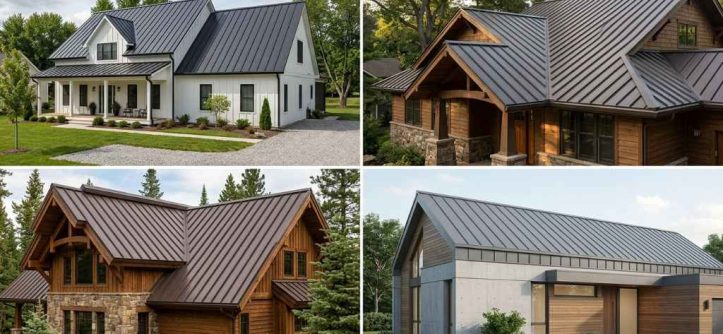
Standing seam metal roof types fall into four main styles: snap-lock, mechanical lock, batten seam, and double-lock. Snap-lock suits steeper, simple roofs, while mechanical lock handles low slopes and harsh weather. Batten and double-lock serve custom and premium builds. Pitch and climate should drive your choice, not price alone.
Most buyers focus only on metal and color, yet seam style changes performance just as much. Each profile locks differently and handles wind, snow, and rain in its own way. This guide compares all four so you can match one to your roof and your budget. A short checklist at the end ties everything together.
Snap-Lock Systems
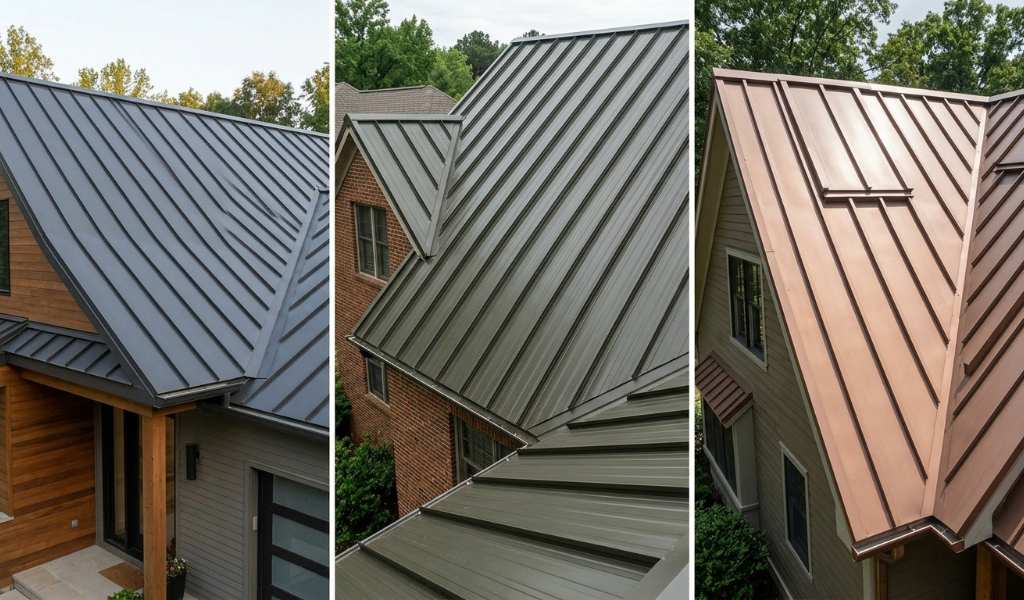
Snap-lock panels press together by hand or with a simple tool. No seaming machine travels to the job site. That keeps labor time and cost lower than other methods.
This style works best on roofs with at least a 3:12 pitch. Standard homes with simple gables suit it well. Many residential crews prefer it for speed and reliability.
However, snap-lock offers less protection on very low slopes. Heavy wind zones sometimes need a stronger seam. Ask your contractor whether your roof pitch meets the manufacturer’s minimum.
Mechanical Lock Systems
Mechanical lock panels need a seaming machine that folds the joint tightly. A crew runs the tool along each seam, one section at a time. The result is a noticeably stronger, more weathertight joint.
This style handles low slopes down to a quarter inch per foot in many systems. It also performs well in high wind and heavy rain. Commercial buildings often choose it for that reliability.
The extra labor raises the price compared with snap-lock. Still, the stronger seal justifies the cost in harsh climates. A standing seam metal roof in a mechanical lock profile often carries a longer wind warranty too.
Batten Seam Style
Batten seams use a raised cap strip that covers two panel edges. The look reads as bold and traditional, with a strong vertical shadow line. Barns, cabins, and historic homes often favor this profile.
Installation needs extra material for the batten strip itself. Labor time also rises slightly compared with snap-lock. Many owners find the price fair given the distinctive appearance.
This style pairs well with wood siding and rustic architecture. It suits homeowners who want texture and depth in the roofline. Ask to see a sample section before committing.
Double-Lock and Hand-Seamed Work
Double-lock seams fold the metal twice, creating an extremely tight, durable joint. Craftsmen often use this method with copper and zinc. It performs especially well on curved eaves or complex rooflines.
This approach demands real skill and patience from the installer. Few crews specialize in true hand-seaming work. Expect to pay a premium for that craftsmanship.
Homes with intricate architecture or historic character benefit most from this style. A trained crew can advise whether your design calls for it. Budget accordingly, since labor dominates the final cost here.
Matching Pitch and Weather to the Right Style
Pick your seam style based on slope and local weather, not looks alone. Use this quick comparison:
- Steep, simple roofs: Snap-lock offers speed and solid performance.
- Low-slope or storm-prone roofs: Mechanical lock provides stronger sealing.
- Traditional or rustic homes: Batten seam adds classic character.
- Custom or premium builds: Double-lock suits copper and zinc work.
Climate matters as much as architecture. Coastal and hurricane zones often call for mechanical lock. Dry, moderate climates give snap-lock room to shine.
Always confirm the manufacturer’s minimum pitch rating for your chosen style. Installing below that rating risks leaks and voided warranties. Your roofer should explain this rating clearly before work begins.
Budget Differences Between Styles
Seam style changes labor hours, and labor drives much of the price. Snap-lock usually costs the least because it needs no special machine. Mechanical lock, batten, and double-lock each add labor time.
A full standing seam metal roof cost breakdown shows how these differences add up across a whole project. Expect mechanical lock to run higher than snap-lock on the same roof. Batten and hand-seamed work often cost the most per square foot.
Balance your budget against your climate risk. Saving money with snap-lock in a hurricane zone can backfire later. Spend where the weather actually demands it.
Quick Decision Checklist
Walk through these questions before you choose a style:
- Pitch: Does your roof meet the minimum slope for snap-lock?
- Climate: Do you face frequent storms, high wind, or heavy snow?
- Style: Does your home call for a bold, traditional look?
- Metal: Are you using copper or zinc, which often need hand-seaming?
- Budget: Can you afford the labor premium for a stronger seam?
Two or more answers favoring strength usually point toward mechanical lock. A simple, dry-climate home often does fine with snap-lock. Let your contractor confirm the final call.
Ready to Choose Your Seam Style?
Match the profile to your pitch, climate, and architecture before you request quotes. Ask each contractor which style they recommend and why. A clear, specific answer signals real expertise.
For the complete picture of how the whole system fits together, read the complete homeowner guide. Choose a seam style built for your roof, not just your budget. The right profile pays off for decades.
Frequently Asked Questions
Which seam type is most common for homes?
Snap-lock is the most common choice for standard residential roofs.
Which type works best in high wind?
Mechanical lock systems generally resist wind and storm damage the best.
Is batten seam more expensive than snap-lock?
Yes, batten seam usually costs more due to extra material and labor.
Can I mix seam styles on one roof?
It is possible but rarely recommended, since consistency affects both looks and performance.
Does seam style affect the roof’s lifespan?
Not dramatically, though a stronger seam resists storm damage better over time.

Leave a Reply