
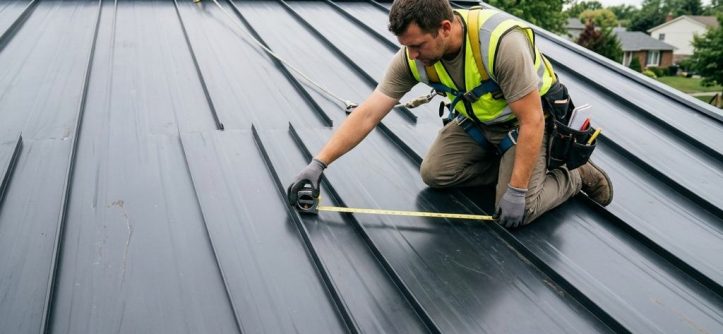
Typical standing seam metal roof dimensions: 12 to 18 inch coverage and 1 to 2 inch ribs. Panels run in lengths up to the full roof slope when formed on site. Steel gauge ranges from 24 to 26 for most homes. Accurate numbers prevent costly ordering mistakes.
Size affects fit, strength, and the look of every seam line. This guide covers each measurement in plain language. You will also learn how to measure your own roof before ordering. Use the quick reference list at the end as a handy checklist.
Typical Panel Widths
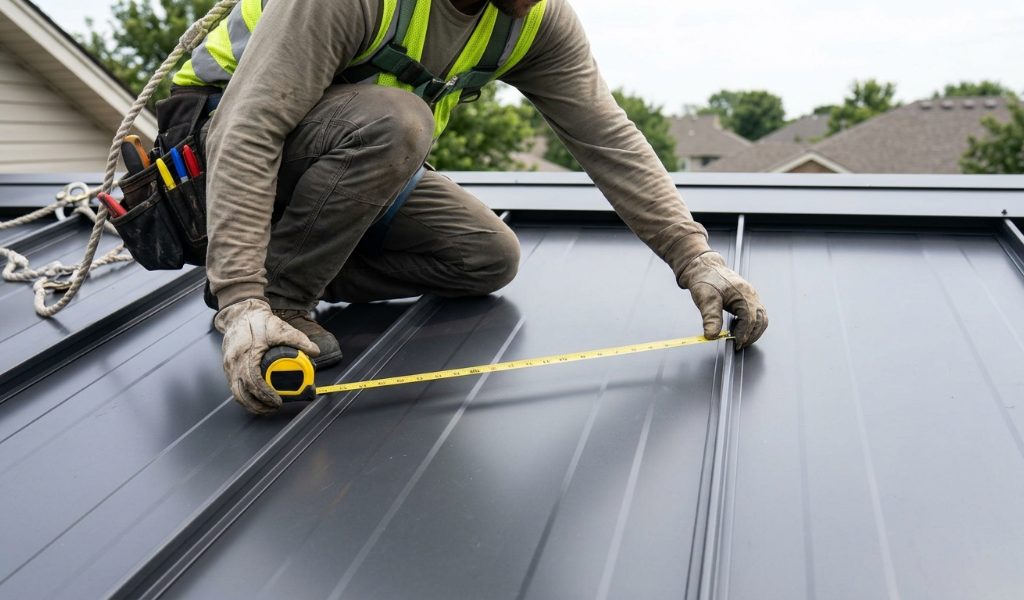
Coverage width is the roof area each panel actually covers. Most residential panels cover 12, 16, or 18 inches. Total panel width runs slightly wider because seams overlap.
- 12 inch coverage: Tight, traditional lines that suit smaller or complex roofs.
- 16 inch coverage: A popular balance of price, look, and strength.
- 18 inch coverage: Fewer seams and a bold, modern look.
Wider panels cover faster and cut labor. However, they show waves more readily. Narrow panels resist waviness but add more seams.
Seam Height and Rib Profile
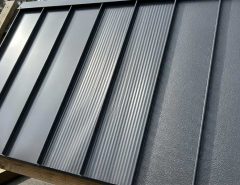
Seam height measures how far the rib rises above the pan. Common heights run 1, 1.5, and 2 inches. Taller seams create stronger water barriers and deeper shadow lines.
A standing seam metal roof relies on seam height for weather defense. One inch suits mild climates and steeper roofs. Heavy snow or low slopes favor taller seams, so check the manufacturer’s rating for your pitch.
Maximum Length and Shipping Limits
Roll-forming on site removes most length limits. Crews can form a panel as long as the roof run allows. Very long panels still need careful handling.
Shop-made panels face trucking limits. Many cap out around 20 to 30 feet for delivery. Longer roofs then need laps or splits.
Lengths include eave overhang and ridge allowance. Ask your supplier how much extra to add. Short panels cause expensive reorders.
Thickness and Gauge Dimensions
Thickness numbers vary by metal. Here are the usual figures:
- 24 gauge steel: About 0.024 inch thick.
- 26 gauge steel: About 0.018 inch thick.
- Aluminum: Commonly 0.032 or 0.040 inch.
Thicker metal costs more and resists dents better. Compare actual thickness, not only the gauge label. Material choice also affects these figures, so review panel materials before you order.
How to Measure Your Roof for Material
Step One: Find the Roof Area
Measure each roof plane’s width and slope length. Multiply them to get square footage. Add all planes together for the total.
A pitch factor helps when you work from a floor plan. Multiply the flat area by the factor for your slope:
- 4:12 pitch: 1.05.
- 6:12 pitch: 1.12.
- 8:12 pitch: 1.20.
- 12:12 pitch: 1.41.
Step Two: Count the Panels
Divide the eave length by the panel coverage width. A 30 foot eave with 16 inch panels needs 23 panels. Always round up to the next whole panel.
Step Three: Add Waste
Add about 5 percent waste for simple roofs and 10 percent for complex ones. Waste affects your budget, so confirm quantities in your quote. Extra material also covers trim and cutting errors.
Planning Around Seam Spacing
Seam spacing creates the visual rhythm of the roof. Wide panels give a calm, bold look. Narrow panels create a busier, more traditional pattern.
Good layout planning avoids thin slivers at gable edges. Installers can shift the starting line to balance each side. Ask to see the plan before work begins.
Quick Reference Checklist
Save this list for your first supplier meeting:
- Coverage width: 12, 16, or 18 inches.
- Seam height: 1, 1.5, or 2 inches.
- Steel thickness: 24 or 26 gauge.
- Waste allowance: 5 to 10 percent.
- Snap-lock minimum pitch: Usually 3:12.
- Panel length: Full run if roll-formed on site.
Ready to Measure Your Roof?
Sketch your roof, label each plane, and note the pitch. Bring that diagram to every supplier meeting. Then compare quantities line by line before you sign.
For the complete picture of how the system works, read the complete homeowner guide. Precise measurements save money and stress. Start with a tape, a notepad, and a steady ladder.
Frequently Asked Questions
What is the most common panel width?
Sixteen inches of coverage is a very common choice.
How tall are the seams?
Most seams stand 1 to 2 inches tall.
How long can a panel be?
Roll-formed panels can match the full roof run, while shop-made panels often stop near 20 to 30 feet.
How much extra material should I order?
Order about 5 to 10 percent extra, depending on roof complexity.
Does panel width affect strength?
Yes, narrower panels often resist waves better, while wider panels cover faster.

Leave a Reply