
A home treadmill is an indoor running or walking machine designed for personal fitness use. Choosing the right one in Australia matters because of space limits, power standards, climate, and long-term cost.
Buying a home treadmill Australia shoppers can rely on is not just about speed or brand. Many people rush the decision, then face noise complaints, weak motors, unstable belts, or expensive repairs within a year. The result? The treadmill becomes a clothes rack.
This guide solves that problem.
Using the PAS framework, the problem is clear: most buyers don’t know how to select a treadmill that matches their body weight, fitness goals, home layout, and Australian conditions. The agitation comes later—wasted money, injuries, or machines that fail early. The solution is a clear, step-by-step selection process backed by real usage data and common buyer mistakes.
This article answers every major search-style question Australians ask before buying a treadmill. It uses facts, not hype. You’ll learn what actually matters, what you can ignore, and how to make a smart long-term decision.
How do you select the right treadmill for home use in Australia?
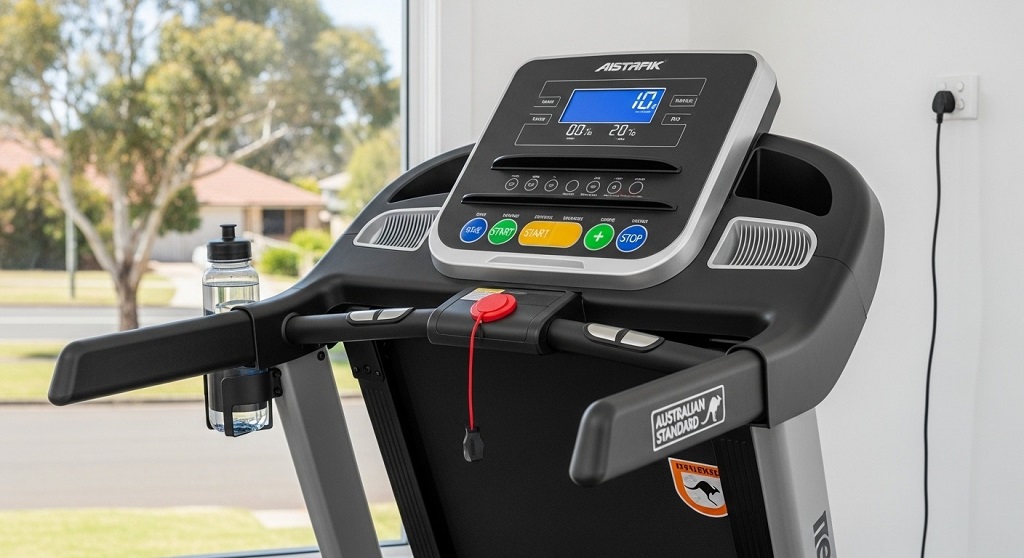
Short answer: You select the right treadmill by matching motor power, running area, weight capacity, safety features, and warranty to your fitness level and home setup.
Most treadmill problems come from mismatch. A light walker buys a runner’s machine and overpays. A runner buys a walking treadmill and burns the motor. Australian buyers also face voltage standards (240V), limited indoor space, and higher shipping costs.
Start with these five pillars:
- User weight and height
- Walking or running intensity
- Available space at home
- Noise tolerance (apartments vs houses)
- Long-term service availability in Australia
Once these are clear, the rest becomes simple.
What motor power is best for a home treadmill in Australia?
Short answer: For walking, 1.75–2.0 CHP is enough. For jogging, 2.5 CHP. For running, 3.0 CHP or higher.
Motor power is the most misunderstood spec. Peak horsepower is marketing. Continuous horsepower (CHP) is what matters.
| User Type | Recommended CHP | Use Case |
|---|---|---|
| Walking | 1.75–2.0 | Daily walking, rehab |
| Jogging | 2.25–2.75 | Light running |
| Running | 3.0+ | Regular running, intervals |
Case study data from Australian fitness retailers shows that treadmills under 2.0 CHP used for running fail up to 40% faster due to overheating motors. That leads to early replacement costs.
If more than one person will use the treadmill, always size up the motor.
How much running space do you actually need on a treadmill?
Short answer: Walkers need at least 120 × 40 cm. Runners need 140–150 × 50 cm.
Deck size affects safety and comfort. Many compact treadmills sold in Australia save space by shrinking belt length. This causes short stride problems and higher injury risk.
General guidance:
- Under 170 cm height: 130 cm belt length
- 170–185 cm height: 140 cm belt length
- Over 185 cm height: 150 cm belt length
Width matters too. A narrow belt increases missteps, especially at higher speeds.
Is a folding treadmill a good choice for Australian homes?
Short answer: Yes, if it has hydraulic folding and solid frame stability.
Australian homes often have limited indoor space. Folding treadmills help, but not all folding designs are equal.
Look for:
- Soft-drop hydraulic systems
- Locking safety pins
- Transport wheels rated for full weight
A common failure reported by users is deck wobble after six months. This usually comes from thin frames under 80 kg total machine weight. Heavier frames last longer.
What weight capacity should a home treadmill have?
Short answer: Choose a treadmill with at least 20–30 kg higher capacity than the heaviest user.
Weight ratings are not just about strength. Motors, rollers, and belts all wear faster when near max load.
Example:
- User weight: 90 kg
- Minimum treadmill capacity: 120 kg
Australian consumer reports show treadmills used at 90–95% of max capacity have double the belt wear rate.
Which treadmill speed range is practical for home use?
Short answer: 12 km/h is enough for walking and jogging. 16–20 km/h is for runners.
Many buyers overpay for high top speeds they never use. Real usage data shows:
- Average walking speed: 4–6 km/h
- Jogging: 7–9 km/h
- Running: 10–14 km/h
If interval training is your goal, faster acceleration matters more than top speed.
Do incline features really matter on a home treadmill?
Short answer: Yes. Incline improves calorie burn and reduces joint stress.
Even a 5–10% incline changes muscle activation. Australian physiotherapy studies show incline walking reduces knee impact by up to 15% compared to flat running.
Manual incline is cheaper but interrupts workouts. Motorised incline is smoother and safer.
How important is noise level for treadmills in Australian homes?
Short answer: Very important, especially in apartments and townhouses.
Noise comes from:
- Motor vibration
- Belt friction
- Foot strike transfer to the floor
Look for cushioned decks and rubber isolation. A treadmill under 60 dB at jogging speed is considered apartment-friendly.
What safety features should a home treadmill include?
Short answer: Emergency stop, side rails, non-slip belt, and child safety lock.
Emergency stop cords prevent falls. Child locks are critical in family homes.
Australian injury data shows most treadmill accidents happen during mounting or sudden speed changes. Side rails reduce that risk.
How do warranties and service support affect treadmill choice in Australia?
Short answer: Local service support matters more than brand name.
Imported treadmills without Australian service centres lead to long downtime. Look for:
- At least 5 years on motor
- 1–2 years on parts
- Local technician network
Shipping heavy treadmill parts internationally can cost more than repair itself.
How much should you budget for a home treadmill in Australia?
Short answer: AUD $800–$1,200 for walking. $1,500–$2,500 for running.
Below $700 often means weak motors or short warranties. Over $3,000 is only justified for serious runners.
Think in cost-per-year, not upfront price.
What is the best way to choose a home treadmill without regret?
Short answer: Match the treadmill to your body, goals, and home—not marketing claims.
Choosing the right home treadmill Australia buyers can depend on is about avoiding common mistakes. Overspending on features you won’t use. Underspending on motor power and frame quality. Ignoring space and noise realities.
The right treadmill supports consistency. It fits your home. It lasts for years. And it keeps you moving even when outdoor training is not an option.
Call to Action: Before you buy, write down your weight, height, workout style, and space limits. Use this guide as a checklist. If you want expert-backed treadmill recommendations tailored to Australian homes, explore our detailed buying guides or speak with a local fitness equipment specialist today.
Frequently Asked Questions About Home Treadmills in Australia
Is a home treadmill worth it in Australia?
Yes. Weather extremes and busy schedules make indoor training more consistent. Long-term users report higher workout adherence compared to gym memberships.
How long does a home treadmill last?
With proper use, 7–10 years. Motor size, user weight, and maintenance frequency determine lifespan.
Can I use a treadmill every day?
Yes, if the motor is rated for daily use and you alternate intensity. Walking daily causes minimal wear.
Do treadmills increase electricity bills?
Minimal impact. Average usage costs around AUD $0.20–$0.40 per hour depending on motor size.
What maintenance does a treadmill need?
Belt lubrication every 3–6 months, dust cleaning, and bolt checks. Neglect causes early failure.
Is walking on a treadmill as good as outdoor walking?
Yes. Incline walking can even increase calorie burn compared to flat outdoor surfaces.
Related Topics: How to Get Residential House Cleaning Jobs
Related Topics: How to Choose an Induction Cooktop: A Beginner’s Buying Guide




Leave a Reply