
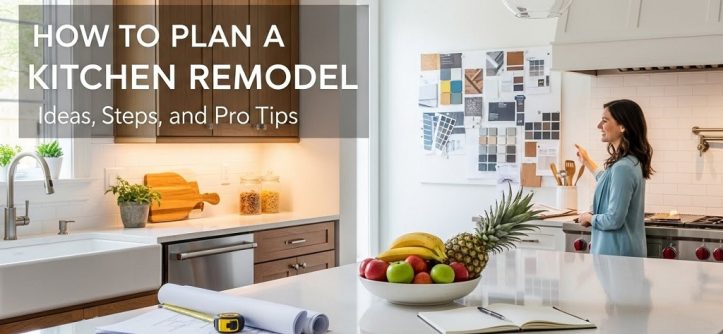
Planning a kitchen remodel is your chance to turn the busiest room in your home into a space that actually works for the way you cook, live, and entertain. A well-planned kitchen remodel saves money, avoids delays, and gives you a beautiful, functional space instead of an endless construction nightmare. This guide walks through clear steps, from first ideas to final styling, with tips for both a small kitchen remodel and a full kitchen remodel while keeping everything aligned with smart kitchen remodel planning and good SEO best practices.
Understand Your Kitchen Remodel Goals
Before touching a wall or calling a contractor, get crystal clear on why you want a kitchen remodel. Strong goals help you prioritize features and keep your budget realistic.
- Decide whether you are doing a small kitchen remodel (mainly cosmetic changes, minor layout tweaks) or a full kitchen remodel (new layout, plumbing, electrical, and major structural changes).
- List your must-haves (for example: more storage, better lighting, bigger island, modern appliances) and nice-to-haves (wine fridge, open shelves, pot filler, etc.).
- Think about how you use your kitchen: Do you cook daily, host parties, or just reheat and go? Your usage should drive your design choices and budget priorities.
Set a Realistic Budget and Timeline

No kitchen remodel plan is complete without a clear budget and realistic timeline. This is where many homeowners go wrong.
- Decide your total budget range, then break it into categories: cabinets, countertops, appliances, flooring, lighting, plumbing, labor, permits, and a 10–20% contingency for surprises.
- For a small kitchen remodel, you can often reuse the existing layout, which saves money on plumbing and electrical work and allows you to invest more in finishes and appliances.
- A full kitchen remodel typically takes longer and costs more because of structural work, inspections, and custom elements, so build buffer time into your schedule for delays, material lead times, and approvals.
Measure and Analyze Your Existing Space
Accurate measurements and a good understanding of your current layout are essential for successful kitchen remodel planning.
- Measure wall lengths, ceiling height, window and door positions, and existing appliance locations; note where gas, water, and electrical are.
- Identify pain points in your current kitchen: poor lighting, cramped work zones, not enough counter space, awkward corner cabinets, or traffic jams.
- Consider how you move in the space: the classic “work triangle” between sink, stove, and fridge still helps, but modern kitchens often use “work zones” (prep zone, cooking zone, cleaning zone, coffee/bar zone) to organize layout.
Choose the Right Layout
The right layout makes even a small kitchen remodel feel larger and more efficient. Each layout type has pros and cons.
Popular Kitchen Layout Options
- Galley kitchen: Great for small spaces; efficient and budget-friendly but can feel narrow if not planned with good lighting and storage.
- L-shaped kitchen: Uses two adjacent walls; works well in open-concept homes and allows for an optional island.
- U-shaped kitchen: Offers lots of storage and counter space; best for medium to large kitchens and cooks who love to spread out.
- Island or peninsula layout: Ideal for social kitchens, adding extra seating, storage, and prep space, especially in a full kitchen remodel.
Layout Tips for Small Kitchens
- Prioritize vertical storage: tall cabinets, wall-mounted shelves, and hanging rails clear counters and maximize space.
- Use slim or compact appliances where possible, like counter-depth fridges and 18″ dishwashers.
- Avoid blocking natural light; keep window areas open and use glass cabinet doors or open shelves to reduce visual bulk.
Plan Storage Like a Pro
Smart storage is often what separates an average kitchen remodel from a truly successful one.
Essential Storage Ideas
- Deep drawers instead of lower cabinets: easier access to pots, pans, and containers.
- Pull-out organizers for spices, trash/recycling, and cleaning supplies.
- Corner solutions like lazy Susans or pull-out corner systems to avoid wasted dead space.
Storage for Small Kitchen Remodels
- Use the full height of the wall with ceiling-height cabinets or top boxes for seasonal items.
- Add hooks, magnetic strips, and pegboards for utensils and knives to save drawer space.
- Consider a slim pull-out pantry between appliances or near the fridge to maximize narrow gaps.
Select Materials and Finishes
Your material choices affect not only the look of your kitchen remodel but also durability, maintenance, and budget.
Countertops, Cabinets, and Flooring
- Countertops: Quartz is popular due to low maintenance and durability; laminate works well for budget-friendly small kitchen remodels; natural stone offers unique beauty but may require more care.
- Cabinets: Stock cabinets are cost-effective and fast; semi-custom gives better sizing and style options; custom is ideal for tricky spaces or premium full kitchen remodel projects.
- Flooring: Choose water-resistant, durable flooring such as luxury vinyl plank, tile, or engineered wood, especially in busy family kitchens.
Backsplash, Hardware, and Paint
- A backsplash is a relatively low-cost way to add personality; subway tile is timeless, while patterned tile or stone slabs create a high-end focal point.
- Hardware (handles and knobs) works like “jewelry” for your cabinets; choose finishes that coordinate with faucets and lighting for a cohesive look.
- Light, neutral wall colors help small kitchens feel larger, while deeper tones can add drama to larger, well-lit spaces.
Get Lighting and Electrical Right
Lighting is a major factor in how your new kitchen feels and functions, yet it is often an afterthought. Integrate it early in your kitchen remodel planning.
Types of Kitchen Lighting
- Ambient lighting: Main ceiling fixtures or recessed lights that provide overall illumination.
- Task lighting: Under-cabinet lights, pendant lights over islands, and focused lights over sinks or cooktops.
- Accent lighting: Toe-kick lights, glass cabinet lighting, and wall sconces to add warmth and visual interest.
Electrical and Smart Features
- Plan sufficient outlets along the backsplash, at the island, and inside appliance garages for small appliances.
- Consider USB ports or charging drawers to keep devices organized.
- For a full kitchen remodel, think about adding smart switches, dimmers, and smart appliances to future-proof your space.
Decide What You’ll DIY vs. Hire Out
Not every part of a kitchen remodel needs a professional, but some tasks absolutely do. Choosing where to DIY and where to hire helps control costs and avoid expensive mistakes.
When to Consider DIY
- Painting walls or cabinets if you have patience and proper prep.
- Installing simple backsplash tile or hardware, especially in a small kitchen remodel.
- Demolition of non-structural elements if you understand what’s safe to remove and follow safety guidelines.
When to Hire Professionals
- Electrical and plumbing upgrades, especially if you’re changing layout or adding new appliances.
- Structural changes such as removing or modifying walls, beams, or windows.
- Custom cabinetry, stone countertop fabrication, and complex tile work in a full kitchen remodel.
Understand Permits and Inspections
Many homeowners overlook permits, but they are essential for a compliant kitchen remodel and future resale value.
- Check local regulations to know when permits are required (often for electrical, plumbing, structural changes, and sometimes even for new windows or gas lines).
- Plan inspection phases into your timeline so your project doesn’t stall waiting for approvals.
- Keep all permits and documentation; prospective buyers and home inspectors may ask for them later.
Step-by-Step Kitchen Remodel Sequence
Following a logical order reduces chaos and rework during your kitchen remodel.
Typical Kitchen Remodel Order
- Finalize design, materials, and budget.
- Apply for permits (if needed).
- Prepare temporary kitchen space and protect nearby rooms.
- Demolition of old cabinets, appliances, and finishes.
- Rough-in work: plumbing, electrical, HVAC, and any structural changes.
- Inspections for rough-in work as required.
- Install flooring (depending on type and installer’s recommendations).
- Install cabinets, then countertops, then backsplash.
- Install appliances, plumbing fixtures, and lighting.
- Final touch-ups: paint, caulking, hardware alignment, and styling.
Pro Tips for a Smooth Kitchen Remodel
Even with good kitchen remodel planning, details can make or break your experience.
Practical Pro-Level Advice
- Order materials early: Cabinets, appliances, and some tiles can have long lead times; secure them before demolition to avoid downtime.
- Keep a “punch list”: As the project progresses, note small issues (cabinet doors not aligned, paint touch-ups, missing trim) and address them at the end.
- Protect your budget: When choosing upgrades, ask whether each change will significantly improve daily function or long-term value, not just aesthetics.
Design and Function Tips
- Mix drawers and cabinets: Use drawers for heavy items and everyday cookware, and cabinets with pull-outs for pantry and cleaning supplies.
- Plan for trash and recycling: Add built-in pull-out bins in a cabinet near the sink to keep waste hidden and convenient.
- Don’t forget ventilation: A good range hood improves air quality and keeps grease and odors under control, especially in open-concept homes.
FAQs About Kitchen Remodel Planning
How long does a typical kitchen remodel take?
A typical small kitchen remodel that keeps the same layout can take around 3–6 weeks once construction begins, while a full kitchen remodel with layout changes, permits, and inspections often takes 8–12 weeks or more depending on complexity and contractor availability. Always add extra time for delays, backordered materials, and inspection schedules.
How much should I budget for a kitchen remodel?
Budget depends on location, size, and scope, but many homeowners allocate a percentage of their home’s value for a full kitchen remodel and less for a smaller refresh. Creating a detailed budget by category—cabinets, countertops, appliances, labor, and a 10–20% contingency—helps avoid surprises and lets you adjust finishes to match your financial comfort.
Is a small kitchen remodel worth it if I’m not changing the layout?
Yes, a small kitchen remodel can deliver excellent value by updating cabinets, countertops, backsplash, lighting, and appliances without the cost of moving plumbing or walls. New finishes, smarter storage, and better lighting can dramatically improve the look and function of your kitchen for a fraction of the price of a full kitchen remodel.
Do I need a designer or can I plan my kitchen remodel myself?
You can plan a simple kitchen remodel yourself, especially if you keep the current layout and focus on cosmetic updates, but a designer can help optimize storage, traffic flow, and aesthetics. For a full kitchen remodel, investing in professional design often prevents costly mistakes and ensures your space meets both building codes and your long-term needs.
What is the first step in planning a kitchen remodel?
The first step is defining your goals, budget, and scope: decide whether you need a small kitchen remodel or a full kitchen remodel and list exactly what you want to change and why. Once you know your priorities and budget, you can measure the space, explore layout options, and start gathering quotes and ideas that align with your kitchen remodel planning.
Related Topics: How Dot and Dot Twist Travel Pillow Helps With Neck Support
Related Topics: How to Replace a Front Door Without Replacing the Frame




Leave a Reply