
Key Takeaways
- A practical wardrobe starts with versatile basics in colors that mix easily.
- Fit matters more than price, so tailor what you own instead of rebuying.
- Buy fewer, better pieces rather than chasing every trend.
- Plan outfits around your real weekly schedule, not fantasy occasions.
- Regular edits keep your closet useful and stress-free.
Most people wear only a small fraction of what they own. The rest hangs in the closet, taking up space and creating decision fatigue every morning. A practical wardrobe fixes this problem at the root. Building a practical wardrobe is not about fashion rules or expensive brands. It is about matching your clothes to your actual life. Therefore, the process starts with honesty about where you go and what you do each week.
The rewards are real. A streamlined wardrobe saves money, cuts morning stress, and makes packing simpler. Additionally, every purchase you make starts working harder because it pairs with everything else you own.
This guide walks you through the process step by step. You will learn how to audit your closet, choose versatile basics, pick the right colors, and maintain what you buy. By the end, you will have a clear plan for a wardrobe that serves your daily life.
Step 1: Audit Your Real Lifestyle First
A wardrobe only works when it matches your real schedule. Therefore, start with a simple exercise. Write down how you actually spend a typical week in clothing terms.
Count your hours. How many go to office work, errands, exercise, social events, and lounging at home? Most people discover that 80 percent of their week needs just two or three clothing modes. Meanwhile, their closet serves eight different fantasies.
Here is what a typical audit reveals:
- Work: 40 to 50 hours of business-casual or casual clothing.
- Errands and social time: 15 to 20 hours of smart casual wear.
- Exercise: 5 to 10 hours of activewear.
- Home lounging: the rest in comfortable clothes.
Your climate shapes the audit too. A practical wardrobe in a hot climate needs breathable fabrics and lighter layers. Meanwhile, cold regions demand proper outerwear and insulating pieces. Therefore, build two seasonal rotations rather than one year-round pile.
Lifestyle changes deserve a note. A new job, a move, or a growing family changes what practical means. Consequently, review your wardrobe audit once a year. Clothes that no longer match your week become edit candidates, no matter how much you love them.
Finally, note your laundry habits honestly. If you wash clothes weekly, you need enough basics to fill seven days. Meanwhile, someone who launders twice a week can own fewer items. Therefore, your washing rhythm sets your true minimum count.
Step 2: Master the Capsule Wardrobe Concept
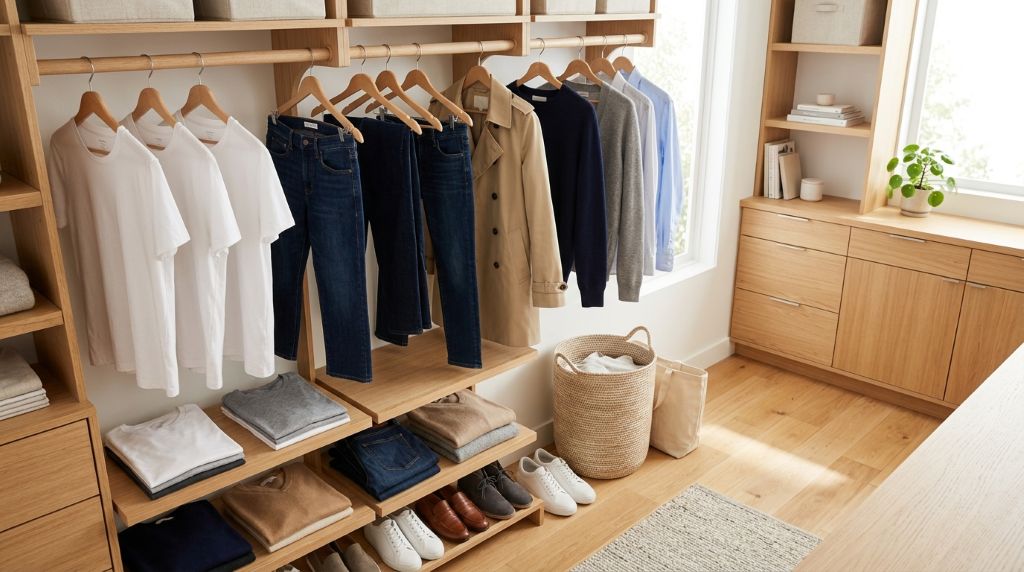
The capsule wardrobe is the backbone of practical dressing. A capsule is a small set of clothes that all work together. Each top pairs with each bottom, so a few pieces create many outfits.
The math explains the power. Ten tops and ten bottoms produce up to 100 combinations. However, this only works when the colors and styles coordinate. Therefore, a capsule is built on deliberate color choices, not random shopping.
Here is how a simple capsule structure looks:
- 5 to 7 tops in neutral and accent colors.
- 3 to 4 bottoms, including pants and a skirt or dress.
- 1 to 2 layers, like a cardigan or jacket.
- 1 pair of everyday shoes plus one dressier option.
- 2 to 3 accessories that add variety.
Start with one season at a time. Build a spring and summer capsule, then a fall and winter one. Additionally, let some pieces, like jeans and t-shirts, cross between both seasons. Consequently, your total count stays lower than it first appears.
The rule that keeps a capsule working is simple. Every new purchase must pair with at least three things you already own. If it matches only one outfit, it fails the test. Therefore, shop from a list rather than from impulse.
However, a capsule does not mean boring. Accessories, shoes, and one or two statement pieces keep outfits fresh. Meanwhile, the neutral base does the quiet work of making everything combine.
Step 3: Choose the Right Colors and Fabrics
Color strategy separates a useful wardrobe from a random one. Practical wardrobes lean on neutrals because neutrals pair with everything. Therefore, build your base from a small neutral palette.
Pick one or two main neutrals first. Navy, black, gray, beige, and olive all work well. Then add two or three accent colors that suit your skin tone. Consequently, every piece you own connects to the whole system.
Here is a sample working palette:
- Base neutrals: navy, gray, and white.
- Accents: one warm tone, like rust or camel.
- Accents: one cool tone, like sage or dusty blue.
Fabrics matter as much as colors. Practical wardrobes favor durable, easy-care materials. Cotton, merino wool, and quality denim survive frequent washing. Meanwhile, delicate fabrics that need special care wear rarely and frustrate often.
Check fabric content before buying. A cotton shirt with a little stretch holds shape better than pure cotton. Additionally, thicker knits resist pilling longer than thin ones. Therefore, feel the fabric and read the label every time.
Breathability affects daily comfort too. Natural fibers like cotton, linen, and wool breathe well in heat and cold. Synthetics dry faster and stretch more, which suits activewear. Consequently, match the fiber to the job you need it to do.
Finally, test colors against your life, not just the mirror. Light colors show stains and need more washing. Therefore, busy parents and pet owners often choose mid-tone colors that hide daily wear.
Step 4: The Essential Pieces to Buy First
Every practical wardrobe rests on a core set of essentials. These pieces do the daily work, so they deserve the most attention and budget. Buy these first, and the rest of your wardrobe fills in around them.
Start with the tops. Plain t-shirts in neutral colors form the base layer of casual life. Additionally, add two or three button-up shirts or blouses for smarter occasions. According to styling experts at Who What Wear, well-fitting basics anchor more outfits than any trendy piece.
Here is a practical core list:
- 5 plain t-shirts in neutral colors.
- 2 button-up shirts that work tucked or loose.
- 1 to 2 quality sweaters for layering.
- 2 pairs of jeans in different washes.
- 1 pair of tailored pants in a neutral color.
- 1 casual jacket and 1 dressier jacket.
- 1 little black dress or versatile suit set.
Shoes complete the core. One comfortable pair for daily walking, one pair for dressier events, and one pair for exercise covers most lives. Therefore, resist buying shoes that fit only one rare outfit.
Prioritize fit over brand every time. A cheap pair of pants tailored to your body beats an expensive pair that fits badly. Therefore, budget a little for alterations on key pieces like pants and jackets.
Quality deserves attention at the core level. These items survive dozens of washes per year. Consequently, stronger seams and better fabric pay for themselves in lifespan. Meanwhile, save money on trendy items you will replace quickly anyway.
Buy the core slowly if needed. One great pair of jeans this month and a tailored jacket next month builds a better wardrobe than one rushed shopping trip. Therefore, treat the core list as a year-long project, not a weekend task.
Step 5: Fit, Tailoring, and Smart Shopping
Fit is the single biggest factor in looking put together. Clothes that fit your actual body look intentional. Meanwhile, even expensive clothes look sloppy when they sag, pull, or pool at the ankles.
Learn your basic measurements. Know your shirt size, waist size, and preferred pant length. Then check these numbers when shopping online or in stores. Additionally, try clothes on whenever possible, because sizes vary widely between brands.
Tailoring transforms fit for little money. Taking in a shirt waist costs a few dollars at most alteration shops. Hemming pants costs similarly. Consequently, off-the-rack clothes can fit like custom ones.
Follow this smart shopping approach:
- Shop from a list, never from boredom.
- Try everything on before buying.
- Check fabric content and care labels.
- Test each piece against three things you own.
- Walk away from sale items that fail the fit test.
Sales deserve special discipline. A discounted item that fits badly still costs money sitting unworn. Therefore, apply the same tests to sale pieces as full-price ones. However, do buy quality basics on sale, because they never go out of style.
Secondhand shopping also deserves a look. Quality core pieces, like wool coats and leather shoes, appear in thrift stores at low prices. Therefore, check consignment shops before paying full price for durable items.
Finally, track what you wear. Some people note each outfit for a month. The results surprise most people, because unworn favorites reveal themselves quickly. Consequently, the next edit becomes obvious without guessing.
Step 6: Maintenance and Seasonal Edits
A practical wardrobe stays practical through maintenance. Clothes that look worn drag down every outfit they appear in. Therefore, care routines protect both your look and your budget.
Basic care extends garment life dramatically. Wash clothes less often than you think, because washing wears fabric faster than wearing does. Additionally, air out worn-but-clean clothes instead of laundering them after every use.
Follow these care habits:
- Wash cold and air dry when possible.
- Fold knits instead of hanging them.
- Use cedar or lavender to protect wool from moths.
- Treat stains immediately, before they set.
- Rotate shoes so each pair rests between wears.
Seasonal edits keep the closet honest. Twice a year, pull everything out and sort it into three piles. Keep, donate, and repair. The keep pile should match your current life and size.
Ask these edit questions:
- Did I wear this in the last year?
- Does it fit my body today?
- Does it pair with at least three kept items?
- Is it in good, wearable condition?
Items that fail go to donation promptly. Holding them for someday clutters the space your working wardrobe needs. Additionally, repair-pile items need a deadline, or the pile becomes permanent.
Therefore, schedule edits on your calendar, like spring and fall weekends. A wardrobe maintained twice a year never needs a dramatic purge. Consequently, the system runs itself with a few hours of effort per season.
Frequently Asked Questions
How many clothes do I actually need for everyday life?
Most people need 30 to 40 well-chosen pieces per season, including shoes. This covers a full week plus variety, assuming weekly laundry.
How much should a practical wardrobe cost?
Spend more on core items worn weekly, like jeans, jackets, and shoes. Save on trendy pieces and basics that wear out anyway. A practical wardrobe builds over a year, not one shopping trip.
Should I follow fashion trends at all?
Enjoy trends lightly through cheap accents like accessories. Meanwhile, keep your core wardrobe timeless. Therefore, trends come and go without costing you your base.
What colors are best for a practical wardrobe?
Choose one or two neutral base colors, like navy, gray, or black. Then add two or three accents. Consequently, every new piece pairs with most of what you own.
How do I stop buying clothes I never wear?
Shop only from a list, try everything on, and apply the three-pairing rule. Additionally, track what you actually wear for a month to spot the gap between habits and purchases.
Conclusion
A practical wardrobe is not about owning less for its own sake. It is about owning what your real life needs, in pieces that work together every single day. The system is straightforward. Audit your week, build around versatile neutrals, invest in a fitted core, and maintain what you own. Additionally, just as you would select bedroom furniture that balances style and functionality to create a comfortable and practical space, choose clothing that combines personal style with everyday usefulness. Edit twice a year so the wardrobe keeps pace with your life.
Therefore, start small this weekend. Pull ten items from your closet and test them against the three-pairing rule. Then note which pieces you wore this month and which you skipped. That quick audit reveals exactly what to keep, fix, and buy next. A calmer morning and a fuller wallet are waiting on the other side.




Leave a Reply